


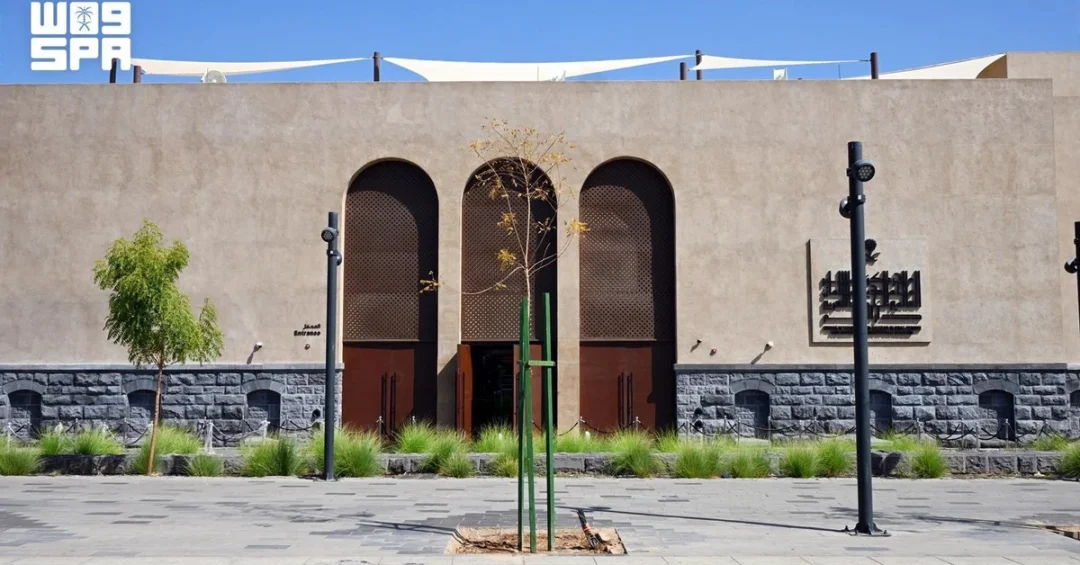
The Prince Mohammed bin Salman Global Center for Arabic Calligraphy in Madinah is advancing the art form through comprehensive educational programs, attracting over 6,000 registrants from Saudi Arabia and abroad. Established to preserve and promote Arabic calligraphy, the center blends traditional techniques with modern approaches, reinforcing its global cultural significance.
Context and Background
Arabic calligraphy, a UNESCO-recognized intangible cultural heritage, holds deep historical and artistic value in the Islamic world. The Prince Mohammed bin Salman Global Center for Arabic Calligraphy, inaugurated in Madinah, serves as a hub for nurturing talent and elevating the art form. By offering structured courses, the center ensures the transmission of this heritage to future generations while fostering international appreciation.
Key Details
The center’s programs include intensive training courses and a “weekly lesson” initiative, modeled after traditional teaching methods used by master calligraphers. Over 500 trainees from Gulf countries, Arab nations, and beyond have completed these programs. The curriculum emphasizes regular practice, precision, and discipline, enhancing participants’ technical and artistic proficiency in Arabic calligraphy.
Implications and Impact
The center’s global reach, with registrants from diverse countries, underscores Saudi Arabia’s leadership in preserving Islamic art and culture. By bridging tradition and modernity, the center not only safeguards Arabic calligraphy but also positions it as a dynamic, evolving art form. This initiative strengthens cultural diplomacy, fostering cross-cultural dialogue and mutual appreciation.
Vision 2030 Alignment
The Prince Mohammed bin Salman Global Center for Arabic Calligraphy aligns with Saudi Arabia’s Vision 2030 goals of promoting cultural heritage and fostering creativity. By investing in arts education, the Kingdom reinforces its commitment to becoming a global cultural hub, enhancing soft power, and preserving its rich artistic legacy for future generations.
20 Questions
Q1. What is the Prince Mohammed bin Salman Global Center for Arabic Calligraphy?
A1. The center is a Madinah-based institution dedicated to teaching and preserving Arabic calligraphy through structured educational programs, blending traditional and modern techniques.
Q2. Where is the center located?
A2. The center is situated in Madinah, Saudi Arabia, a city of profound historical and cultural significance in the Islamic world.
Q3. How many registrants has the center attracted?
A3. The center has drawn over 6,000 registrants from Saudi Arabia and internationally, reflecting widespread interest in Arabic calligraphy.
Q4. What programs does the center offer?
A4. Programs include intensive training courses and a “weekly lesson” initiative, focusing on skill development through regular practice and evaluation.
Q5. How many trainees have completed the programs?
A5. More than 500 Saudi and international trainees from Gulf and Arab countries have successfully completed the center’s programs.
Q6. What teaching methodology does the center use?
A6. The center employs traditional methods practiced by master calligraphers, emphasizing continuous practice and gradual skill improvement.
Q7. What are the benefits of the “weekly lesson” program?
A7. The program fosters consistent practice, enhances precision, and develops discipline, leading to higher artistic standards in Arabic calligraphy.
Q8. How does the center contribute to cultural preservation?
A8. By training new generations of calligraphers, the center ensures the survival and evolution of Arabic calligraphy as a living art form.
Q9. What is the international significance of the center?
A9. The center promotes Arabic calligraphy globally, attracting participants worldwide and strengthening Saudi Arabia’s cultural influence.
Q10. How does the center align with Saudi Arabia’s Vision 2030?
A10. It supports Vision 2030’s cultural goals by preserving heritage, fostering creativity, and positioning Saudi Arabia as a global cultural leader.
Q11. What role does Madinah play in the center’s mission?
A11. Madinah’s rich Islamic heritage provides an ideal setting for the center, enhancing its cultural and educational impact.
Q12. Who can enroll in the center’s programs?
A12. Programs are open to calligraphy enthusiasts from Saudi Arabia and abroad, welcoming learners of all skill levels.
Q13. What skills do participants gain?
A13. Trainees develop technical proficiency, aesthetic appreciation, and disciplined application of Arabic calligraphy principles.
Q14. How does the center blend tradition and modernity?
A14. It combines historical teaching methods with contemporary educational approaches, ensuring relevance in today’s artistic landscape.
Q15. What is the long-term goal of the center?
A15. The center aims to sustain Arabic calligraphy as a vibrant art form, enriching global cultural diversity.
Q16. How does the center support gifted artists?
A16. Through specialized training and mentorship, the center nurtures talented individuals, helping them achieve artistic excellence.
Q17. What makes Arabic calligraphy unique?
A17. Its intricate designs and deep spiritual significance in Islamic culture distinguish it as a revered art form worldwide.
Q18. How does the center promote cultural exchange?
A18. By attracting international participants, the center fosters cross-cultural dialogue and mutual appreciation of Arabic calligraphy.
Q19. What recognition has Arabic calligraphy received?
A19. UNESCO has recognized Arabic calligraphy as an intangible cultural heritage, highlighting its global importance.
Q20. How can one register for the center’s programs?
A20. Interested individuals can register through the center’s official channels, with details available on its website or via official announcements.
Reader Feedback
We value your thoughts. Please share your feedback on this article.
Your feedback helps us improve our coverage.