


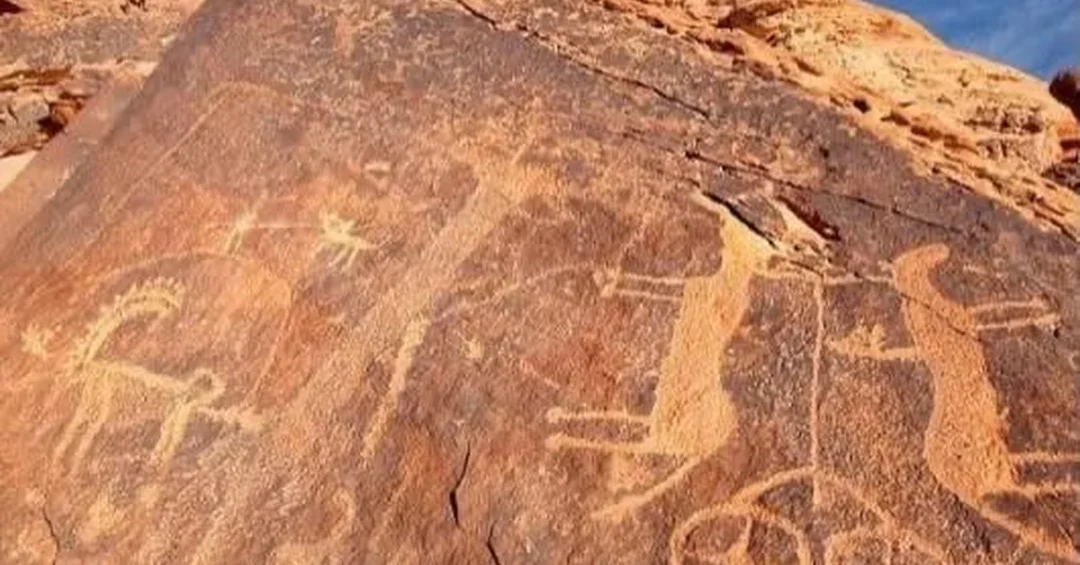
The King Salman bin Abdulaziz Royal Reserve has unveiled thousands of archaeological inscriptions and rock carvings, offering a glimpse into ancient civilizations that once thrived in the Arabian Peninsula. These inscriptions, including Thamudic and Nabataean writings, depict daily life, wildlife, and hunting scenes dating back to 8,000 BC, making the reserve a treasure trove of historical and cultural heritage.
Context and Background
The King Salman Royal Reserve, spanning the Northern Borders, Hail, Al-Jouf, and Tabuk regions, is one of the oldest sites of human settlement in the Arabian Peninsula. Its unique blend of natural landscapes, geographical diversity, and rare archaeological remains has earned it recognition as a UNESCO-listed site. The reserve’s inscriptions and carvings provide invaluable insights into the lives of ancient civilizations, showcasing their traditions, fauna, and interactions with the environment.
Key Details
The reserve houses over 400 archaeological sites, including the UNESCO-listed Jubbah, Kilwa, and Jabal Umm Sinman oasis. These sites feature ancient rock art, settlements, and relics that highlight the region’s rich history. The inscriptions depict animals such as ibexes, camels, and horses, reflecting the daily life and cultural practices of ancient communities.
Implications and Impact
The preservation of these inscriptions underscores Saudi Arabia’s commitment to safeguarding its cultural heritage. The findings contribute to global archaeological research, offering a deeper understanding of ancient civilizations in the Arabian Peninsula. Additionally, the reserve’s archaeological sites enhance its appeal as a tourist destination, aligning with Saudi Arabia’s Vision 2030 goals of promoting cultural tourism and economic diversification.
Vision 2030 Alignment
The discovery and preservation of archaeological inscriptions at the King Salman Royal Reserve align with Saudi Arabia’s Vision 2030 objectives of celebrating cultural heritage and fostering sustainable tourism. By showcasing its rich history, the Kingdom strengthens its global position as a custodian of ancient civilizations while driving economic growth through heritage tourism.
20 Questions
Q1. What types of inscriptions are found in the King Salman Royal Reserve?
A1. The reserve features Thamudic and Nabataean inscriptions, as well as ancient rock carvings depicting wildlife and hunting scenes.
Q2. How old are the inscriptions?
A2. Some inscriptions date back to 8,000 BC, showcasing the region’s ancient history.
Q3. Which animals are depicted in the carvings?
A3. The carvings depict ibexes, camels, and horses, reflecting the fauna of ancient times.
Q4. What is the significance of the Jubbah site?
A4. Jubbah is a UNESCO-listed site within the reserve, known for its Jabal Umm Sinman oasis and ancient rock inscriptions.
Q5. How many archaeological sites are documented in the reserve?
A5. Over 400 archaeological and historical sites have been documented across the reserve.
Q6. Which regions does the reserve span?
A6. The reserve spans Northern Borders, Hail, Al-Jouf, and Tabuk regions.
Q7. What is the Kilwa site known for?
A7. Kilwa preserves prehistoric archaeological remains and rock inscriptions.
Q8. How does the reserve contribute to archaeological research?
A8. The inscriptions provide insights into ancient civilizations, aiding global archaeological studies.
Q9. What is the geographical diversity of the reserve?
A9. The reserve features 14 distinct geographical formations, including mountains, plains, and plateaus.
Q10. How does the reserve align with Vision 2030?
A10. It supports Vision 2030 by promoting cultural tourism and preserving Saudi Arabia’s heritage.
Q11. What is the historical importance of the reserve?
A11. It is one of the oldest sites of human settlement in the Arabian Peninsula.
Q12. How do the inscriptions depict daily life?
A12. They illustrate hunting scenes, wildlife, and cultural practices of ancient communities.
Q13. What makes the reserve unique?
A13. Its blend of natural landscapes, archaeological sites, and cultural diversity sets it apart.
Q14. How does the reserve enhance tourism?
A14. Its archaeological sites attract visitors, boosting cultural tourism.
Q15. What is the role of UNESCO in the reserve?
A15. UNESCO has listed Jubbah as a World Heritage Site, recognizing its historical significance.
Q16. How does the reserve preserve its heritage?
A16. Through conservation efforts and documentation of archaeological sites.
Q17. What are the key features of Jabal Umm Sinman?
A17. It features ancient rock inscriptions and carvings, offering insights into early human life.
Q18. How do the inscriptions reflect ancient fauna?
A18. They depict animals like ibexes, camels, and horses, highlighting the region’s biodiversity.
Q19. What is the economic impact of the reserve?
A19. It drives economic growth by attracting tourists and researchers.
Q20. How does the reserve contribute to Saudi Arabia’s global image?
A20. By showcasing its rich cultural heritage, the Kingdom positions itself as a custodian of ancient civilizations.
Reader Feedback
We value your thoughts. Please share your feedback on this article.
Your feedback helps us improve our coverage.