


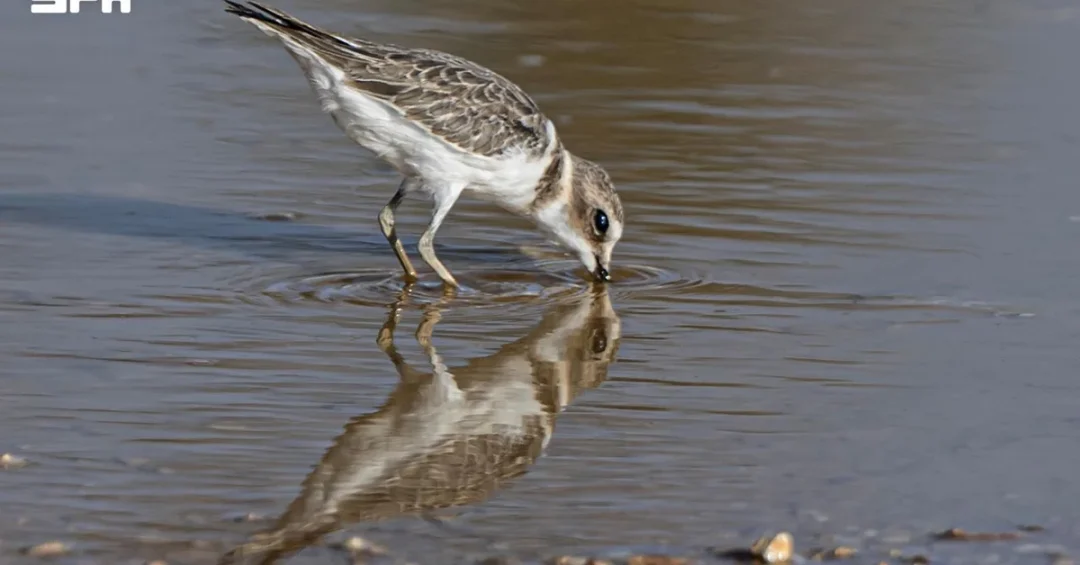
The greater sand plover (Charadrius leschenaultii) has been observed in multiple inland locations across Saudi Arabia’s Northern Borders Region, highlighting the area’s thriving biodiversity and healthy ecosystems. The sightings, confirmed by the Aman Environmental Association, underscore the region’s importance as a habitat for migratory birds and align with Saudi Arabia’s environmental conservation goals under the Saudi Green Initiative and Vision 2030.
Context and Background
The Northern Borders Region of Saudi Arabia has emerged as a critical habitat for migratory birds, thanks to its diverse ecosystems ranging from sandy deserts to mudflats. The recent sightings of the greater sand plover, a species known for its adaptability to sandy environments, further validate the region’s ecological significance. This development reflects Saudi Arabia’s broader commitment to environmental preservation and sustainable development.
Key Details
According to Nasser Al-Majlad, Chairman of the Aman Environmental Association, the greater sand plover is a common migratory species distinguished by its robust build, long legs, and thick bill. These physical traits enable the bird to thrive in sandy and coastal environments. Al-Majlad emphasized that the continued presence of migratory birds in the region indicates the stability and quality of its natural habitats.
Implications and Impact
The sightings of the greater sand plover and other migratory species in the Northern Borders Region have significant implications for both local and international conservation efforts. They highlight the region’s role as a vital stopover for migratory birds and underscore the importance of preserving these habitats. This aligns with global biodiversity goals and Saudi Arabia’s leadership in environmental sustainability.
Vision 2030 Alignment
The preservation of migratory bird habitats in the Northern Borders Region directly supports Saudi Arabia’s Vision 2030 objectives, particularly those related to environmental conservation and sustainable development. Initiatives like the Saudi Green Initiative aim to protect biodiversity and promote ecological balance, ensuring that Saudi Arabia remains a leader in environmental stewardship for years to come.
20 Questions
Q1. What is the greater sand plover?
A1. The greater sand plover (Charadrius leschenaultii) is a migratory bird species known for its robust build, long legs, and thick bill, which help it thrive in sandy and coastal environments.
Q2. Where was the greater sand plover spotted?
A2. The bird was observed at several inland sites across Saudi Arabia’s Northern Borders Region.
Q3. Who confirmed the sightings?
A3. The sightings were confirmed by the Aman Environmental Association, led by Chairman Nasser Al-Majlad.
Q4. What does the sighting indicate about the Northern Borders Region?
A4. The sighting reflects the region’s rich biodiversity and the health of its natural habitats.
Q5. Why is the greater sand plover significant?
A5. It is a common migratory species that serves as an indicator of healthy ecosystems.
Q6. What physical traits help the greater sand plover thrive?
A6. Its robust build, long legs, and thick bill enable it to move easily across sandy environments and mudflats.
Q7. How does this sighting align with Saudi Arabia’s environmental goals?
A7. It supports the objectives of the Saudi Green Initiative and Vision 2030 to conserve biodiversity and develop natural resources sustainably.
Q8. What is the Saudi Green Initiative?
A8. It is a national effort to combat climate change, reduce carbon emissions, and protect biodiversity in Saudi Arabia.
Q9. How does Vision 2030 relate to environmental conservation?
A9. Vision 2030 includes goals to promote sustainable development and preserve natural habitats as part of Saudi Arabia’s long-term economic and social transformation.
Q10. What role does the Northern Borders Region play in bird migration?
A10. The region serves as a vital stopover for migratory birds due to its diverse ecosystems.
Q11. What types of ecosystems are found in the Northern Borders Region?
A11. The region features sandy deserts, mudflats, and other habitats that support diverse wildlife.
Q12. How does the Aman Environmental Association contribute to conservation?
A12. The association works to promote environmental awareness and protect natural habitats in Saudi Arabia.
Q13. What other migratory birds are found in the region?
A13. While the article focuses on the greater sand plover, the region hosts numerous other migratory species.
Q14. Why are migratory birds important to ecosystems?
A14. They contribute to biodiversity, pollination, and the control of insect populations.
Q15. How can the public support conservation efforts?
A15. By promoting environmental awareness and participating in local conservation initiatives.
Q16. What are the long-term benefits of preserving bird habitats?
A16. Preserving habitats ensures ecological balance and supports Saudi Arabia’s sustainability goals.
Q17. How does Saudi Arabia’s climate affect migratory birds?
A17. The diverse climates across regions like the Northern Borders provide ideal stopover points for migratory birds.
Q18. What is the global significance of Saudi Arabia’s conservation efforts?
A18. These efforts contribute to international biodiversity goals and showcase Saudi Arabia’s leadership in environmental sustainability.
Q19. How does the greater sand plover adapt to its environment?
A19. Its physical traits, such as long legs and a thick bill, help it navigate sandy and coastal areas effectively.
Q20. What future steps are planned for conservation in the Northern Borders Region?
A20. Continued efforts will focus on habitat preservation, environmental education, and aligning with Vision 2030’s sustainability objectives.
Reader Feedback
We value your thoughts. Please share your feedback on this article.
Your feedback helps us improve our coverage.