


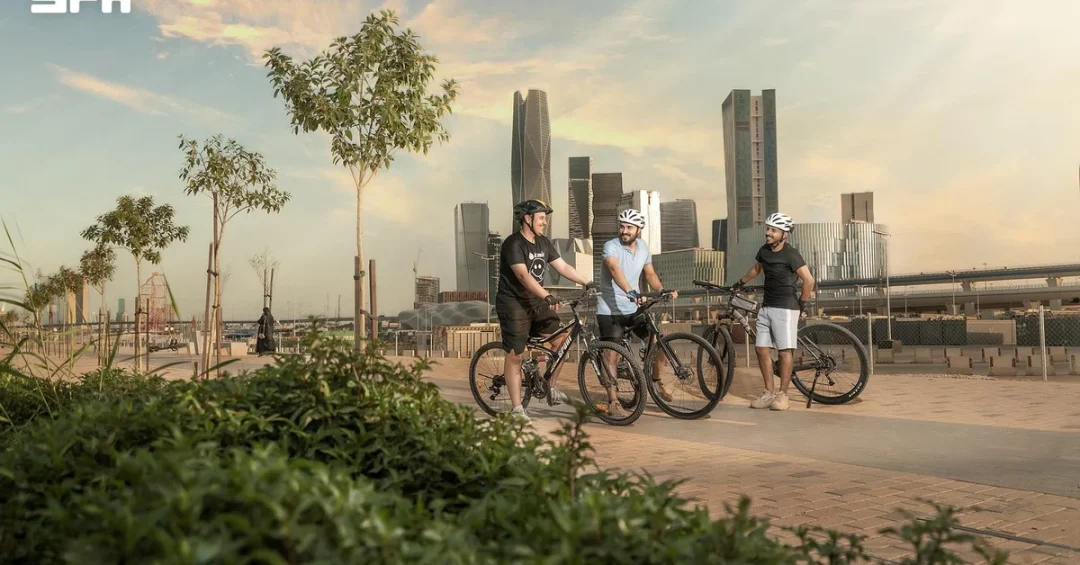
The Quality of Life Program, a cornerstone of Saudi Arabia’s Vision 2030, exceeded its economic impact targets in 2025, contributing SAR78 billion to the Kingdom’s GDP. The program, which focuses on enhancing the well-being of residents through transformative projects across various sectors, also generated SAR21.8 billion in non-government investments and supported the creation of 387,000 jobs.
Context and Background
Launched as part of Saudi Arabia’s Vision 2030, the Quality of Life Program aims to improve the standard of living for citizens and residents by fostering cultural, social, and economic development. The program encompasses initiatives in urban design, tourism, entertainment, culture, sports, and security, aligning with the Kingdom’s broader goals of diversification and sustainable growth.
Key Details
In 2025, the program achieved significant milestones across its sectors. The urban design sector saw progress through the Saudi Architecture Characters Map initiative, which introduced 19 architectural styles inspired by the Kingdom’s heritage. Citizen satisfaction with municipal services rose to 85%, surpassing the target of 74%. Additionally, the Furas initiative connected 49 government entities with the private sector, generating over SAR9 billion in returns from contracts.
The tourism sector experienced robust growth, with destinations welcoming over 32 million visitors during the Saudi Summer season, a 26% increase from the previous year. Saudi Arabia also ranked first globally in international tourism receipts growth during the first quarter of 2025.
In the entertainment sector, 954 licensed venues hosted 40 unique events, while the cultural sector celebrated the inauguration of the Prince Mohammed bin Salman Global Center for Arabic Calligraphy and the Red Sea Museum. The sports sector also saw a rise in physical activity participation, with 59.1% of adults engaging in regular exercise.
Implications and Impact
The program’s achievements have reinforced Saudi Arabia’s position as a global leader in urban development and quality of life enhancement. The launch of the global Quality of Life Index, adopted by the United Nations Human Settlements Programme (UN-Habitat), underscores the Kingdom’s influence in shaping international policies aimed at improving urban living standards.
Vision 2030 Alignment
The Quality of Life Program’s success in 2025 underscores its pivotal role in advancing Saudi Arabia’s Vision 2030 objectives. By fostering economic growth, enhancing cultural and social development, and promoting sustainable urban living, the program is helping to position the Kingdom as a global model for comprehensive and inclusive progress.
20 Questions
Q1. What is the Quality of Life Program?
A1. The Quality of Life Program is a key initiative under Saudi Arabia’s Vision 2030, aimed at enhancing the well-being of residents through transformative projects across various sectors.
Q2. What was the economic impact of the program in 2025?
A2. The program contributed SAR78 billion to Saudi Arabia’s GDP in 2025, exceeding its target of SAR77.1 billion.
Q3. How many jobs did the program support in 2025?
A3. The program supported the creation of 387,000 jobs by the end of 2025.
Q4. What is the Saudi Architecture Characters Map initiative?
A4. This initiative features 19 architectural styles inspired by Saudi Arabia’s geographical and cultural characteristics, aiming to strengthen the Kingdom’s architectural identity.
Q5. What was the citizen satisfaction rate with municipal services in 2025?
A5. Citizen satisfaction with municipal services rose to 85% in 2025, surpassing the target of 74%.
Q6. What is the Furas initiative?
A6. The Furas initiative connects government entities with the private sector, offering investment opportunities and generating returns from contracts.
Q7. How much did tourism expenditure grow in 2025?
A7. Tourism expenditure exceeded SAR53.2 billion in 2025, marking a 15% growth.
Q8. How did Saudi Arabia rank in international tourism receipts growth in 2025?
A8. Saudi Arabia ranked first globally in international tourism receipts growth during the first quarter of 2025.
Q9. What is the global Quality of Life Index?
A9. The global Quality of Life Index is an international platform launched by Saudi Arabia to support policymakers in improving urban living standards worldwide.
Q10. How many licensed venues are there in the entertainment sector?
A10. There are 954 licensed venues in the entertainment sector.
Q11. What cultural landmarks were inaugurated in 2025?
A11. The Prince Mohammed bin Salman Global Center for Arabic Calligraphy and the Red Sea Museum were inaugurated in 2025.
Q12. What is the proportion of adults engaging in physical activity in 2025?
A12. 59.1% of adults engaged in physical activity in 2025, exceeding the target of 55%.
Q13. What is the Unified Security Operations Center?
A13. The Unified Security Operations Center (911) integrates the operations of 28 control rooms into a unified system covering security, government, and service agencies.
Q14. How many national heritage sites are visitable in 2025?
A14. There are 232 visitable national heritage sites in 2025, meeting the program’s target.
Q15. What is the Sports for All platform?
A15. The Sports for All platform hosts over 9,000 sports groups and promotes healthy lifestyles through sports participation.
Q16. How many cultural event days were held in 2025?
A16. A total of 6,314 cultural event days were held in 2025, surpassing the target of 3,010 days.
Q17. What is the local content rate achieved by the program in 2025?
A17. The local content rate rose to 44% in 2025, surpassing the target of 37%.
Q18. How many investment opportunities did the Furas initiative offer?
A18. The Furas initiative offered over 19,000 investment opportunities.
Q19. What is the significance of the global Quality of Life Index?
A19. The global Quality of Life Index reinforces Saudi Arabia’s leadership in shaping international policies aimed at improving urban living standards.
Q20. How does the Quality of Life Program align with Vision 2030?
A20. The program aligns with Vision 2030 by fostering economic growth, enhancing cultural and social development, and promoting sustainable urban living.
Reader Feedback
We value your thoughts. Please share your feedback on this article.
Your feedback helps us improve our coverage.