


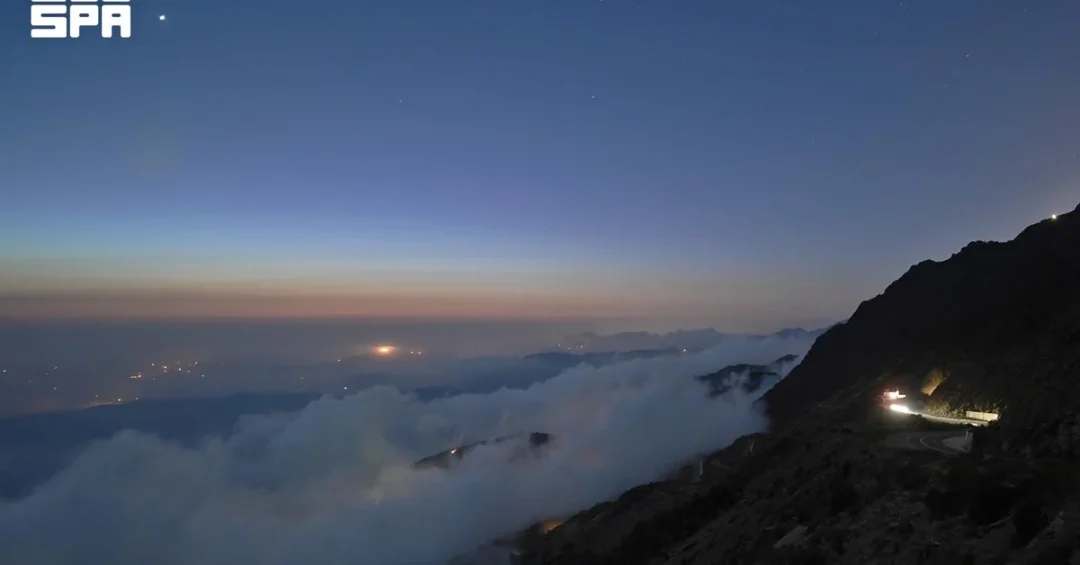
The Aseer Region in Saudi Arabia celebrated the rising of the Suhail star on July 29, 2026, marking the beginning of a 13-day season associated with milder weather, rainfall, and agricultural preparations. According to the Saudi Press Agency (SPA), this annual astronomical event is deeply rooted in the region’s traditions and plays a significant role in shaping local farming practices and tourism activities.
Context and Background
The Suhail star has long been a seasonal marker in the Aseer Region, signaling the transition to cooler temperatures and the onset of the rainy season. Researcher Abdullah Al Mousa explained that the Suhail season, lasting from July 29 to August 10, is a critical period for farmers as it coincides with the ripening of seasonal fruits and the growth of corn crops. This event is not tied to astrological beliefs but is instead based on centuries of observational knowledge and practical experience in tracking climate patterns.
Key Details
The Suhail star’s appearance on the southern horizon brings a noticeable change in weather, characterized by rainfall and fog. This transformation revitalizes the highlands, turning them greener and more fertile. The season also boosts tourism, as visitors flock to Aseer to enjoy its cooler climate and picturesque landscapes. Local communities prepare for increased agricultural activity, ensuring crops are nurtured during this pivotal growth phase.
Implications and Impact
The Suhail season has significant implications for Aseer’s economy and environment. Enhanced agricultural productivity supports local farmers, while the influx of tourists contributes to the region’s tourism sector. The event also highlights the importance of traditional knowledge in understanding and adapting to natural cycles. Internationally, Aseer’s recognition of the Suhail star underscores Saudi Arabia’s commitment to preserving cultural heritage while promoting sustainable practices.
Vision 2030 Alignment
The celebration of the Suhail star aligns with Saudi Arabia’s Vision 2030 goals of fostering economic diversification and environmental sustainability. By leveraging natural events like this, Aseer enhances its agricultural and tourism sectors, contributing to the Kingdom’s broader economic ambitions. This tradition also showcases Saudi Arabia’s rich cultural heritage, reinforcing its identity as a forward-thinking nation rooted in its history.
20 Questions
Q1. What is the Suhail star?
A1. The Suhail star is a bright star in the southern sky traditionally used as a seasonal marker in the Aseer Region of Saudi Arabia.
Q2. When does the Suhail season begin?
A2. The Suhail season begins on July 29 each year and lasts for 13 days.
Q3. What changes occur during the Suhail season?
A3. The season brings milder weather, rainfall, fog, and cooler temperatures to the Aseer Region.
Q4. Why is the Suhail season important for farmers?
A4. It marks a crucial period for agriculture, as seasonal fruits ripen and corn crops enter a key growth stage.
Q5. How does the Suhail season impact tourism?
A5. The cooler weather and greener landscapes attract tourists to Aseer, boosting the region’s tourism sector.
Q6. What role does traditional knowledge play in the Suhail season?
A6. Generations of observational knowledge have been used to track seasons and climate changes associated with the Suhail star.
Q7. Is the Suhail star linked to astrological beliefs?
A7. No, its significance is based on practical experience and climate patterns, not astrological beliefs.
Q8. How does the Suhail season benefit agriculture?
A8. Rainfall and cooler temperatures create optimal conditions for crop growth and ripening.
Q9. What crops are affected by the Suhail season?
A9. Seasonal fruits and corn crops are particularly impacted during this period.
Q10. How do local communities prepare for the Suhail season?
A10. Farmers prepare by ensuring their crops are ready for the growth phase, while tourism sectors anticipate increased visitors.
Q11. What is the duration of the Suhail season?
A11. The Suhail season lasts for 13 days, from July 29 to August 10.
Q12. How does the Suhail season align with Saudi Arabia’s Vision 2030?
A12. It supports economic diversification and environmental sustainability by boosting agriculture and tourism.
Q13. What is the historical significance of the Suhail star?
A13. It has been used for centuries as a marker for seasonal changes and agricultural planning.
Q14. How does the Suhail season affect Aseer’s landscapes?
A14. Rainfall revitalizes the highlands, turning them greener and more picturesque.
Q15. What is the economic impact of the Suhail season?
A15. It enhances agricultural productivity and tourism, benefiting the local economy.
Q16. How does the Suhail season reflect Saudi Arabia’s cultural heritage?
A16. It showcases traditional knowledge and practices passed down through generations.
Q17. What is the role of fog during the Suhail season?
A17. Fog contributes to cooler temperatures and increased moisture, aiding crop growth.
Q18. How does the Suhail season promote sustainability?
A18. By aligning agricultural practices with natural cycles, it encourages sustainable farming methods.
Q19. What makes the Suhail season unique to Aseer?
A19. Its distinct climatic changes and cultural significance set it apart as a notable natural period.
Q20. How does the Suhail season contribute to Saudi Arabia’s global image?
A20. It highlights the Kingdom’s commitment to preserving cultural heritage and promoting sustainable development.
Reader Feedback
We value your thoughts. Please share your feedback on this article.
Your feedback helps us improve our coverage.