


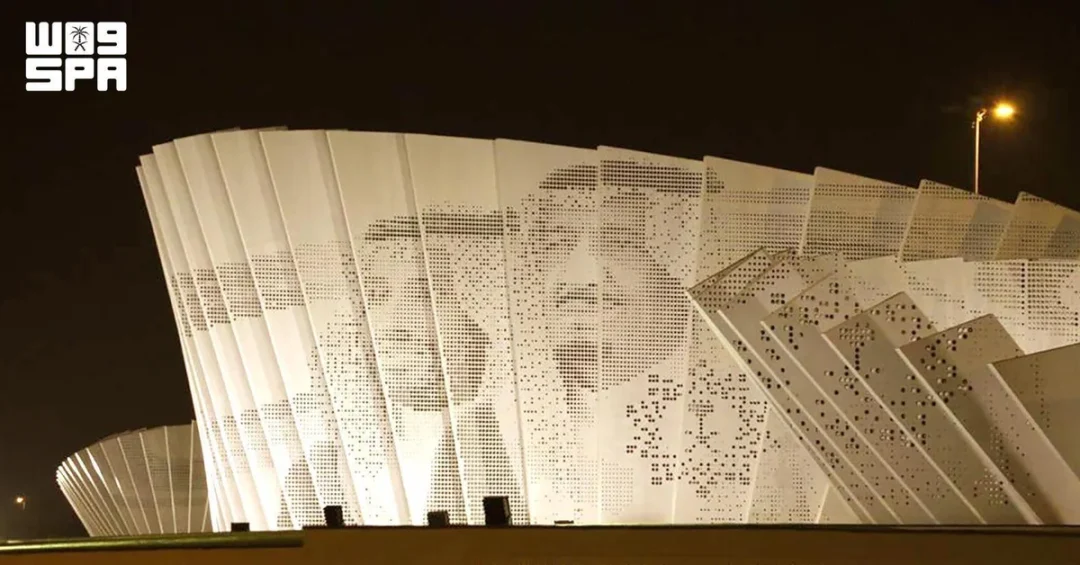
Al-Khobar Governorate in Saudi Arabia’s Eastern Region has unveiled a series of transformed squares and roundabouts that serve as cultural urban landmarks, blending traffic functionality with architectural designs inspired by the Kingdom’s rich history and national identity. These landmarks offer residents and visitors a unique visual experience that reflects Saudi Arabia’s development journey, emphasizing authenticity and creativity in urban design.
Context and Background
The project is part of Saudi Arabia’s broader efforts to enhance urban landscapes while preserving cultural heritage. Al-Khobar, a key city in the Eastern Region, has been at the forefront of this initiative, combining modern urban planning with historical and cultural elements. The transformation aligns with the Kingdom’s Vision 2030 goals of fostering sustainable development and promoting national pride.
Key Details
The unification-themed roundabout at Al-Khobar Corniche features a striking design engraved with the Islamic declaration of faith in gold paint, complemented by the Kingdom’s emblem of two crossed swords and a palm tree. Nearby, “Abeyah” Square pays tribute to the horse of King Abdulaziz bin Abdulrahman Al Saud, symbolizing the Kingdom’s unification journey. Another square combines national identity with cosmic inspiration, featuring a black ground adorned with constellations and stars.
The Vision 2030 Roundabout stands as a centerpiece, covering 11,300 square meters and showcasing a mosaic of Custodian of the Two Holy Mosques King Salman bin Abdulaziz Al Saud and Crown Prince Mohammed bin Salman bin Abdulaziz Al Saud. Additionally, an artistic roundabout documents key milestones in the Kingdom’s unification journey through 10 mural panels, each featuring the seal and signature of King Abdulaziz.
Implications and Impact
These landmarks not only enhance Al-Khobar’s urban appeal but also serve as cultural symbols that strengthen national identity. The project reflects Saudi Arabia’s commitment to sustainable urban development, as recognized by the International Institute for Management Development (IMD), which classified Al-Khobar as a smart city in 2025. This initiative is expected to boost tourism and foster a deeper connection between residents and their heritage.
Vision 2030 Alignment
The transformation of Al-Khobar’s squares and roundabouts aligns seamlessly with Saudi Arabia’s Vision 2030 objectives, which emphasize cultural preservation, sustainable urban development, and technological innovation. By integrating modern engineering with historical and cultural elements, the Kingdom continues to showcase its leadership in creating vibrant, future-ready cities that honor its past while embracing progress.
20 Questions
Q1. What is the purpose of transforming Al-Khobar’s squares and roundabouts?
A1. The transformation aims to blend traffic functionality with cultural and architectural designs that reflect Saudi Arabia’s history and national identity.
Q2. What inspired the design of the unification-themed roundabout?
A2. The design features the Islamic declaration of faith and the Kingdom’s emblem, symbolizing national pride and unity.
Q3. What does “Abeyah” Square commemorate?
A3. It commemorates the horse of King Abdulaziz bin Abdulrahman Al Saud, which accompanied him during the Kingdom’s unification journey.
Q4. How does the cosmic-themed square reflect Saudi culture?
A4. The square features a black ground adorned with constellations and stars, blending national identity with cosmic inspiration.
Q5. What is the significance of the Vision 2030 Roundabout?
A5. It showcases a mosaic of King Salman and Crown Prince Mohammed bin Salman, symbolizing leadership and progress under Vision 2030.
Q6. How large is the Vision 2030 Roundabout?
A6. It covers 11,300 square meters with a diameter of 120 meters.
Q7. Who implemented the Vision 2030 Roundabout project?
A7. Saudi engineers and supervisors implemented the project using modern technologies.
Q8. What does the unification-themed artistic roundabout depict?
A8. It depicts key milestones in the Kingdom’s unification journey through 10 mural panels featuring King Abdulaziz’s seal and signature.
Q9. How does this project align with Vision 2030?
A9. It aligns with Vision 2030 by promoting cultural preservation, sustainable urban development, and technological innovation.
Q10. What recognition has Al-Khobar received for urban development?
A10. Al-Khobar was classified as a smart city by the International Institute for Management Development (IMD) in 2025.
Q11. How do these landmarks benefit residents?
A11. They enhance urban appeal, foster national pride, and provide a deeper connection to Saudi heritage.
Q12. What role do green spaces play in these landmarks?
A12. Green spaces complement the designs, creating a harmonious blend of nature and cultural symbolism.
Q13. What is the cultural significance of the Kingdom’s emblem?
A13. The emblem of two crossed swords and a palm tree represents strength, unity, and prosperity.
Q14. How does the project impact tourism?
A14. It attracts visitors by offering unique cultural and architectural experiences.
Q15. What technologies were used in the project?
A15. Modern engineering and architectural technologies were employed to create the landmarks.
Q16. What is the historical importance of King Abdulaziz’s seal?
A16. It symbolizes his leadership and pivotal role in unifying the Kingdom.
Q17. How does the project reflect Saudi Arabia’s modernization?
A17. It combines traditional elements with modern design and technology, showcasing progress.
Q18. What is the global ranking of Al-Khobar as a smart city?
A18. Al-Khobar ranked 61st globally in the IMD’s Smart City Index in 2025.
Q19. How does the project contribute to sustainable development?
A19. It promotes sustainable urban planning and integrates green spaces into urban design.
Q20. What message does the Vision 2030 Roundabout convey?
A20. It conveys a message of leadership, progress, and commitment to achieving Vision 2030 goals.
Reader Feedback
We value your thoughts. Please share your feedback on this article.
Your feedback helps us improve our coverage.