


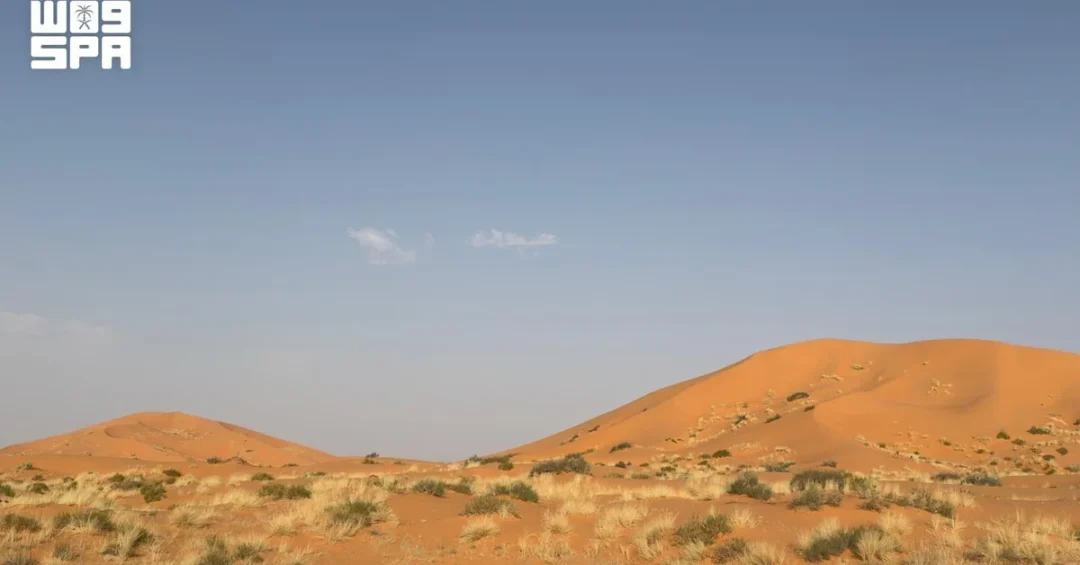
Al-Hanateen Dunes, located along the new Rafha-Hail road, have emerged as a prominent natural and historical landmark in the northern region of Saudi Arabia. These towering sand dunes, situated 160 kilometers southwest of Rafha Governorate, are celebrated for their stunning desert formations and their historical connection to ancient trade routes in the Arabian Peninsula.
Context and Background
The Al-Hanateen Dunes are not only a natural wonder but also a site of significant historical importance. According to Abdulrahman Al-Tuwaijri, a member of the Antiquities Association, the dunes lie alongside the western trade route, a historic path that traversed the Al-Nafud Desert. This route connected Turbah to Al-Hayaniyah, passing through Al-Huzul, Al-Majamir, and Al-Ruhaymi before reaching Kufa. Though arduous due to limited water sources, the route was favored by small caravans and travelers for its safety and distance from main pathways.
Key Details
The Al-Hanateen Dunes offer a unique blend of natural beauty and historical heritage, making them a prime destination for tourists and desert enthusiasts. The site’s towering dunes and picturesque landscapes provide visitors with unparalleled scenic views and opportunities for exploration. The dunes’ proximity to the new Rafha-Hail road enhances accessibility, further boosting their appeal as a tourism hotspot.
Implications and Impact
The recognition of Al-Hanateen Dunes as a natural and historical site underscores Saudi Arabia’s commitment to preserving its cultural heritage while promoting tourism. This development aligns with the Kingdom’s efforts to diversify its economy and showcase its rich history and natural beauty to the world. The dunes’ historical significance also highlights Saudi Arabia’s role as a crossroads of ancient trade and cultural exchange.
20 Questions
Q1. Where are the Al-Hanateen Dunes located?
A1. The Al-Hanateen Dunes are located along the new Rafha-Hail road, 160 kilometers southwest of Rafha Governorate.
Q2. What makes Al-Hanateen Dunes historically significant?
A2. The dunes lie alongside the western trade route, an ancient path used by caravans and travelers in the northern Arabian Peninsula.
Q3. Who highlighted the historical importance of Al-Hanateen Dunes?
A3. Abdulrahman Al-Tuwaijri, a member of the Antiquities Association, emphasized their historical significance.
Q4. What natural features characterize Al-Hanateen Dunes?
A4. The dunes are known for their towering sand formations and picturesque desert landscapes.
Q5. How does the new Rafha-Hail road benefit Al-Hanateen Dunes?
A5. The road enhances accessibility to the dunes, making them more attractive to tourists.
Q6. What was the western trade route known for?
A6. The route was known for its safety, as it was distant from main pathways, though it had fewer water sources.
Q7. Which regions did the western trade route connect?
A7. It connected Turbah to Al-Hayaniyah, passing through Al-Huzul, Al-Majamir, and Al-Ruhaymi before reaching Kufa.
Q8. Why was the western trade route preferred by travelers?
A8. Its distance from main routes made it safer, especially for small caravans.
Q9. What activities can visitors enjoy at Al-Hanateen Dunes?
A9. Visitors can enjoy exploration, scenic views, and desert activities.
Q10. How does Al-Hanateen Dunes contribute to Saudi tourism?
A10. The site attracts tourists and desert enthusiasts, boosting local tourism.
Q11. What is the historical relevance of Al-Hanateen Dunes to Saudi Arabia?
A11. The dunes reflect Saudi Arabia’s role as a hub for ancient trade and cultural exchange.
Q12. What is the significance of preserving Al-Hanateen Dunes?
A12. Preserving the dunes helps maintain Saudi Arabia’s cultural heritage and natural beauty.
Q13. How do Al-Hanateen Dunes align with Saudi Arabia’s economic goals?
A13. They support economic diversification by promoting tourism and showcasing natural landmarks.
Q14. What makes Al-Hanateen Dunes unique?
A14. Their combination of natural beauty and historical heritage sets them apart.
Q15. How can Al-Hanateen Dunes enhance international awareness of Saudi Arabia?
A15. They highlight Saudi Arabia’s rich history and stunning landscapes to global audiences.
Q16. What challenges did travelers face on the western trade route?
A16. Travelers faced limited water sources and arduous conditions.
Q17. What is the role of the Antiquities Association in preserving Al-Hanateen Dunes?
A17. The association helps document and promote the site’s historical significance.
Q18. How do Al-Hanateen Dunes reflect Saudi Arabia’s Vision 2030?
A18. They align with Vision 2030 by promoting tourism and preserving cultural heritage.
Q19. What is the future potential of Al-Hanateen Dunes as a tourism site?
A19. With improved accessibility and promotion, the dunes can become a major tourist attraction.
Q20. How do Al-Hanateen Dunes contribute to Saudi Arabia’s global image?
A20. They showcase Saudi Arabia as a destination rich in history and natural beauty.
Vision 2030 Alignment
The development and preservation of Al-Hanateen Dunes align seamlessly with Saudi Arabia’s Vision 2030, which aims to diversify the economy and promote tourism. By highlighting the Kingdom’s natural and historical treasures, sites like Al-Hanateen Dunes play a crucial role in attracting global visitors and reinforcing Saudi Arabia’s position as a leader in cultural preservation and sustainable tourism. This initiative underscores the Kingdom’s commitment to showcasing its heritage while fostering economic growth and international engagement.
Reader Feedback
We value your thoughts. Please share your feedback on this article.
Your feedback helps us improve our coverage.