


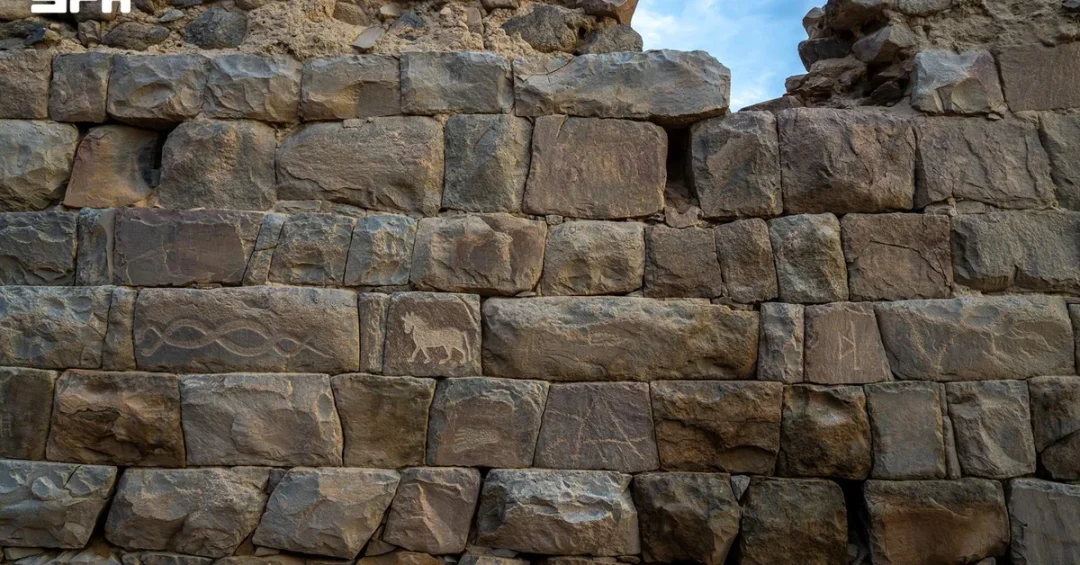
The Al-Ukhdood Archaeological Site in Najran Region welcomed 17,744 visitors during the first half of 2026, solidifying its status as one of Saudi Arabia’s premier heritage and tourism destinations. This remarkable milestone underscores the Kingdom’s commitment to preserving its rich historical legacy while promoting cultural tourism as part of its Vision 2030 goals.
Context and Background
Dating back to the mid-first century BC, Al-Ukhdood served as a vital commercial hub along the ancient Incense Route, which connected the Arabian Peninsula to the Mediterranean world. The site features a fortified city wall stretching approximately 235 meters in length and 220 meters in width, with building foundations constructed from meticulously carved stone blocks ranging from two to four meters in height.
Key Details
The Heritage Commission has enhanced the visitor experience by establishing the Al-Ukhdood Visitor Center, which spans 300 square meters indoors and 3,400 square meters of outdoor courtyards. The center offers interactive exhibitions, 3D models, dedicated children’s halls, educational programs, and guided field tours that highlight the site’s archaeological discoveries.
Implications and Impact
The growing interest in Al-Ukhdood reflects Saudi Arabia’s broader efforts to position itself as a global cultural and tourism hub. By preserving and showcasing its archaeological treasures, the Kingdom is fostering international appreciation for its historical significance and contributing to the diversification of its economy under Vision 2030.
Vision 2030 Alignment
The success of Al-Ukhdood as a heritage destination aligns with Saudi Arabia’s Vision 2030 objectives of promoting cultural tourism, preserving national heritage, and enhancing the quality of life for citizens and visitors alike. This achievement highlights the Kingdom’s dedication to leveraging its historical assets to build a sustainable and prosperous future.
20 Questions
Q1. Where is the Al-Ukhdood Archaeological Site located?
A1. The Al-Ukhdood Archaeological Site is located in the Najran Region of Saudi Arabia.
Q2. How many visitors did Al-Ukhdood attract in the first half of 2026?
A2. Al-Ukhdood attracted 17,744 visitors during the first half of 2026.
Q3. What historical period does Al-Ukhdood date back to?
A3. Al-Ukhdood dates back to the mid-first century BC.
Q4. What was Al-Ukhdood’s role in ancient times?
A4. Al-Ukhdood served as a major commercial center along the Incense Route.
Q5. What are the dimensions of the fortified city wall at Al-Ukhdood?
A5. The city wall extends approximately 235 meters in length and 220 meters in width.
Q6. What materials were used to construct the building foundations at Al-Ukhdood?
A6. The foundations were constructed from carved stone blocks ranging from two to four meters in height.
Q7. What is the Al-Ukhdood Visitor Center?
A7. The Al-Ukhdood Visitor Center is a facility established by the Heritage Commission to enhance the visitor experience.
Q8. How large is the Al-Ukhdood Visitor Center?
A8. The center spans 300 square meters indoors and 3,400 square meters of outdoor courtyards.
Q9. What features does the Al-Ukhdood Visitor Center offer?
A9. The center features interactive exhibitions, 3D models, children’s halls, educational programs, and field tours.
Q10. Who manages the Al-Ukhdood Archaeological Site?
A10. The site is managed by Saudi Arabia’s Heritage Commission.
Q11. What is the significance of the Incense Route?
A11. The Incense Route was an ancient trade network connecting the Arabian Peninsula to the Mediterranean world.
Q12. How does Al-Ukhdood contribute to Saudi Arabia’s tourism goals?
A12. Al-Ukhdood attracts visitors interested in cultural heritage, supporting Saudi Arabia’s Vision 2030 tourism objectives.
Q13. What is the purpose of the interactive exhibitions at the Visitor Center?
A13. The exhibitions educate visitors about the site’s history and archaeological discoveries.
Q14. Are there activities for children at Al-Ukhdood?
A14. Yes, the Visitor Center includes dedicated children’s halls and educational programs.
Q15. What is the Vision 2030 initiative?
A15. Vision 2030 is Saudi Arabia’s strategic framework to diversify its economy and develop key sectors like tourism.
Q16. How does Al-Ukhdood align with Vision 2030?
A16. Al-Ukhdood promotes cultural tourism and preserves national heritage, aligning with Vision 2030 goals.
Q17. What is the historical significance of Al-Ukhdood?
A17. Al-Ukhdood represents Saudi Arabia’s rich ancient history and its role in regional trade networks.
Q18. How does Al-Ukhdood enhance international appreciation of Saudi heritage?
A18. By showcasing its archaeological treasures, Al-Ukhdood fosters global understanding of Saudi Arabia’s cultural legacy.
Q19. What is the role of the Heritage Commission?
A19. The Heritage Commission preserves and promotes Saudi Arabia’s cultural and historical sites.
Q20. Why is Al-Ukhdood considered a premier heritage destination?
A20. Al-Ukhdood is renowned for its historical importance, well-preserved structures, and engaging Visitor Center.
Reader Feedback
We value your thoughts. Please share your feedback on this article.
Your feedback helps us improve our coverage.