


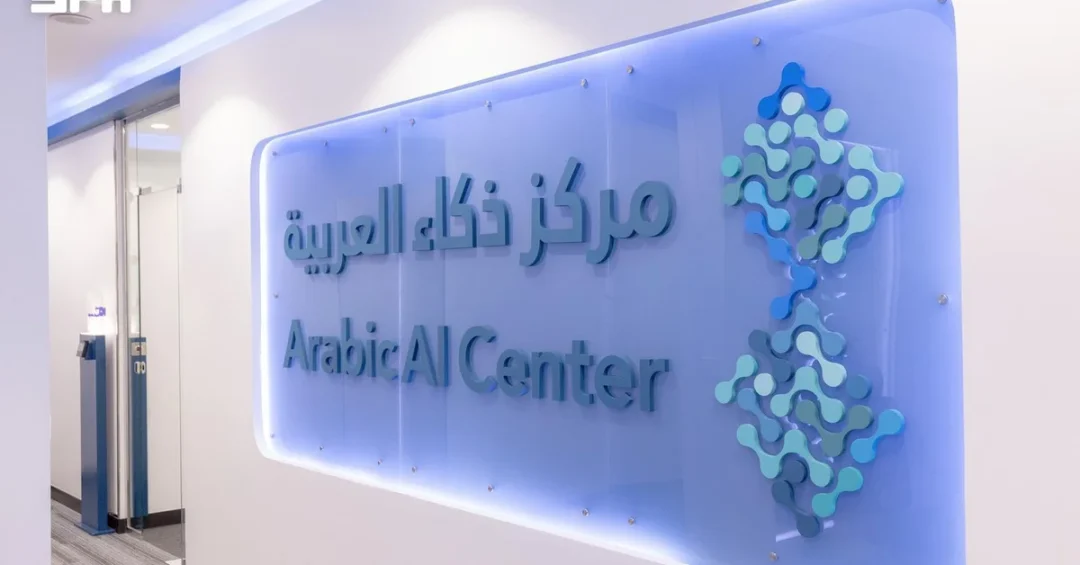
RIYADH — The Arabic language is solidifying its presence in the global digital landscape, driven by rapid technological advances and concerted efforts to harness modern technologies and artificial intelligence (AI) for Arabic-language content. These initiatives, reported by the Saudi Press Agency (SPA) on August 16, 2026, are expanding the use of Arabic and strengthening its influence in knowledge, education, and scientific research.
Context and Background
Arabic is one of the world’s most spoken languages, with over 400 million speakers and a rich cultural heritage. However, the global digital transformation has presented new challenges, requiring adaptation to technological changes and enhancing Arabic’s presence on digital platforms, smart applications, search engines, and AI tools. As the digital revolution accelerates, developing Arabic digital content has become a crucial pillar for sustaining the language in the contemporary era. National and regional initiatives have contributed to building linguistic databases, creating digital dictionaries, and improving natural language processing (NLP) technologies. These efforts enhance the ability of intelligent systems to understand, analyze, and process Arabic texts with greater accuracy.
Key Details
In Saudi Arabia, recent years have seen the launch of numerous initiatives and specialized projects to support Arabic in the digital environment. Notably, the King Salman Global Academy for Arabic Language (KSGAAL) is working to develop digital language resources, support computational linguistics projects, and strengthen Arabic’s presence in scientific and technological sectors. KSGAAL serves as a national and international reference dedicated to promoting Arabic, developing its initiatives, programs, and scientific, technological, and cultural projects. Its work is structured around four main areas: language planning and policy, computational linguistics, educational programs, and cultural programs. These areas support efforts to enhance and empower Arabic in the digital age. Additionally, KSGAAL aims to build national competencies in linguistic AI by facilitating the transfer of practical expertise and stimulating synergy among cultural institutions.
Implications and International Impact
The growing indicators in the AI field demonstrate the significant opportunities for Arabic to enhance its global stature as interest increases in developing models and applications tailored to its specific characteristics. This momentum is accompanied by specialized initiatives in computational linguistics and the creation of Arabic-language digital resources. In the digital era, Arabic faces not only the challenge of preserving its civilizational heritage but also the need to assert its presence within cutting-edge technologies and AI. This approach will consolidate its position as a language of knowledge and creativity, ensuring the continuity of its civilizational role in building the future and transmitting knowledge to future generations.
Vision 2030 Alignment
Saudi Arabia’s commitment to strengthening Arabic in the digital sphere aligns directly with Vision 2030, which emphasizes cultural preservation, technological innovation, and educational excellence. By investing in language technologies and AI, the Kingdom is positioning itself as a global leader in linguistic innovation and digital transformation, contributing to the realization of a vibrant society and a thriving economy. These efforts underscore Saudi Arabia’s dedication to fostering a dynamic knowledge-based society and enhancing its role as a cultural and technological hub, in line with the aspirations of Vision 2030.
20 Questions
Q1. What is the main focus of the Arabic language’s digital expansion?
A1. The main focus is increasing Arabic’s presence on digital platforms, smart applications, search engines, and AI tools to preserve its heritage and enhance its global influence.
Q2. How many speakers does Arabic have globally?
A2. Arabic has over 400 million speakers, making it one of the most spoken languages in the world.
Q3. What role does Saudi Arabia play in supporting Arabic digitally?
A3. Saudi Arabia, through KSGAAL, develops digital language resources, supports computational linguistics, and strengthens Arabic in scientific and technological fields.
Q4. What are the four main areas of KSGAAL’s work?
A4. The four main areas are language planning and policy, computational linguistics, educational programs, and cultural programs.
Q5. How does AI help Arabic?
A5. AI improves natural language processing, enabling intelligent systems to understand and analyze Arabic texts more accurately.
Q6. Why is digital content important for Arabic?
A6. Digital content helps sustain Arabic in the modern era, making it accessible on digital platforms and ensuring its relevance among younger generations.
Q7. What challenges does Arabic face digitally?
A7. Arabic faces challenges such as limited presence on some platforms, the need for better AI models, and preserving its heritage while adapting to digital transformation.
Q8. What is the role of computational linguistics in this context?
A8. Computational linguistics enhances AI’s ability to process Arabic, aiding in the creation of dictionaries and language databases.
Q9. How is KSGAAL contributing to AI expertise?
A9. KSGAAL builds national competencies in linguistic AI by transferring practical expertise and encouraging collaboration among cultural institutions.
Q10. What is the significance of Saudi Arabia’s initiatives for Vision 2030?
A10. These initiatives align with Vision 2030’s goals of cultural preservation, technological innovation, and educational excellence.
Q11. How does Arabic’s digital growth benefit education?
A11. It enhances Arabic content in educational resources, making learning more accessible and improving scientific research in Arabic.
Q12. Why is preserving Arabic’s heritage important?
A12. Preserving heritage ensures cultural continuity and enriches Arabic’s role as a language of knowledge and civilization.
Q13. What are the prospects for Arabic in AI?
A13. The prospects are promising, with increasing interest in developing models and applications tailored to Arabic’s unique features.
Q14. How does Saudi Arabia promote Arabic globally?
A14. Saudi Arabia, through KSGAAL, acts as an international reference, promoting Arabic’s use in technology, culture, and science.
Q15. What is natural language processing (NLP)?
A15. NLP is a branch of AI that helps computers understand and process human language, which is crucial for Arabic’s digital integration.
Q16. What is the role of digital dictionaries in this effort?
A16. Digital dictionaries provide accessible language resources, helping in education and research, and improving AI’s language capabilities.
Q17. How does Arabic’s digital presence impact the global cultural landscape?
A17. It enriches cultural exchange and ensures Arabic’s representation in global digital knowledge, fostering cross-cultural understanding.
Q18. What is the connection between Arabic and the digital revolution?
A18. The digital revolution offers opportunities for Arabic to expand its reach, but also requires adaptation to new technologies to remain relevant.
Q19. How can Arabic speakers benefit from these developments?
A19. Arabic speakers gain better access to technology, improved AI tools in Arabic, and increased opportunities for education and innovation.
Q20. What is the forward-looking vision for Arabic in the digital age?
A20. The vision is for Arabic to be a leading language in AI and digital content, preserving its heritage while embracing future innovations.
Reader Feedback
We value your thoughts. Please share your feedback on this article.
Your feedback helps us improve our coverage.