


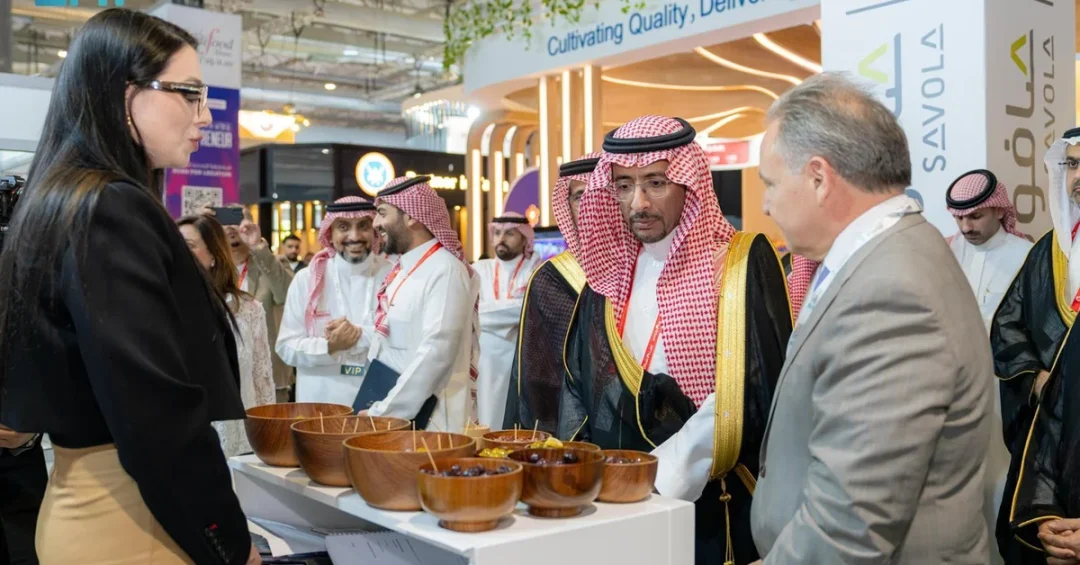
During the opening of the Saudi Food Show in Riyadh on May 21, 2024, Minister of Industry and Mineral Resources Bandar Al-Khorayef declared that Saudi Arabia’s ambitions in the food sector extend beyond mere production, aiming to provide comprehensive food security solutions. The minister’s remarks, reported by the Saudi Press Agency (SPA), underscore the Kingdom’s strategic approach to ensuring sustainable food availability under all circumstances, aligning with broader national strategies under Vision 2030.
Context and Background
The Saudi Food Show, held in strategic partnership with the Saudi Authority for Industrial Cities and Technology Zones (MODON) and KAOUN International, serves as a platform to showcase the Kingdom’s growing food industry and its commitment to innovation and investment. Al-Khorayef emphasized that the food industry is not just about production but is a fundamental pillar for achieving national food security, which is critical for economic stability and self-reliance.
The minister highlighted that a comprehensive food security strategy has been developed to meet the Kingdom’s needs under both normal and emergency conditions. This strategy is integrated with other key initiatives, including the National Industrial Strategy, the Saudization Strategy, and the Export Strategy, all of which are aligned with Saudi Vision 2030’s goals of diversifying the economy and enhancing resilience.
Key Details
Saudi Arabia has achieved significant milestones in food security, with 100% self-sufficiency in dairy products, 52% in fish, and 68% in poultry. The Kingdom boasts a robust industrial base with more than 1,500 food factories and investments exceeding SAR88 billion. In 2023, food exports reached approximately SAR20 billion, reflecting the sector’s growing contribution to the national economy.
Financial support has been instrumental in this growth. The Saudi Industrial Development Fund provided 23 loans worth SAR700 million to food factories, while the Saudi Export-Import Bank extended over SAR3 billion to bolster food exports during the same year. The Ministry of Industry and Mineral Resources, in collaboration with its partners, aims to improve industrial infrastructure, encourage investment, and provide financial and technical support to small and medium-sized enterprises in the food sector.
Implications
Saudi Arabia’s comprehensive approach to food security has regional and international implications. By strengthening its self-sufficiency and export capabilities, the Kingdom is positioning itself as a reliable food hub in the Middle East and beyond. The focus on increasing production capacities in meat, poultry, and seafood sectors opens new investment opportunities, which could attract foreign partnerships and enhance food supply chain resilience in the region.
Moreover, the integration of food security with industrial and export strategies demonstrates a holistic vision that goes beyond meeting domestic needs. It also supports global food security efforts, as Saudi Arabia’s increased production and exports can contribute to stabilizing regional food markets.
Vision 2030 Alignment
The Kingdom’s food security strategy is a cornerstone of its Vision 2030 ambitions, which aim to diversify the economy, reduce dependence on oil, and ensure sustainable development. By leveraging its industrial capabilities and strategic investments, Saudi Arabia is building a resilient food ecosystem that not only meets its own needs but also fosters economic growth and international cooperation. As the minister underscored, the Kingdom is committed to providing comprehensive solutions that ensure food security for the future, reinforcing its leadership role in the region and beyond.
20 Questions
Q1. Who made the statement about comprehensive food security?
A1. Bandar Al-Khorayef, Saudi Minister of Industry and Mineral Resources, made the statement while opening the Saudi Food Show in Riyadh. His remarks highlight the Kingdom’s broader vision for food security beyond just production.
Q2. What event took place on May 21, 2024, in Riyadh?
A2. The Saudi Food Show opened in Riyadh, with strategic partnerships with MODON and KAOUN International. The event focuses on showcasing food industry developments and supporting the Kingdom’s efforts to enhance food security.
Q3. What is the core message about food industry ambitions?
A3. The core message is that Saudi Arabia seeks to provide comprehensive food security solutions, not just produce food. This approach integrates various strategies and investments to ensure sustainable food availability.
Q4. What is self-sufficiency rate for dairy products in Saudi Arabia?
A4. Saudi Arabia has achieved 100% self-sufficiency in dairy products, according to Al-Khorayef, demonstrating the sector’s strength and ability to meet domestic demand confidently.
Q5. How much did Saudi food exports amount to in 2023?
A5. Food exports totaled approximately SAR20 billion in 2023. This reflects significant growth and the sector’s contribution to the national economy and international trade.
Q6. What role does the Saudi Industrial Development Fund play?
A6. The fund provided 23 loans worth SAR700 million to food factories, offering crucial financial support to enhance production capacity and infrastructure in the food sector.
Q7. How does the Kingdom support food exports?
A7. The Saudi Export-Import Bank extended over SAR3 billion in 2023 to support food exports, helping boost international market competitiveness and export capacity.
Q8. What is the National Industrial Strategy?
A8. The National Industrial Strategy is a key component of Vision 2030, aimed at developing the industrial sector. It includes food security goals, aligning with export and Saudization strategies.
Q9. What is the Saudization Strategy related to food?
A9. The Saudization Strategy focuses on increasing local workforce participation in industries, including food processing, supporting local content and economic development.
Q10. How many food factories exist in Saudi Arabia?
A10. There are more than 1,500 food factories, indicating a strong industrial base that contributes to meeting domestic needs and exports.
Q11. What is the investment figure in the food industry?
A11. Investments in the food industry exceed SAR88 billion, showcasing the scale of investment and the sector’s importance to the national economy.
Q12. What are the self-sufficiency rates for fish and poultry?
A12. Saudi Arabia has achieved 52% self-sufficiency in fish and 68% in poultry, indicating progress and areas for future growth to meet full demand.
Q13. What is the importance of emergency preparedness in food security?
A13. Emergency preparedness ensures the Kingdom’s needs are met under all conditions, reflecting strategic planning and resilience in food supply systems.
Q14. How does the ministry encourage investment in food industries?
A14. The ministry works to improve infrastructure, offer financial and technical support, and explore new opportunities in meat, poultry, and seafood sectors.
Q15. What partnerships are mentioned in the context of the food show?
A15. The show is held with strategic partnerships with MODON and KAOUN International, reflecting collaboration to bolster the food sector and international engagement.
Q16. How does food security align with Vision 2030?
A16. Food security aligns with Vision 2030 by diversifying the economy, enhancing self-sufficiency, and ensuring sustainable development through industrial growth.
Q17. What is the role of the Export Strategy?
A17. The Export Strategy aims to increase non-oil exports, including food products, enhancing international trade and economic diversification.
Q18. What does comprehensive food security solutions mean?
A18. It means providing end-to-end solutions, including production, supply chain, and emergency readiness, ensuring food availability in all scenarios.
Q19. What sectors will see increased production capacities?
A19. The ministry is increasing production capacities in meat, poultry, and seafood sectors to reduce imports and boost local output.
Q20. How does this benefit the region?
A20. Increased Saudi food production and exports can contribute to regional food stability, offering a reliable source and potential partnerships.
Reader Feedback
We value your thoughts. Please share your feedback on this article.
Your feedback helps us improve our coverage.