


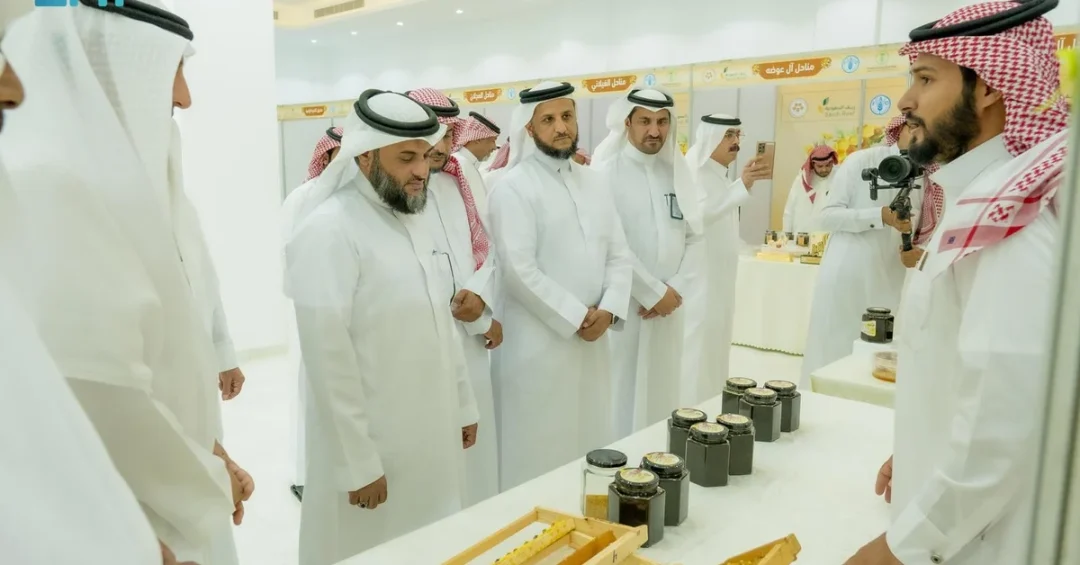
Saudi Arabia has achieved an annual honey production of 5,000 tons, the Ministry of Environment, Water and Agriculture announced on World Bee Day, May 20, 2024. The milestone reflects the success of the National Strategy for Agriculture, which has also increased the number of registered beekeepers to over 20,000, according to an official statement carried by the Saudi Press Agency.
Context and Background
The announcement underscores Saudi Arabia’s commitment to agricultural self-sufficiency and rural development under Vision 2030. Honey production forms a vital part of the Kingdom’s agricultural diversification efforts, supporting local economies and preserving traditional practices. The ministry’s data highlights a steady growth in the sector, driven by government-backed initiatives aimed at sustainability and food security.
Key Details
Assistant Undersecretary for Livestock and Fisheries at the ministry, Dr. Ali Al-Sheikhi, highlighted a comprehensive plan to boost beekeeping and honey production. Through the Sustainable Agricultural Rural Development Program “Reef Saudi”, the ministry has supported over 10,000 beekeepers nationwide, with total support reaching SAR140 million since the program’s inception. Additionally, 11 projects have been funded across various regions to enhance sector sustainability and empower Saudi beekeepers.
The ministry has also focused on localizing the beekeeping profession by training 1,500 Saudi beekeepers and offering specialized courses for over 800 individuals in areas such as honey production and marketing. These efforts aim to raise quality standards to international levels, strengthening the global reputation of Saudi honey.
Implications and Impact
The growth in honey production enhances Saudi Arabia’s agricultural exports and reduces reliance on imports, contributing to national food security. It also creates job opportunities in rural areas, supporting the goals of the Quality of Life Program. Internationally, the Kingdom’s emphasis on sustainable beekeeping aligns with global environmental objectives, including the preservation of bee populations essential for biodiversity.
Vision 2030 Alignment
This achievement reflects Saudi Arabia’s broader strategy to diversify its economy and invest in human capital and natural resources. By advancing agricultural innovation and rural development, the Kingdom is moving steadily toward the ambitious targets of Vision 2030, building a resilient and sustainable future for all citizens.
20 Questions
Q1. What did the Ministry announce on World Bee Day 2024?
A1. The Ministry of Environment, Water and Agriculture announced that Saudi Arabia’s annual honey production has reached 5,000 tons, a significant achievement for the sector.
Q2. When is World Bee Day celebrated?
A2. World Bee Day is celebrated annually on May 20 to raise awareness about the importance of bees and their conservation.
Q3. How many registered beekeepers are there in Saudi Arabia?
A3. The number of registered beekeepers has exceeded 20,000, thanks to the National Strategy for Agriculture.
Q4. What is the National Strategy for Agriculture?
A4. It is a government framework aimed at boosting agricultural productivity and sustainability, which includes support for beekeeping and honey production.
Q5. Who is Dr. Ali Al-Sheikhi?
A5. He is the Assistant Undersecretary for Livestock and Fisheries at the Ministry of Environment, Water and Agriculture.
Q6. What was Dr. Al-Sheikhi’s role in the announcement?
A6. He explained the ministry’s plan and initiatives to boost beekeeping and honey production in the Kingdom.
Q7. What is the “Reef Saudi” program?
A7. It is a sustainable agricultural rural development program that supports small farmers, including beekeepers, with funding and training.
Q8. How many beekeepers have been supported by the “Reef Saudi” program?
A8. Over 10,000 beekeepers have received support under the program across all regions of Saudi Arabia.
Q9. What is the total financial support for the honey sector?
A9. The total support has reached SAR140 million since the program’s launch.
Q10. How many projects have been funded in the honey sector?
A10. The ministry has supported 11 projects in various regions to contribute to the sector’s sustainability and development.
Q11. What is the aim of these projects?
A11. They aim to empower Saudi beekeepers, localize the profession, and ensure the sector’s long-term sustainability.
Q12. How many Saudi beekeepers have been trained?
A12. 1,500 Saudi beekeepers have been trained from all regions of the Kingdom.
Q13. What training is provided for beekeepers?
A13. Specialized training programs cover beekeeping, manufacturing honey products, and marketing, benefiting over 800 beekeepers.
Q14. Why is the success of the beekeeping sector significant?
A14. It demonstrates the dedication and excellence of Saudi beekeepers and enhances the country’s agricultural capabilities.
Q15. How does Saudi honey compare globally?
A15. Saudi honey holds a distinguished status worldwide due to adherence to international quality standards.
Q16. What role does honey production play in Vision 2030?
A16. It contributes to agricultural diversification, food security, and rural development, key pillars of Vision 2030.
Q17. How does the ministry support local bee species?
A17. The ministry has launched several initiatives to protect local bee species and increase production.
Q18. What are the environmental benefits of beekeeping in Saudi Arabia?
A18. Supporting beekeeping helps preserve bee populations, which are essential for pollination and biodiversity.
Q19. How does honey production create jobs?
A19. It creates employment opportunities in rural areas, particularly for young Saudis entering the agricultural sector.
Q20. What is the future outlook for Saudi honey production?
A20. With continued government support and training, the sector is expected to grow further, enhancing Saudi Arabia’s global standing.
Reader Feedback
We value your thoughts. Please share your feedback on this article.
Your feedback helps us improve our coverage.