


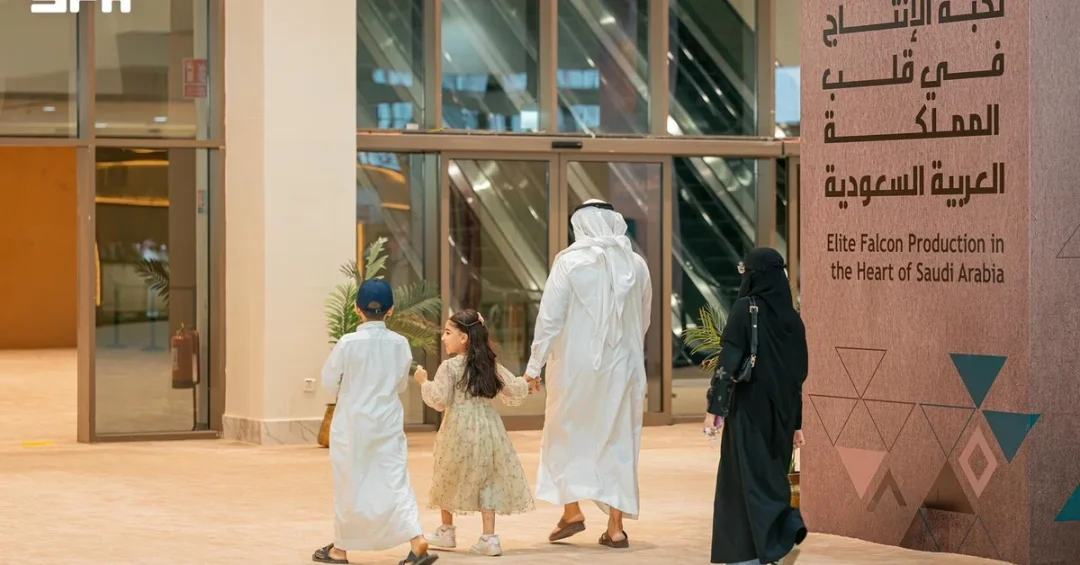
The International Falcon Breeders Auction 2026 witnessed a strong visitor turnout on its final Friday, drawing crowds to the National Center for Falcons in Malham, north of Riyadh. Visitors toured local and international farm pavilions, falcon display areas, and accompanying activities, with the event scheduled to conclude next Tuesday. The displayed falcons attracted considerable attention as attendees moved between pavilions to learn about different types, breeds, and production lines while interacting with participating breeders from inside and outside the Kingdom.
Context and Background
Held annually under the patronage of the Saudi Falcon Club, the International Falcon Breeders Auction serves as a premier platform for falconry enthusiasts, breeders, and experts worldwide. The event aligns with Saudi Arabia’s commitment to preserving the cultural heritage of falconry, a practice deeply rooted in the Kingdom’s history and recognized by UNESCO as an intangible cultural heritage. This year’s auction brings together local and international farms, offering a unique opportunity for knowledge exchange and showcasing the finest falcon breeds.
Key Details
Samer Dhiab Al-Sulaimi, a representative of one of the participating local farms, noted that the turnout reflected the strong interest in falcons and falconry. He highlighted that bringing local and international farms together at one venue allowed visitors to explore diverse levels of production and strengthened communication among breeders and falconers. Al-Sulaimi added that the auction provided local breeders with an opportunity to showcase their production alongside international farms before a specialized audience, emphasizing that the competitive environment has increased interest in breeds and production lines and encouraged visitors to follow the results achieved by falcons in competitions.
Several falcon enthusiasts among the visitors expressed appreciation for the diversity of participating falcons and farms, which offered a chance to see different types and breeds, learn directly from breeders’ experiences, and enjoy falconry-related activities. Children and young visitors also showed notable interest in viewing the falcons and learning more about the sport.
Implications and Impact
The auction’s strong turnout underscores the growing global interest in falconry and the Kingdom’s role as a hub for this traditional practice. By hosting international participants, Saudi Arabia fosters cross-cultural dialogue and positions itself as a leader in sustainable wildlife management and heritage preservation. The event also contributes to the local economy, attracting tourism and supporting related industries such as falcon care, equipment, and veterinary services. Moreover, it strengthens ties between local and international breeders, paving the way for future collaborations and genetic diversity in falcon breeding programs.
Vision 2030 Alignment
The International Falcon Breeders Auction aligns seamlessly with Saudi Arabia’s Vision 2030, which emphasizes the preservation of cultural identity while promoting economic diversification and global engagement. By investing in heritage events like this auction, the Kingdom enhances its tourism offerings and showcases its rich traditions to the world. The auction also supports the goal of building a vibrant society where cultural activities thrive, contributing to the quality of life for citizens and residents alike. As the event concludes next Tuesday, it leaves a lasting impression of Saudi Arabia’s dedication to safeguarding its heritage and fostering international cooperation in falconry.
20 Questions
Q1. What is the International Falcon Breeders Auction?
A1. It is an annual event organized by the Saudi Falcon Club that brings together local and international falcon breeders to showcase and trade falcons, promote falconry, and facilitate knowledge exchange among enthusiasts.
Q2. Where is the auction being held?
A2. The auction takes place at the headquarters of the National Center for Falcons in Malham, north of Riyadh, Saudi Arabia. This venue is dedicated to falcon conservation and breeding.
Q3. When did the auction conclude?
A3. The auction is scheduled to conclude next Tuesday, following a successful run that included a strong visitor turnout on the final Friday. The exact end date is August 25, 2026.
Q4. What activities were available at the auction?
A4. Visitors toured local and international farm pavilions, viewed falcon displays, interacted with breeders, and participated in falconry-related activities designed for all ages.
Q5. Who is Samer Dhiab Al-Sulaimi?
A5. He is a representative of a local farm participating in the auction. He commented on the event’s success, highlighting the benefits of bringing breeders together.
Q6. Why is falconry important in Saudi Arabia?
A6. Falconry is a deeply rooted cultural heritage in Saudi Arabia, recognized by UNESCO as intangible cultural heritage. It symbolizes the Kingdom’s traditions and connection to nature.
Q7. How does the auction support local breeders?
A7. The auction provides local breeders a platform to showcase their falcons to a specialized audience, compare with international farms, and enhance their breeding techniques through knowledge exchange.
Q8. What makes the auction unique?
A8. It brings together farms from inside and outside the Kingdom, offering diverse falcon breeds and production lines. This diversity attracts enthusiasts and fosters a competitive yet collaborative environment.
Q9. How did visitors react to the auction?
A9. Visitors expressed appreciation for the variety of falcons and farms, enjoyed learning from breeders, and showed enthusiasm for falconry activities. Children and young visitors were notably engaged.
Q10. What is the National Center for Falcons?
A10. It is a specialized facility in Malham dedicated to falcon breeding, conservation, and research. It serves as the venue for the auction and supports falconry heritage.
Q11. How does the auction contribute to tourism?
A11. By attracting international participants and visitors, the auction boosts cultural tourism in Riyadh and showcases Saudi Arabia’s heritage, aligning with Vision 2030’s tourism goals.
Q12. What breeds of falcons were displayed?
A12. The auction featured various falcon types and breeds from local and international farms, including different production lines, though specific breeds were not detailed in the report.
Q13. How does the auction promote knowledge exchange?
A13. It brings breeders and falconers together, allowing them to share experiences, discuss breeding techniques, and learn about falcon health and training, enhancing global falconry knowledge.
Q14. What role does the Saudi Falcon Club play?
A14. The Saudi Falcon Club organizes the auction, oversees falconry events, and promotes the preservation of falconry as a cultural practice in Saudi Arabia.
Q15. Is falconry practiced internationally?
A15. Yes, falconry is practiced in many countries, and the auction facilitates international participation, reflecting its global appeal and cross-cultural significance.
Q16. How does the auction align with Vision 2030?
A16. Vision 2030 emphasizes cultural preservation and economic diversification. The auction supports these goals by promoting heritage tourism, fostering global partnerships, and enhancing quality of life.
Q17. What impact does the auction have on falcon breeding?
A17. The competitive environment and exchange of ideas encourage breeders to improve their breeding lines, leading to healthier and more diverse falcon populations.
Q18. Are children involved in falconry activities?
A18. Yes, children showed notable interest in viewing falcons and learning about falconry. The auction offers educational opportunities to inspire the next generation.
Q19. What is the significance of the final Friday turnout?
A19. The strong turnout on the final Friday indicates sustained public interest and underscores the auction’s success in engaging the community and visitors.
Q20. How can interested individuals learn more about falconry?
A20. Individuals can visit events like the auction, consult with breeders, or access resources from the Saudi Falcon Club and the National Center for Falcons to deepen their understanding of falconry.
Reader Feedback
We value your thoughts. Please share your feedback on this article.
Your feedback helps us improve our coverage.