


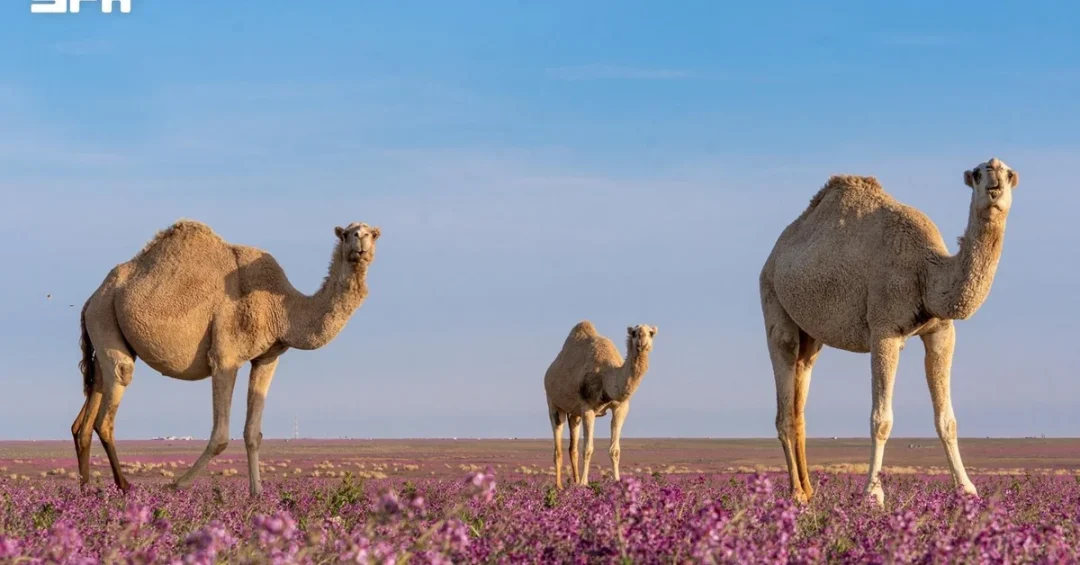
Photographers in Saudi Arabia’s Northern Borders Region are marking World Photography Day by showcasing the region’s rich heritage and natural beauty through their lenses, according to the Saudi Press Agency (SPA). The annual observance, held on August 19, highlights the vital role these visual storytellers play in documenting the area’s cultural and tourism assets, from ancient heritage sites to sweeping desert landscapes.
Context and Background
The Northern Borders Region, located in the northeastern part of the Kingdom, is known for its distinctive character, blending historical depth with natural splendor. Heritage villages and archaeological sites offer glimpses into traditional lifestyles, while vast desert expanses, native vegetation, camels, horses, and ancient wells provide a diverse canvas for photographers. This rich environment has long attracted both amateur and professional photographers seeking to capture the essence of Saudi Arabia’s northern frontier.
World Photography Day, celebrated globally on August 19, serves as a reminder of the power of photography to preserve culture and promote tourism. In the Northern Borders, photographers have become key contributors to the region’s cultural scene, using their craft to document not only landscapes but also daily life, social customs, and community events. Their work strengthens the region’s identity and supports broader national efforts to showcase Saudi heritage.
Key Details
According to the SPA report, rapid advances in photography technology have broadened interest in the art form and encouraged the emergence of young photographers. These emerging talents are not merely capturing scenes; they are producing visual content that highlights the region’s natural, heritage, and tourism assets. Their portfolios often feature the interplay of light and shadow on ancient mud-brick structures, the grace of Arabian horses, and the timeless appeal of desert oases.
The photographers also play a crucial role in documenting events and social traditions, ensuring that the region’s intangible heritage is preserved for future generations. By sharing their work on social media and through local exhibitions, they attract attention to the Northern Borders as a destination for cultural tourism, aligning with the Kingdom’s Vision 2030 goals of diversifying the economy and promoting Saudi culture globally.
Implications and Impact
The work of these photographers has significant implications for regional development and national branding. By showcasing the Northern Borders’ unique attributes, they help draw visitors and investors to an area that is often overlooked in favor of more prominent Saudi destinations. This increased visibility supports local businesses, from hospitality to handicrafts, and fosters a sense of pride among residents.
Internationally, the photographs serve as ambassadors for Saudi Arabia’s rich cultural tapestry, countering stereotypes and presenting a modern, welcoming nation that values its heritage. The emphasis on youth involvement also highlights the Kingdom’s investment in creative industries, a key pillar of Vision 2030’s economic transformation. As photography continues to evolve with digital tools and social media, the impact of these visual narratives is expected to grow, further integrating the Northern Borders into the national tourism landscape.
Vision 2030 Alignment
The celebration of World Photography Day in the Northern Borders underscores the Kingdom’s commitment to preserving and promoting its cultural heritage as a driver of sustainable development. Vision 2030 explicitly aims to boost tourism and cultural engagement, and the work of local photographers directly supports this by creating compelling content that attracts global audiences. As Saudi Arabia opens up to the world, the visual documentation of regions like the Northern Borders will play an increasingly vital role in showcasing the nation’s authentic character and forward-looking spirit, ensuring that its heritage is not only preserved but also celebrated on the international stage.
20 Questions
Q1. What is World Photography Day and when is it observed?
A1. World Photography Day is an annual celebration of the art, science, and history of photography, observed on August 19. It commemorates the invention of the daguerreotype in 1839 and encourages photographers worldwide to share their work and promote the craft.
Q2. Which region in Saudi Arabia is highlighted in the SPA report?
A2. The Northern Borders Region, located in the northeastern part of the Kingdom, is the focus of the report. It is known for its diverse landscapes, heritage sites, and traditional culture, making it a rich subject for photographers.
Q3. What are some natural features that photographers capture in the Northern Borders?
A3. Photographers capture desert expanses, native vegetation, camels, horses, and ancient wells. These elements provide visual diversity and reflect the region’s natural beauty and historical significance.
Q4. How do heritage sites contribute to the region’s appeal?
A4. Heritage sites and villages offer glimpses into the region’s history and traditional lifestyles. They serve as tangible links to the past, attracting photographers and tourists interested in cultural exploration.
Q5. What role do young photographers play in the region?
A5. Young photographers are emerging as key contributors, using modern technology to document the region’s assets. Their fresh perspectives and digital skills help promote the Northern Borders to wider audiences.
Q6. How has technology influenced photography in the region?
A6. Advances in photography technology, including high-resolution cameras and editing software, have made the art more accessible. This has encouraged more people to take up photography and produce high-quality visual content.
Q7. What types of events do photographers document?
A7. Photographers document local events, daily life, and social customs, including festivals, traditional gatherings, and community activities. This helps preserve intangible heritage and promotes cultural understanding.
Q8. How does photography support tourism in the Northern Borders?
A8. By showcasing the region’s natural and heritage assets, photographers create compelling images that attract visitors. Their work highlights the area’s unique character, encouraging tourism and economic growth.
Q9. What is the significance of World Photography Day for Saudi photographers?
A9. It provides an opportunity to celebrate their craft and share their work with a global audience. It also raises awareness of the importance of photography in preserving culture and promoting national identity.
Q10. How does the Northern Borders Region differ from other Saudi regions?
A10. The Northern Borders is characterized by its vast desert landscapes, historical villages, and traditional Bedouin culture. Its remote location and unspoiled nature offer a distinct experience compared to more urbanized regions.
Q11. What are some heritage assets found in the region?
A11. Heritage assets include ancient wells, old mud-brick houses, and archaeological sites. These elements reflect the region’s long history and traditional ways of life, making them valuable for cultural documentation.
Q12. How do photographers contribute to Vision 2030?
A12. Photographers support Vision 2030 by promoting cultural tourism and preserving heritage. Their visual content helps attract international visitors and showcases Saudi Arabia’s diverse attractions, aligning with the goal of economic diversification.
Q13. What is the role of the Saudi Press Agency in this context?
A13. The Saudi Press Agency (SPA) serves as the official source of news, reporting on cultural events and initiatives. Its coverage highlights the importance of photography and regional development, ensuring accurate information reaches the public.
Q14. How can photography help preserve traditional lifestyles?
A14. Photography documents traditional practices, clothing, and customs, creating a visual record for future generations. This helps maintain cultural identity and educates others about the region’s heritage.
Q15. What challenges do photographers face in the Northern Borders?
A15. Challenges include harsh weather conditions, remote locations, and limited infrastructure. However, these obstacles often inspire creative solutions and unique perspectives, enhancing the quality of their work.
Q16. How does social media impact the reach of these photographers?
A16. Social media platforms allow photographers to share their work instantly with a global audience. This increases visibility for the region and can attract tourists, investors, and cultural enthusiasts.
Q17. What is the significance of camels and horses in the region’s photography?
A17. Camels and horses are integral to the region’s heritage and daily life. Photographing them captures the essence of traditional Bedouin culture and adds dynamic elements to visual storytelling.
Q18. How does the region’s environment inspire photographers?
A18. The diverse landscapes, from deserts to oases, offer a variety of subjects and lighting conditions. This inspires photographers to experiment with composition and technique, resulting in striking images.
Q19. What future developments are expected in the region’s photography scene?
A19. With continued technological advancements and growing interest, the photography scene is likely to expand. More workshops, exhibitions, and collaborations may emerge, further establishing the region as a cultural hub.
Q20. How can the public support photographers in the Northern Borders?
A20. The public can support by following and sharing their work, attending exhibitions, and promoting the region as a travel destination. This recognition encourages photographers and helps sustain their contributions to cultural preservation.
Reader Feedback
We value your thoughts. Please share your feedback on this article.
Your feedback helps us improve our coverage.