


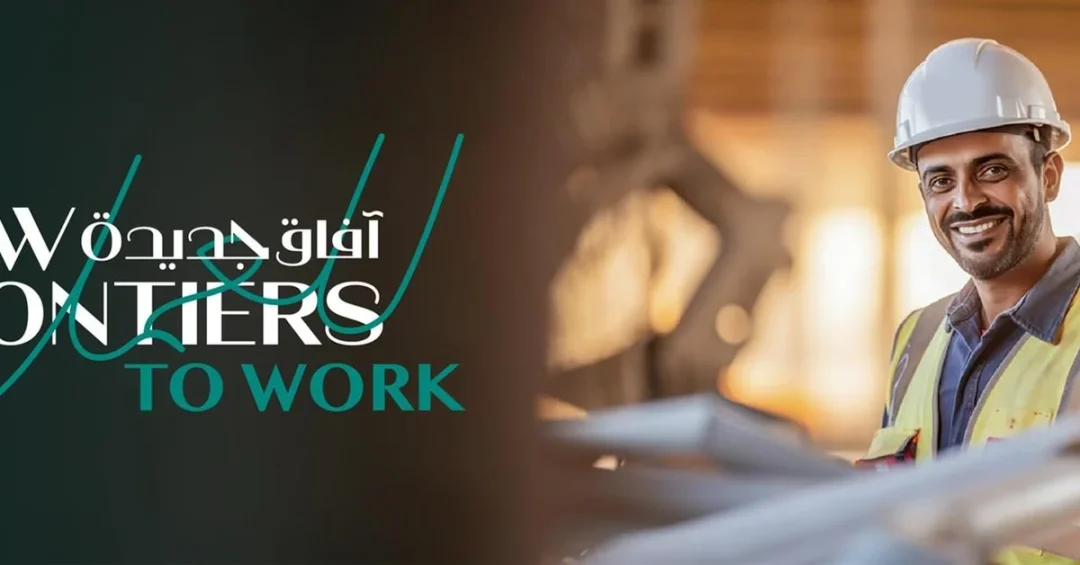
ROSHN Group, a leading Saudi real estate developer wholly owned by the Public Investment Fund (PIF), convened its second Supply Chain Forum in Riyadh on November 21, 2024, bringing together more than 400 suppliers and signing a series of strategic Memoranda of Understanding (MoUs) aimed at localizing building material production and strengthening national supply chains. According to a ROSHN press release carried by the Saudi Press Agency (SPA), the forum underscored the company’s commitment to expanding local content, creating jobs, and supporting the Kingdom’s economic diversification agenda. The event served as a platform for suppliers from around the world to explore opportunities for establishing manufacturing facilities inside Saudi Arabia, a move that aligns with the broader objectives of Saudi Vision 2030. The MoUs signed during the forum cover a wide range of sectors, from smart home technologies to sustainable construction materials, signaling a coordinated push to embed global expertise within the Kingdom’s industrial ecosystem.
The forum reflects a growing trend among Saudi mega-projects and developers to prioritize local sourcing and industrial localization as a means of enhancing economic resilience. By bringing production closer to home, ROSHN aims to reduce reliance on imports, shorten lead times, and ensure greater control over quality and sustainability standards. The participation of over 400 suppliers highlights the scale of interest in Saudi Arabia’s construction and real estate sector, which continues to expand rapidly under Vision 2030. The event also provided a venue for direct engagement between ROSHN’s leadership and its partners, fostering collaboration that goes beyond transactional relationships to encompass capacity building and knowledge transfer. As the Kingdom accelerates its ambitious infrastructure and housing programs, such forums are becoming instrumental in aligning global supply chains with local development goals.
Context and Background
Why has ROSHN made local content a cornerstone of its procurement strategy? Since its launch in 2020, ROSHN has been tasked with developing integrated, sustainable communities across Saudi Arabia, including flagship projects such as SEDRA in Riyadh and ALAROUS in Jeddah. These large-scale developments require vast quantities of building materials, from concrete and sanitaryware to smart home systems and architectural services. Historically, much of this demand was met through imports, exposing projects to global supply chain disruptions and currency fluctuations. By shifting toward local production, ROSHN not only mitigates these risks but also contributes to the growth of domestic industries. The first Supply Chain Forum, held in 2023, laid the groundwork for this approach by introducing suppliers to the Kingdom’s investment incentives and regulatory environment. The second forum builds on that momentum, demonstrating tangible progress through the signing of multiple MoUs.
The strategic importance of local content is deeply embedded in Saudi Vision 2030, which seeks to diversify the economy away from oil, boost non-oil GDP, and create employment opportunities for Saudi nationals. The National Industrial Development and Logistics Program (NIDLP), one of the Vision 2030 realization programs, aims to transform Saudi Arabia into a leading industrial power and logistics hub. ROSHN’s efforts to localize supply chains directly support NIDLP’s objectives by attracting foreign direct investment, fostering technology transfer, and nurturing small and medium-sized enterprises (SMEs) within the construction ecosystem. Furthermore, the Public Investment Fund (PIF), ROSHN’s parent company, has been at the forefront of driving domestic investment and creating strategic partnerships that enhance the Kingdom’s self-sufficiency. The forum thus represents a microcosm of the broader national effort to build a resilient, diversified, and future-ready economy.
What does this mean for international suppliers looking to enter the Saudi market? The forum signals that ROSHN and similar entities are actively seeking long-term partners willing to establish a physical presence in the Kingdom. This goes beyond simply exporting goods; it involves setting up manufacturing facilities, joint ventures, and training programs that build local capabilities. For global companies, this presents a significant opportunity to gain a foothold in one of the world’s fastest-growing construction markets. Saudi Arabia’s construction sector is projected to grow substantially over the next decade, driven by giga-projects like NEOM, the Red Sea Project, and Qiddiya, as well as large-scale housing initiatives. By aligning with ROSHN’s local content strategy, suppliers can position themselves at the heart of this transformation. The MoUs signed at the forum are a clear indication that ROSHN is ready to facilitate this process, offering support in navigating regulatory requirements and identifying suitable locations for facilities.
Key Details
During the forum, ROSHN signed MoUs with a diverse array of international and local suppliers, each bringing specialized expertise to the Kingdom’s construction sector. VIMAR, an Italian company known for smart home technologies, will collaborate with ROSHN to localize the production of advanced home automation systems. AE7, a global architectural, engineering, and consultancy firm, will provide services aimed at enhancing design and construction efficiency. Foshan Homonisia Wood Works and Products and China Foshan Desilesi Home Technology will focus on wood-based products and home technology solutions, respectively. Guangdong SUNCOO Technology, Guangdong Hegeying Construction Engineering, and Ledman Optoelectronic will contribute expertise in construction engineering, electronics, and lighting solutions. Additionally, ROSHN signed an MoU with Bton International to explore a strategic partnership for using sustainable low-carbon concrete solutions in its projects. These agreements collectively aim to localize building material production, reduce carbon footprints, and enhance the quality and sustainability of ROSHN’s developments.
Iain McBride, Executive Director Commercial at ROSHN Group, emphasized the forum’s role in showcasing opportunities for suppliers to establish facilities and manufacturing operations in Saudi Arabia. He stated, “We want to bring our suppliers to the Kingdom and show them the opportunities that there are here to establish facilities and manufacturing.” McBride further highlighted that the forum brought together hundreds of partners “to showcase how we can do more to build local capacity and explore collaborations on building capacity here.” He also stressed that signing these MoUs during the event underlines the company’s determination to contribute to the Kingdom’s economic growth and diversification through ROSHN’s local content strategy. McBride’s comments reflect a pragmatic approach: by integrating suppliers into the local economy, ROSHN aims to create a self-reinforcing cycle of investment, innovation, and job creation.
What specific benefits will these MoUs bring to the Saudi economy? The localization of building material production is expected to generate employment opportunities for Saudi nationals, particularly in manufacturing, engineering, and logistics. It will also reduce the Kingdom’s import bill, keeping more capital within the domestic economy. Moreover, the transfer of technology and know-how from international partners will enhance the competitiveness of Saudi industries, enabling them to eventually export products regionally and globally. The focus on sustainable materials, such as low-carbon concrete, aligns with Saudi Arabia’s commitment to environmental sustainability and the goals of the Saudi Green Initiative. By embedding these practices into its supply chain, ROSHN is setting a benchmark for other developers and contributing to the Kingdom’s circular economy aspirations. The MoUs are not merely symbolic; they represent concrete steps toward building a robust industrial base that supports Vision 2030’s economic diversification targets.
International and Regional Impact
How will ROSHN’s supply chain localization affect regional trade dynamics? By attracting international suppliers to set up manufacturing facilities in Saudi Arabia, ROSHN is effectively creating a new hub for construction materials in the Middle East. This could reduce the region’s dependence on imports from Asia and Europe, while also positioning Saudi Arabia as a net exporter of high-quality building products. Neighboring Gulf Cooperation Council (GCC) countries, many of which are also undertaking large infrastructure projects, may become customers of these localized production facilities, fostering greater economic integration within the Gulf. Furthermore, the involvement of Chinese, Italian, and other global firms underscores Saudi Arabia’s openness to international collaboration and its ability to serve as a bridge between East and West. The forum thus has implications beyond Saudi borders, potentially reshaping supply chains across the wider region.
What signals does this send to the global investment community? The successful convening of over 400 suppliers and the signing of multiple MoUs demonstrate that Saudi Arabia’s business environment is increasingly attractive to foreign companies. It showcases the Kingdom’s commitment to creating a transparent, predictable, and supportive ecosystem for investors. The event also highlights the role of PIF-backed companies like ROSHN as catalysts for private sector growth. For international investors, this is a clear indication that partnering with Saudi entities can yield substantial returns while contributing to the Kingdom’s development goals. The forum’s emphasis on local content does not mean protectionism; rather, it is about mutually beneficial partnerships that bring technology, jobs, and sustainable growth. As global supply chains continue to evolve in the post-pandemic era, Saudi Arabia is positioning itself as a reliable and strategic node in the global economy.
Economic and Strategic Significance
Why is local content so critical to Saudi Arabia’s economic future? The Kingdom’s Vision 2030 aims to increase the share of non-oil exports in GDP and reduce reliance on oil revenues. Localizing supply chains is a direct way to achieve this by fostering industrial diversification and enhancing the competitiveness of Saudi products. For ROSHN, local sourcing offers practical advantages: reduced logistics costs, faster delivery times, and greater flexibility in responding to project needs. It also allows for closer collaboration with suppliers on innovation and quality control. Strategically, a robust local supply chain enhances national security by reducing vulnerability to global disruptions. The COVID-19 pandemic exposed the fragility of global supply chains, and Saudi Arabia is now taking proactive steps to build resilience. ROSHN’s initiative is a model that other major developers and government entities can emulate, amplifying the impact across the economy.
What role does the Public Investment Fund play in this endeavor? As ROSHN’s sole shareholder, PIF provides not only capital but also strategic direction and access to a vast network of portfolio companies. PIF’s mandate includes supporting the development of key sectors and creating opportunities for the private sector. By backing ROSHN’s local content strategy, PIF is leveraging its convening power to bring together global suppliers and local partners. This aligns with PIF’s broader strategy of investing in sectors that drive economic diversification, such as real estate, construction, and manufacturing. The fund’s involvement ensures that ROSHN’s projects are integrated into the national development agenda, maximizing their economic impact. Moreover, PIF’s investments in related industries, such as mining and petrochemicals, can further support the local supply chain by providing raw materials and intermediate goods.
Vision 2030 Alignment
How does ROSHN’s Supply Chain Forum directly contribute to Vision 2030? The forum and the resulting MoUs are a tangible manifestation of several Vision 2030 pillars: a vibrant society, a thriving economy, and an ambitious nation. By creating jobs, fostering local industries, and attracting foreign investment, ROSHN is helping to build a diversified and sustainable economy. The emphasis on sustainability, through low-carbon concrete and smart home technologies, supports the environmental goals of Vision 2030 and the Saudi Green Initiative. The forum also promotes knowledge transfer and capacity building, which are essential for developing a skilled Saudi workforce. As Saudi Arabia continues its journey toward a post-oil future, initiatives like this demonstrate how the Kingdom is turning its ambitions into reality through collaboration and innovation.
What can we expect next from ROSHN and its partners? The MoUs signed at the forum are expected to lead to concrete investments and facility openings in the coming years. ROSHN will continue to work closely with suppliers to ensure a smooth transition to local production, providing support in areas such as licensing, land allocation, and workforce training. The company’s pipeline of projects, including SEDRA, ALAROUS, and WAREFA, will serve as anchor demand for these localized supply chains, giving suppliers the confidence to invest. Beyond ROSHN, the success of this model could inspire other Saudi developers and government entities to adopt similar local content strategies, creating a multiplier effect across the economy. Ultimately, the forum represents a step forward in Saudi Arabia’s journey to become a global leader in sustainable development and economic diversification, with ROSHN playing a pivotal role in shaping the Kingdom’s built environment.
20 Questions
Q1. What was the main purpose of ROSHN’s second Supply Chain Forum?
A1. The forum aimed to bring together over 400 suppliers to explore opportunities for localizing building material production in Saudi Arabia, promoting local content, creating jobs, and building resilient supply chains that support the Kingdom’s economic growth and diversification.
Q2. Who organized the Supply Chain Forum and when did it take place?
A2. ROSHN Group, a PIF company, organized the forum. It was held in Riyadh on November 21, 2024, as reported by the Saudi Press Agency (SPA) through a ROSHN press release.
Q3. How many suppliers attended the forum?
A3. More than 400 ROSHN suppliers attended the event, representing a wide range of industries and specialties from both Saudi Arabia and international markets.
Q4. Which companies signed MoUs with ROSHN during the forum?
A4. ROSHN signed MoUs with VIMAR, AE7, Foshan Homonisia Wood Works and Products, China Foshan Desilesi Home Technology, Guangdong SUNCOO Technology, Guangdong Hegeying Construction Engineering, Ledman Optoelectronic, and Bton International.
Q5. What is the focus of the MoU with VIMAR?
A5. The MoU with VIMAR focuses on smart home technologies, aiming to localize the production of advanced home automation systems within Saudi Arabia.
Q6. What does the MoU with AE7 cover?
A6. The MoU with AE7 covers architectural, engineering, and consultancy services, intended to enhance design and construction efficiency in ROSHN’s projects.
Q7. What is the purpose of the MoU with Bton International?
A7. The MoU with Bton International explores a strategic partnership to use sustainable low-carbon concrete solutions in ROSHN’s construction projects, supporting environmental sustainability goals.
Q8. How does ROSHN’s local content strategy benefit the Saudi economy?
A8. It creates jobs, reduces imports, fosters industrial diversification, attracts foreign investment, and enhances the competitiveness of Saudi industries, all of which support Vision 2030’s economic goals.
Q9. What did Iain McBride say about the forum?
A9. Iain McBride, Executive Director Commercial at ROSHN Group, said the forum showcases opportunities for suppliers to establish facilities in the Kingdom and underscores ROSHN’s determination to contribute to economic growth and diversification through local content.
Q10. How does the forum align with Saudi Vision 2030?
A10. It aligns with Vision 2030 by promoting economic diversification, local content, job creation, sustainability, and foreign investment, directly supporting the goals of a thriving economy and a vibrant society.
Q11. What types of products are targeted for localization?
A11. Targeted products include smart home technologies, architectural and engineering services, wood works, home technology solutions, construction engineering, lighting, sanitaryware, and low-carbon concrete.
Q12. Which ROSHN project will benefit from the pre-cast concrete facility?
A12. The pre-cast concrete facility is being established on-site at SEDRA, ROSHN’s flagship community in Riyadh, to support sustainable construction practices.
Q13. How will localizing supply chains make ROSHN’s operations more sustainable?
A13. Localizing supply chains reduces transportation emissions, shortens lead times, lowers costs, and enables the use of sustainable materials like low-carbon concrete, thereby enhancing overall sustainability.
Q14. What role does the Public Investment Fund (PIF) play in ROSHN’s activities?
A14. As ROSHN’s sole shareholder, PIF provides capital, strategic direction, and access to a network of portfolio companies, supporting ROSHN’s local content strategy and alignment with national development goals.
Q15. How many MoUs were signed during the forum?
A15. ROSHN signed eight MoUs during the forum, with VIMAR, AE7, Foshan Homonisia, China Foshan Desilesi, Guangdong SUNCOO, Guangdong Hegeying, Ledman Optoelectronic, and Bton International.
Q16. What is the significance of the forum for international suppliers?
A16. It offers international suppliers a chance to enter the growing Saudi market, establish manufacturing facilities, and partner with a major developer, gaining long-term benefits from the Kingdom’s economic transformation.
Q17. How does ROSHN’s initiative support job creation for Saudi nationals?
A17. By localizing production, ROSHN helps create jobs in manufacturing, engineering, logistics, and related fields, providing employment opportunities for Saudi nationals and supporting workforce development.
Q18. What is the expected impact on regional trade?
A18. The localization efforts could position Saudi Arabia as a regional hub for construction materials, reducing dependence on imports and potentially exporting to neighboring GCC countries, fostering economic integration.
Q19. What are the next steps following the MoUs?
A19. ROSHN will work with suppliers to facilitate the establishment of local facilities, providing support in licensing, land allocation, and workforce training, with concrete investments expected in the coming years.
Q20. How does this forum reflect Saudi Arabia’s broader economic transformation?
A20. It demonstrates Saudi Arabia’s commitment to diversifying its economy, attracting foreign investment, fostering innovation, and building resilient supply chains, all of which are central to Vision 2030 and the Kingdom’s long-term prosperity.
Reader Feedback
We value your thoughts. Please share your feedback on this article.
Your feedback helps us improve our coverage.
Related articles
 Slovak President Welcomes Saudi Chambers Federation President, Investors
 SAUDIA Wins Best Airline Cabin Crew Award in Miami
 Saudi Arabia and Tajikistan Sign Agreement to Establish Joint Business Council
 Manga Productions Signs Deal for Dynasty Warriors: Origins
 Saudi Auditors Take ‘From Riyadh to the World’ to Moscow
 Aramco, Linde, SLB Sign Deal for Major CCS Hub