


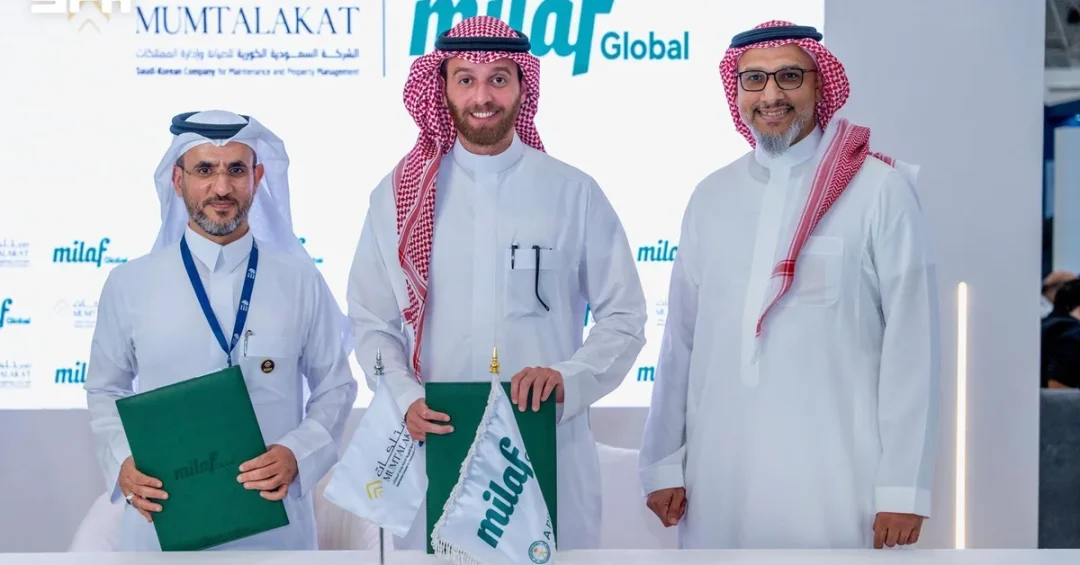
The Saudi Coffee Company has signed a memorandum of understanding (MoU) with Mumtalakat to strengthen cooperation and explore joint opportunities across the hospitality and food sectors, according to an announcement carried by the Saudi Press Agency (SPA) on September 21, 2026. The agreement, finalized in Riyadh, establishes a framework for the two organizations to collaborate on expanding the reach of Saudi Coffee Company products and to open new areas of joint work that align with the Kingdom’s broader economic diversification goals.
The MoU reflects a deliberate strategy by the Saudi Coffee Company to extend its commercial footprint beyond traditional retail channels and into the hospitality and food service industries, where consumer engagement with premium beverage brands is growing rapidly. By partnering with Mumtalakat, a prominent investment entity with a diversified portfolio of projects and brands, the Saudi Coffee Company aims to place its products in front of new customer segments and in markets that value authenticity and quality. For international observers tracking Saudi Arabia’s economic transformation, this development signals continued momentum in the Kingdom’s efforts to build globally competitive homegrown brands.
Context and Background
Why does a memorandum of understanding between a coffee company and an investment group matter on the international stage? To understand the significance, it is important to recognize the broader context of Saudi Arabia’s economic modernization. The Saudi Coffee Company was established as part of the Kingdom’s efforts to develop and promote Saudi coffee as a distinctive national product, rooted in the rich heritage of regions such as Jazan, where coffee cultivation has been practiced for centuries. The company’s mandate goes beyond simple commercialization; it is tasked with building a sustainable value chain that supports local farmers, enhances production quality, and elevates Saudi coffee to a position of prominence in both domestic and international markets.
Mumtalakat, for its part, is a well-established investment organization with a portfolio that spans multiple sectors, including hospitality, real estate, and food and beverage. Its projects range from luxury developments to community-focused initiatives, all of which require high-quality products and services to meet the expectations of discerning customers. The MoU signed with the Saudi Coffee Company is designed to leverage this portfolio by exploring opportunities to offer Saudi Coffee Company products across Mumtalakat’s various projects, tailoring the offerings to suit the nature and varying needs of each initiative.
The timing of this agreement is notable. It comes as Saudi Arabia continues to advance Vision 2030, the comprehensive national strategy launched by Crown Prince Mohammed bin Salman to diversify the economy away from oil dependence, empower the private sector, and create a vibrant society. The food and beverage sector is a key pillar of this strategy, with rising tourism, expanding hospitality infrastructure, and a growing young population driving demand for premium and locally sourced products. The partnership between the Saudi Coffee Company and Mumtalakat is therefore more than a commercial arrangement; it is a reflection of the collaborative spirit that Vision 2030 seeks to foster across the Saudi business landscape.
Key Details of the Agreement
What exactly does the MoU entail, and how will it translate into tangible outcomes? According to the official announcement, the agreement focuses on exploring opportunities to offer Saudi Coffee Company products across Mumtalakat’s projects. This includes integrating these products into hospitality venues, food and beverage outlets, and other customer-facing environments within Mumtalakat’s portfolio. The collaboration is designed to benefit from Mumtalakat’s diverse range of products and brands, ensuring that the placement and presentation of Saudi Coffee Company offerings are aligned with the specific character and requirements of each project.
The MoU also supports the Saudi Coffee Company’s efforts to expand its presence across various sectors and projects, increasing the reach of its products to new customer segments and markets. This is to be achieved through cooperation with leading entities in the Kingdom, a clear indication that the Saudi Coffee Company views strategic partnerships as a primary vehicle for growth. By joining forces with Mumtalakat, the company gains access to established distribution channels, premium locations, and a customer base that appreciates quality and authenticity.
While the MoU is a framework agreement rather than a binding commercial contract, it carries significant weight as a statement of intent. It signals that both parties are committed to exploring concrete avenues for collaboration, with the ultimate goal of creating mutual value. For the Saudi Coffee Company, this means enhanced brand visibility and the opportunity to position Saudi coffee as a staple in the hospitality and food sectors. For Mumtalakat, it means enriching its projects with a distinctive local product that resonates with consumers and supports the national economy. The agreement also underscores the growing trend of cross-sector partnerships within Saudi Arabia, where entities from different industries come together to drive innovation and economic growth.
International and Regional Impact
How might this partnership influence Saudi Arabia’s standing in global coffee markets and its regional economic relationships? The global coffee industry is valued at hundreds of billions of dollars annually, with specialty coffee representing one of the fastest-growing segments. Saudi Arabia has been steadily positioning itself as a producer and purveyor of premium coffee, leveraging its unique terroir and cultural heritage. The collaboration between the Saudi Coffee Company and Mumtalakat could serve as a catalyst for broader international recognition of Saudi coffee, particularly if the products are featured in high-profile hospitality projects that attract international visitors and business travelers.
Regionally, the MoU reinforces the spirit of cooperation among Gulf economies. Mumtalakat’s involvement, with its regional investment footprint, highlights the potential for intra-Gulf partnerships that strengthen economic ties and create shared prosperity. Such collaborations are consistent with the Gulf Cooperation Council’s broader objectives of economic integration and diversification. For international businesses looking to enter the Saudi market or partner with Saudi entities, this agreement demonstrates the openness of the Kingdom’s business environment and the willingness of its institutions to engage in strategic alliances.
Moreover, the partnership aligns with Saudi Arabia’s ambitions to become a global hub for tourism and hospitality. As the Kingdom invests heavily in mega-projects such as NEOM, the Red Sea Project, and Diriyah Gate, the demand for high-quality food and beverage offerings will continue to rise. By securing placement for Saudi Coffee Company products within Mumtalakat’s projects, the agreement helps ensure that a proudly Saudi brand is part of the visitor experience, thereby contributing to the narrative of a modern, welcoming, and culturally rich nation.
Economic and Strategic Significance
What are the economic benefits of this collaboration, and why is it strategically important for Saudi Arabia? At the macroeconomic level, the MoU supports the growth of the Kingdom’s non-oil sector, a central objective of Vision 2030. The food and beverage industry is labor-intensive and has strong linkages to agriculture, logistics, and tourism. By expanding the market for Saudi Coffee Company products, the agreement can stimulate demand for Saudi-grown coffee beans, thereby supporting farmers in regions like Jazan and contributing to rural development. It also creates opportunities for job creation in production, distribution, and hospitality services.
From a strategic perspective, the partnership enhances the resilience and competitiveness of Saudi businesses. It encourages the formation of integrated supply chains and promotes the sharing of expertise between different sectors. The Saudi Coffee Company gains valuable insights into the hospitality industry’s requirements, while Mumtalakat benefits from associating its projects with a premium local product that enhances customer satisfaction. Such synergies are essential for building a diversified and knowledge-based economy, as envisioned in Vision 2030. Furthermore, the agreement sends a positive signal to investors and international partners about the dynamism of the Saudi private sector and its ability to forge meaningful collaborations.
The MoU also reflects the growing emphasis on sustainability and ethical sourcing in global supply chains. Saudi Coffee Company has been working to implement best practices in coffee cultivation, processing, and marketing, with a focus on quality and environmental responsibility. By partnering with Mumtalakat, these practices can be showcased across a wider range of projects, potentially influencing industry standards and consumer preferences. This alignment with global trends enhances the appeal of Saudi coffee to environmentally conscious consumers and business partners.
Vision 2030 Alignment
How does this agreement contribute to the realization of Saudi Vision 2030? The MoU is a practical example of the Vision’s call for a vibrant private sector and diversified economy. It brings together two entities that are committed to excellence and innovation, and it creates a platform for the growth of a distinctive Saudi product. The Vision 2030 framework emphasizes the importance of developing national industries, promoting local content, and enhancing the Kingdom’s non-oil exports. The Saudi Coffee Company’s collaboration with Mumtalakat directly supports these objectives by expanding the domestic market for Saudi coffee and laying the groundwork for future international expansion.
Additionally, the partnership contributes to the Vision’s social and cultural goals. Coffee is deeply embedded in Saudi culture, symbolizing hospitality, generosity, and community. By elevating Saudi coffee and making it more accessible through hospitality and food projects, the agreement helps preserve and promote this cultural heritage. It also aligns with the Quality of Life Program, which aims to enhance the living standards of citizens and residents by offering diverse and high-quality products and experiences. As Saudi Arabia continues its transformation, partnerships like this one demonstrate how economic progress and cultural pride can advance together, reinforcing the Kingdom’s position as a leader in the region and a responsible global actor.
20 Questions
Q1. What did the Saudi Coffee Company sign with Mumtalakat?
A1. The Saudi Coffee Company signed a memorandum of understanding (MoU) with Mumtalakat to strengthen cooperation and explore joint opportunities in the hospitality and food sectors, as reported by the Saudi Press Agency on September 21, 2026.
Q2. What is the main focus of the MoU?
A2. The MoU focuses on exploring opportunities to offer Saudi Coffee Company products across Mumtalakat’s projects and to benefit from its portfolio of products and brands in ways that suit the varying needs of its projects.
Q3. Why is this agreement significant for the Saudi Coffee Company?
A3. The agreement supports the company’s efforts to expand its presence across various sectors and projects and to increase the reach of its products to new customer segments and markets through cooperation with leading entities in the Kingdom.
Q4. What is Mumtalakat’s role in this partnership?
A4. Mumtalakat is an investment organization with a diverse portfolio of projects and brands. It will explore integrating Saudi Coffee Company products into its hospitality and food projects, tailoring offerings to each project’s nature.
Q5. How does this MoU align with Saudi Vision 2030?
A5. It supports economic diversification, private sector growth, and the development of national products, all of which are core objectives of Vision 2030. It also promotes local content and cultural heritage.
Q6. What are the potential benefits for the hospitality sector?
A6. The hospitality sector can enhance its offerings with premium Saudi coffee, providing guests with an authentic local experience. This can increase customer satisfaction and differentiate venues in a competitive market.
Q7. Will the MoU lead to immediate product placements?
A7. The MoU is a framework agreement that sets the stage for exploring opportunities. Specific product placements will be determined through further collaboration and detailed planning between the two parties.
Q8. How does this partnership support Saudi coffee farmers?
A8. By expanding the market for Saudi Coffee Company products, the agreement can stimulate demand for Saudi-grown coffee beans, supporting farmers in regions like Jazan and contributing to rural development.
Q9. What is the expected impact on the Saudi economy?
A9. The partnership supports non-oil sector growth, creates jobs in production and hospitality, and strengthens supply chains, aligning with Vision 2030’s economic diversification goals.
Q10. Does this agreement involve international markets?
A10. While the initial focus is on Mumtalakat’s projects within the Kingdom, the collaboration could enhance the brand’s visibility and pave the way for future international expansion as Saudi coffee gains global recognition.
Q11. How does Saudi coffee reflect the Kingdom’s cultural heritage?
A11. Saudi coffee is deeply rooted in the Kingdom’s traditions of hospitality and generosity. Promoting it through hospitality projects helps preserve and share this cultural heritage with visitors and residents.
Q12. What other sectors could benefit from this collaboration?
A12. The collaboration could benefit tourism, retail, and food services by integrating Saudi coffee into diverse experiences. It may also encourage similar cross-sector partnerships in other industries.
Q13. Is this MoU legally binding?
A13. A memorandum of understanding is typically a non-binding statement of intent. It outlines areas of cooperation but does not create enforceable obligations. Specific contracts would be required for binding commitments.
Q14. How does this partnership support local content?
A14. By promoting Saudi Coffee Company products, the partnership increases the visibility and consumption of locally produced goods, thereby supporting local content and the national economy.
Q15. What is the Saudi Coffee Company’s mission?
A15. The Saudi Coffee Company aims to develop and promote Saudi coffee as a premium product, support local farmers, and build a sustainable value chain that enhances the Kingdom’s coffee industry.
Q16. What types of projects does Mumtalakat have?
A16. Mumtalakat has a portfolio that includes hospitality, real estate, and food and beverage projects, among others. The MoU aims to integrate Saudi Coffee Company products into these diverse projects.
Q17. How will this partnership be implemented?
A17. Implementation will involve joint teams exploring specific opportunities, conducting feasibility studies, and agreeing on commercial terms for product placement and collaboration in Mumtalakat’s projects.
Q18. What are the long-term goals of this collaboration?
A18. The long-term goals include establishing Saudi Coffee Company as a leading brand in the hospitality and food sectors, expanding its market reach, and contributing to the growth of the Saudi coffee industry.
Q19. Does this agreement have any environmental implications?
A19. The partnership may promote sustainable practices in coffee production and distribution, aligning with global trends and Saudi Arabia’s environmental goals under Vision 2030.
Q20. How does this MoU reflect Saudi Arabia’s global engagement?
A20. It demonstrates the Kingdom’s openness to strategic partnerships and its commitment to building a diversified economy, enhancing its global reputation as a dynamic and forward-looking nation.
Reader Feedback
We value your thoughts. Please share your feedback on this article.
Your feedback helps us improve our coverage.
Related articles
 Skytrax Names flynas Best Low-Cost Airline in Middle East for 9th Year
 STC Bank Founding Partner of Money20/20 Middle East
 Saudi Contractors Authority visits Korea for infrastructure cooperation
 Saudi Contractors Authority Expands Korea Partnerships
 ACP, Delta Sign Agreement for Direct Riyadh-Atlanta Flights
 Jubail Corrosion Conference Draws Global Industrial Experts