


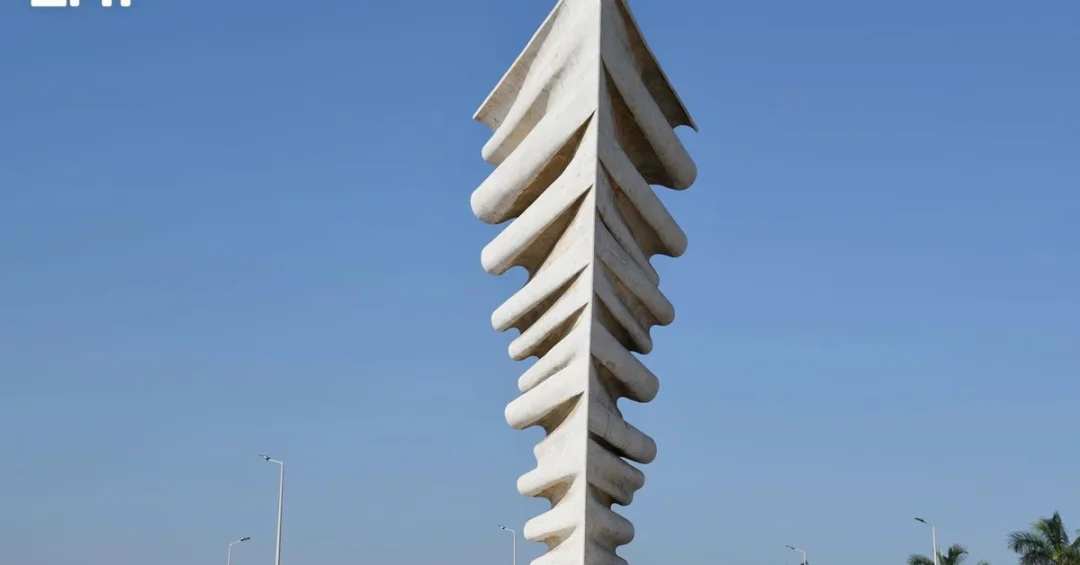
Around 30 public art installations by Spanish artist and architect Julio Lafuente have become defining visual landmarks across Jeddah, shaping the city’s aesthetic identity as an open-air gallery along the Red Sea. According to the Saudi Press Agency (SPA), these works, created largely under the “Beautification of Jeddah” project launched in the 1970s, adorn streets and squares and remain deeply embedded in the memories of residents and visitors alike. Have you ever wondered how a single artist’s vision could transform an entire city into a living museum? Lafuente’s sculptures blend artistic expression with the authenticity of Jeddah’s local environment, turning the “Bride of the Red Sea” into a destination where art and daily life intersect.
The scale of Lafuente’s contribution is remarkable: his creations accounted for the largest share of the beautification initiative, which was overseen by Jeddah Municipality. Beyond their aesthetic appeal, these sculptures served a practical purpose as navigational markers and reference points, much like digital maps today. Over time, they have become iconic landmarks associated with the city, passed down through generations. This fusion of form and function reflects a forward-thinking approach to urban design that continues to resonate in Saudi Arabia’s broader modernization efforts under Vision 2030.
Context and Background
How did a Spanish artist come to leave such an indelible mark on a Saudi city? Julio Lafuente began his collaboration with Jeddah Municipality in the mid-1970s, a period when Saudi Arabia was investing heavily in infrastructure and urban development. The “Beautification of Jeddah” project was a visionary initiative aimed at enhancing the city’s public spaces, and Lafuente’s background in both art and architecture made him an ideal partner. He produced a diverse collection of artworks, each rich in symbolism and meaning, using materials sourced from the local environment. This choice reinforced the connection between the sculptures, their surroundings, and the collective memory of residents and visitors.
The 1970s were a transformative era for Jeddah, as the city expanded rapidly due to economic growth and increasing pilgrimage traffic. The municipality sought to create a distinctive urban identity that honored local heritage while embracing modernity. Lafuente’s sculptures, with their blend of abstract forms and cultural references, perfectly captured this balance. His works were not merely decorative; they were designed to be functional, helping people navigate the city’s evolving landscape. This dual purpose—beauty and utility—set a precedent for public art in Saudi Arabia and beyond.
Over the decades, Lafuente’s installations have weathered the changes of a growing metropolis, yet they remain as relevant as ever. They stand as a testament to an important chapter in Jeddah’s urban beautification, reflecting the city’s artistic and cultural heritage, beauty, and authenticity. As Saudi Arabia continues to invest in cultural infrastructure, these early examples of public art provide a foundation for contemporary initiatives that aim to enrich the quality of life for citizens and visitors alike.
Key Details
What makes Lafuente’s sculptures so enduring? Among his notable works is the “Bicycle” sculpture, a familiar landmark distinguished by its striking design and massive iron structure, which stands 15 meters tall. This whimsical yet monumental piece never fails to capture the imagination of passersby. Another iconic work is the globe sculpture, located north of King Abdulaziz Road. Made of glass and colored concrete, it symbolizes Makkah’s central position in the Islamic world, serving as a visual reminder of the spiritual heart of Saudi Arabia. These works are not just art; they are storytelling devices that convey deep cultural and religious messages.
Lafuente’s works explore diverse artistic themes with cultural and religious dimensions. One sculpture, oriented toward the Grand Mosque, combines marble lines and geometric forms to express Islamic identity. Another, featuring a Quranic verse, brings together marble and bronze with Arabic calligraphy, reflecting the artist’s understanding of local culture and his ability to translate it into artistic expression. Along Al-Andalus Road, four lantern sculptures evoke the beauty and authenticity of traditional Mamluk-era lamps, bridging historical aesthetics with modern urban design. Each piece invites viewers to reflect on the intersection of faith, history, and art.
Beyond aesthetics, Lafuente also addressed social issues. His “Reckless Speed” sculpture features five actual cars embedded in a concrete cube, delivering a powerful warning about the dangers of speeding and reckless driving. This innovative approach to public awareness demonstrates how art can serve as a tool for education and behavioral change. Additionally, Lafuente’s architectural contributions include designing the former Literary Club building in Jeddah, which now houses the Saudi Arabian Society for Culture and Arts. This building stands as another example of his lasting impact on the city’s cultural landscape.
International and Regional Impact
How do Lafuente’s sculptures influence Jeddah’s standing in the region and beyond? As landmarks, they attract tourists and art enthusiasts from around the world, contributing to Jeddah’s reputation as a cultural hub. The city’s open-air gallery concept predates many similar initiatives in the Middle East, positioning Jeddah as a pioneer in integrating art into urban planning. This aligns with Saudi Arabia’s Vision 2030 goals of promoting tourism and cultural exchange. Visitors to Jeddah can experience a unique blend of heritage and modernity, with Lafuente’s works serving as accessible entry points to the city’s rich history.
Regionally, Lafuente’s sculptures have inspired other cities in the Gulf to invest in public art. They demonstrate how art can foster a sense of place and community identity, even in rapidly changing urban environments. By preserving these works, Jeddah maintains a link to its past while embracing the future. The sculptures also highlight the contributions of international artists to Saudi Arabia’s cultural tapestry, reflecting the Kingdom’s openness to global influences. This cultural diplomacy strengthens people-to-people ties and enhances mutual understanding between Saudi Arabia and the wider world.
Economic and Strategic Significance
What economic value do these sculptures bring to Jeddah? Cultural tourism is a growing sector in Saudi Arabia, and Jeddah’s public art collection is a unique asset. Tourists often seek authentic experiences, and Lafuente’s works offer a tangible connection to the city’s history and artistic heritage. The presence of these landmarks can increase foot traffic in surrounding areas, benefiting local businesses such as cafes, galleries, and shops. Moreover, the sculptures contribute to the city’s brand as a creative and vibrant destination, which can attract investment and talent.
Strategically, the preservation and promotion of Lafuente’s works align with Vision 2030’s objectives of diversifying the economy and enhancing quality of life. By investing in cultural infrastructure, Saudi Arabia signals its commitment to fostering a knowledge-based society and a thriving creative economy. The sculptures also serve as educational tools, inspiring future generations of Saudi artists and architects. They are a reminder that public art is not a luxury but an integral part of sustainable urban development, capable of driving social and economic progress.
Vision 2030 Alignment
How do Lafuente’s sculptures connect to Saudi Arabia’s long-term vision? Vision 2030 aims to transform the Kingdom into a global hub for culture, tourism, and innovation. Jeddah’s public art collection, with Lafuente’s works at its core, exemplifies this ambition by creating a distinctive urban identity that attracts visitors and enriches community life. The sculptures also support the goal of increasing cultural participation, as they are freely accessible to all. By maintaining these landmarks, Jeddah honors its past while building a future where art and culture are central to national development.
As Saudi Arabia continues to invest in mega-projects and cultural initiatives, Lafuente’s legacy serves as a foundation. His ability to blend local materials, cultural symbolism, and functional design offers lessons for contemporary urban planners. The sculptures are not static relics; they are living parts of the city’s fabric, evolving with each generation. In this sense, they embody the spirit of Vision 2030: a forward-looking, inclusive, and culturally rich Saudi Arabia. The Kingdom’s commitment to preserving such works ensures that Jeddah remains a beacon of artistic expression and a testament to the enduring power of public art.
20 Questions
Q1. Who is Julio Lafuente?
A1. Julio Lafuente was a Spanish artist and architect who created around 30 public art installations in Jeddah, shaping the city’s visual identity through the “Beautification of Jeddah” project launched in the 1970s.
Q2. When did Lafuente begin his collaboration with Jeddah Municipality?
A2. Lafuente began his collaboration with Jeddah Municipality in the mid-1970s, contributing to the city’s urban beautification efforts with sculptures that blended art and functionality.
Q3. What is the “Beautification of Jeddah” project?
A3. The “Beautification of Jeddah” project was a 1970s initiative by Jeddah Municipality to enhance public spaces with art. Lafuente’s works formed the largest share of this project.
Q4. How many sculptures did Lafuente create in Jeddah?
A4. Around 30 art installations by Julio Lafuente adorn Jeddah’s streets and squares, serving as visual landmarks and navigational markers throughout the city.
Q5. What is the “Bicycle” sculpture?
A5. The “Bicycle” sculpture is a famous landmark in Jeddah, known for its striking design and massive iron structure that stands 15 meters tall, capturing the imagination of passersby.
Q6. What does the globe sculpture symbolize?
A6. The globe sculpture, made of glass and colored concrete and located north of King Abdulaziz Road, symbolizes Makkah’s central position in the Islamic world.
Q7. Where are the four lantern sculptures located?
A7. The four lantern sculptures are located along Al-Andalus Road in Jeddah, evoking the beauty and authenticity of traditional Mamluk-era lamps.
Q8. How do Lafuente’s works reflect Islamic identity?
A8. One sculpture oriented toward the Grand Mosque combines marble lines and geometric forms to express Islamic identity, while another features a Quranic verse in marble and bronze with Arabic calligraphy.
Q9. What is the purpose of the “Reckless Speed” sculpture?
A9. The “Reckless Speed” sculpture features five actual cars embedded in a concrete cube, delivering a warning about the dangers of speeding and reckless driving to promote road safety.
Q10. What architectural contribution did Lafuente make in Jeddah?
A10. Lafuente designed the former Literary Club building in Jeddah, which now houses the Saudi Arabian Society for Culture and Arts, adding to his lasting impact on the city’s cultural landscape.
Q11. Why did Lafuente use local materials?
A11. Lafuente used materials sourced from the local environment to reinforce the connection between the sculptures, their surroundings, and the collective memory of Jeddah’s residents and visitors.
Q12. How do the sculptures serve as navigational markers?
A12. Beyond their aesthetic appeal, the sculptures functioned as practical reference points, much like digital maps today, helping people navigate the city and becoming iconic landmarks over time.
Q13. What impact have Lafuente’s works had on Jeddah’s identity?
A13. Lafuente’s works have helped shape Jeddah’s aesthetic identity, turning the city into an open-air art gallery that blends artistic expression with the authenticity of its local environment and cultural heritage.
Q14. How do the sculptures contribute to tourism in Jeddah?
A14. The sculptures attract tourists and art enthusiasts, contributing to Jeddah’s reputation as a cultural hub and supporting the Kingdom’s Vision 2030 goals of promoting tourism and cultural exchange.
Q15. What themes does Lafuente explore in his art?
A15. Lafuente explores diverse artistic themes with cultural and religious dimensions, including Islamic identity, Quranic verses, traditional lamps, and social awareness, reflecting his understanding of local culture.
Q16. How do the sculptures align with Vision 2030?
A16. The sculptures align with Vision 2030 by enhancing quality of life, promoting cultural participation, and supporting economic diversification through cultural tourism and creative industries.
Q17. Are the sculptures still present in Jeddah today?
A17. Yes, Lafuente’s sculptures remain an integral part of Jeddah’s visual identity and collective memory, passed down through generations and maintained as iconic landmarks.
Q18. What makes Lafuente’s works unique?
A18. Lafuente’s works uniquely blend art and functionality, using local materials and cultural symbolism to create landmarks that are both aesthetically pleasing and practically useful for navigation and awareness.
Q19. How does Jeddah Municipality support public art?
A19. Jeddah Municipality launched the “Beautification of Jeddah” project in the 1970s and continues to maintain Lafuente’s works, demonstrating ongoing commitment to public art and urban beauty.
Q20. What is the legacy of Julio Lafuente in Saudi Arabia?
A20. Julio Lafuente’s legacy is a transformed Jeddah, where his sculptures serve as enduring symbols of artistic excellence, cultural heritage, and the city’s journey toward modernization under Vision 2030.
Reader Feedback
We value your thoughts. Please share your feedback on this article.
Your feedback helps us improve our coverage.
Related articles
 King Abdulaziz Falconry Festival Holds First Cup Round
 King Abdulaziz Falconry Festival Concludes Qualifying Rounds for Local Amateurs in Milwah Competition
 Saudi Authorities Remove 41 Visual Blights from Heritage Sites
 King Abdulaziz Falconry Festival: 18 Rounds Begin Wednesday
 Saudi Culture Ministry Launches Cultural Insurance Consulting
 International Rounds of Milwah Race Begin Wednesday at King Abdulaziz Falconry Festival