


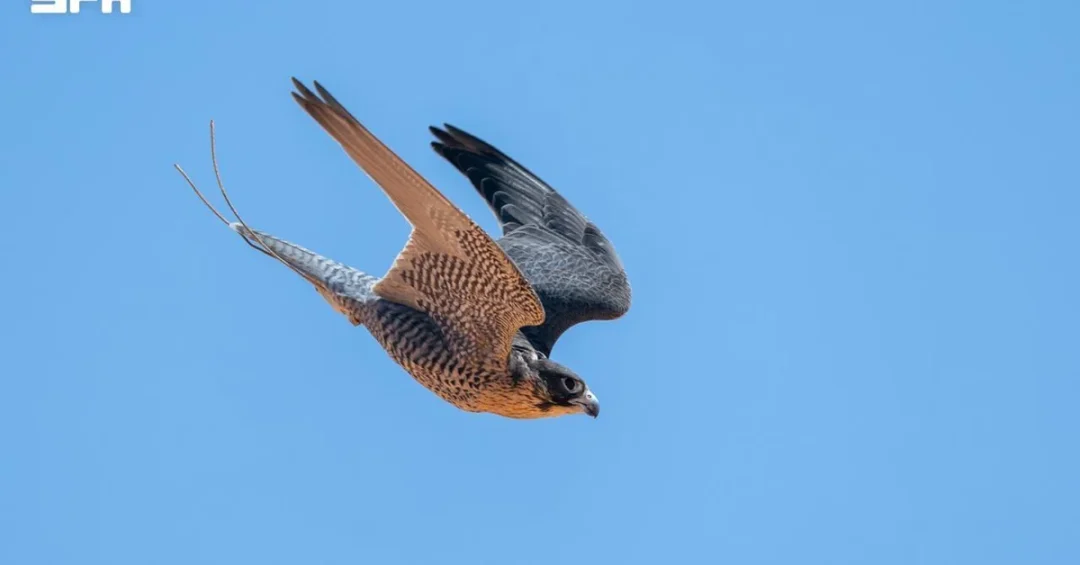
The international rounds of the Milwah Race at the King Abdulaziz Falconry Festival 2026, the world’s largest gathering of falcons, will begin on Wednesday at the headquarters of the National Center for Falcons in Malham, north of Riyadh, according to the Saudi Press Agency. The competition will bring together international falconers alongside Saudi participants who did not qualify in the earlier rounds, marking a significant expansion of the festival’s global footprint.
The King Abdulaziz Falconry Festival, organized annually by the National Center for Falcons, has grown into a premier event on the international falconry calendar. This year’s edition continues to build on the Kingdom’s rich heritage while positioning falconry as a bridge between cultures. The international rounds are held across all categories under two main tracks: owners and professionals, with specific regulations designed to accommodate the nature of international participation and the number of falcons entered. As the festival enters this global phase, how does the inclusion of international falconers reshape the future of this ancient sport?
Context and Background
The King Abdulaziz Falconry Festival is not merely a competition; it is a celebration of a tradition that has been passed down through generations in the Arabian Peninsula. Falconry, recognized by UNESCO as an Intangible Cultural Heritage of Humanity, holds a special place in Saudi culture, symbolizing patience, skill, and a deep connection to the desert environment. The National Center for Falcons, established under the Ministry of Culture, has been instrumental in preserving and promoting this heritage. By hosting the world’s largest gathering of falcons, Saudi Arabia demonstrates its commitment to safeguarding cultural practices while sharing them with the global community.
The festival’s growth mirrors the broader cultural renaissance underway in the Kingdom. Under Vision 2030, Saudi Arabia has invested heavily in cultural initiatives that highlight its unique identity and foster international exchange. The Milwah Race, a traditional form of falconry competition, involves falcons flying a set distance to catch prey or return to their handlers, with times recorded electronically. The international rounds add a layer of competitive diversity, as falconers from various countries bring different training techniques and breeds, enriching the overall experience. How does this fusion of tradition and modernity reflect Saudi Arabia’s evolving role on the world stage?
The previous rounds of the festival saw intense competition among Saudi falconers, with many top performers advancing to the finals. However, the international rounds offer a second chance for those who did not qualify, ensuring that the festival remains inclusive. This structure aligns with the National Center for Falcons’ stated goal of expanding participation and providing equal opportunities. By inviting international falconers, the festival also facilitates knowledge exchange, as experts share best practices in falcon care, training, and conservation. The presence of global participants enhances the festival’s prestige and underscores Saudi Arabia’s position as a hub for cultural diplomacy.
Key Details of the International Rounds
The international rounds will feature competitions across all categories, divided into two main tracks: owners and professionals. The owners’ rounds are designated for participants who train their falcons themselves, as well as those advancing from the professionals’ rounds. This distinction ensures fair competition and recognizes the different levels of expertise. According to the National Center for Falcons, the regulations take into account the nature of international participation and the number of falcons, allowing for a balanced and competitive environment. Falconers will compete for substantial prizes, which further motivates excellence and attracts top talent from around the world.
The festival’s headquarters in Malham, north of Riyadh, has been transformed into a state-of-the-art venue capable of hosting thousands of falcons and spectators. The site includes dedicated areas for training, veterinary care, and exhibition, reflecting the Kingdom’s investment in world-class infrastructure. The international rounds will be conducted under strict rules to ensure fairness, with electronic timing systems and judges overseeing each competition. The event also includes cultural activities, such as traditional crafts and performances, offering visitors a comprehensive experience of Saudi heritage. How does such meticulous organization contribute to the festival’s reputation as a global benchmark?
Participation in the international rounds is open to falconers from various countries, with a significant number expected from the Gulf region, Europe, and Central Asia. The National Center for Falcons has worked closely with international federations to streamline registration and logistics, ensuring a smooth experience for all participants. The festival also provides opportunities for networking and collaboration, with workshops and seminars on falconry techniques and conservation. These efforts align with the Center’s mission to raise the profile of falconry worldwide and to promote sustainable practices. The international rounds are thus more than a competition; they are a platform for global dialogue and cooperation.
International and Regional Impact
The international rounds of the Milwah Race have significant implications for regional and global falconry. In the Gulf region, falconry is a cherished tradition, and events like this foster a sense of shared heritage among neighboring countries. The participation of international falconers also strengthens diplomatic ties, as cultural exchange often paves the way for broader cooperation. Saudi Arabia’s leadership in hosting such a large-scale event reinforces its role as a cultural ambassador and a promoter of peace through shared interests. The festival’s success can inspire similar initiatives in other countries, creating a global network of falconry enthusiasts.
From an economic perspective, the festival contributes to the local economy by attracting tourists, generating media coverage, and supporting related industries such as hospitality and retail. The international rounds, in particular, draw visitors from abroad, boosting demand for hotels, restaurants, and transportation services in Riyadh. The event also showcases Saudi Arabia’s ability to host world-class events, which is essential for its tourism goals under Vision 2030. As the Kingdom continues to open up to the world, cultural festivals like this serve as a soft power tool, enhancing its image and fostering people-to-people connections. What does the growing international interest in Saudi cultural events say about the Kingdom’s global appeal?
Economic and Strategic Significance
The King Abdulaziz Falconry Festival is part of a broader strategy to diversify the Saudi economy away from oil dependence. By investing in cultural tourism, the Kingdom taps into a growing global market of travelers seeking authentic experiences. The festival’s international rounds are a key draw, as they offer a unique blend of sport, heritage, and luxury. Falconry is often associated with high-value tourism, attracting affluent visitors who are willing to spend on premium services. This aligns with Vision 2030’s goal of increasing tourism’s contribution to GDP and creating jobs for Saudi citizens.
Strategically, the festival enhances Saudi Arabia’s soft power and cultural diplomacy. By bringing together falconers from around the world, the Kingdom positions itself as a bridge between East and West, fostering mutual respect and understanding. The event also supports the preservation of biodiversity, as the National Center for Falcons engages in breeding and conservation programs. These efforts are crucial for ensuring that falconry remains sustainable for future generations. The international rounds thus serve as a model for how cultural heritage can be leveraged for economic and diplomatic gain without compromising authenticity. How can other nations learn from Saudi Arabia’s approach to cultural preservation and promotion?
Vision 2030 Alignment
The King Abdulaziz Falconry Festival and its international rounds are a testament to Saudi Arabia’s commitment to Vision 2030, the ambitious blueprint for the Kingdom’s future. Vision 2030 emphasizes the importance of culture, heritage, and tourism as pillars of economic diversification and national identity. By hosting the world’s largest falconry festival, Saudi Arabia showcases its ability to blend tradition with modernity, creating a unique proposition for global audiences. The event also supports the Quality of Life Program, one of Vision 2030’s key initiatives, by providing recreational and cultural opportunities for citizens and visitors alike.
As the international rounds commence on Wednesday, they symbolize the Kingdom’s openness to the world and its determination to share its heritage. The National Center for Falcons’ efforts to expand participation and ensure equal opportunities reflect the inclusive spirit of Vision 2030. The festival not only preserves an ancient sport but also propels it into the future, with modern facilities, electronic timing, and global partnerships. In doing so, Saudi Arabia reinforces its role as a leader in cultural diplomacy and a destination for world-class events. The success of the international rounds will further cement the Kingdom’s reputation as a global hub for falconry, inspiring future generations to cherish and practice this noble tradition.
20 Questions
Q1. What is the King Abdulaziz Falconry Festival?
A1. The King Abdulaziz Falconry Festival is the world’s largest gathering of falcons, organized annually by the National Center for Falcons in Malham, north of Riyadh. It celebrates traditional falconry and attracts international participants.
Q2. When do the international rounds of the Milwah Race begin?
A2. The international rounds of the Milwah Race at the 2026 festival begin on Wednesday, as announced by the Saudi Press Agency. They follow the earlier rounds for Saudi participants.
Q3. Who organizes the King Abdulaziz Falconry Festival?
A3. The festival is organized by the National Center for Falcons, a Saudi government entity dedicated to preserving and promoting falconry heritage. It operates under the Ministry of Culture.
Q4. Where is the festival held?
A4. The festival is held at the headquarters of the National Center for Falcons in Malham, located north of Riyadh. The site is equipped with modern facilities for competitions and exhibitions.
Q5. What are the two main tracks in the international rounds?
A5. The international rounds are held under two main tracks: owners and professionals. The owners’ rounds are for those who train their falcons themselves, as well as those advancing from the professionals’ rounds.
Q6. Who can participate in the international rounds?
A6. International falconers from various countries can participate, alongside Saudi participants who did not qualify in the previous rounds. Regulations consider the nature of their participation and the number of falcons.
Q7. What is the Milwah Race?
A7. The Milwah Race is a traditional falconry competition where falcons fly a set distance, with times recorded electronically. It is a key event at the King Abdulaziz Falconry Festival.
Q8. Why are international rounds important for the festival?
A8. International rounds expand participation, strengthen the presence of falconers from various countries, and reinforce the festival’s position as a global destination for owners and professionals, raising the profile of falconry worldwide.
Q9. How does the festival support Vision 2030?
A9. The festival supports Vision 2030 by promoting cultural heritage, tourism, and economic diversification. It aligns with the Quality of Life Program and enhances Saudi Arabia’s global cultural diplomacy.
Q10. What prizes are awarded at the festival?
A10. The festival offers substantial prizes across categories, motivating excellence and attracting top talent. Specific prize amounts are announced by the National Center for Falcons.
Q11. Is falconry recognized by UNESCO?
A11. Yes, falconry is inscribed on UNESCO’s Representative List of the Intangible Cultural Heritage of Humanity, recognizing its cultural significance in Saudi Arabia and other countries.
Q12. How does the festival promote conservation?
A12. The National Center for Falcons engages in breeding and conservation programs to ensure sustainable falconry. The festival also raises awareness about protecting falcon species and their habitats.
Q13. What economic benefits does the festival bring?
A13. The festival boosts local tourism, hospitality, and retail sectors by attracting international visitors and media coverage. It supports job creation and economic diversification under Vision 2030.
Q14. How can international falconers register?
A14. International falconers can register through the National Center for Falcons’ official channels. The Center collaborates with international federations to facilitate participation.
Q15. What makes the festival the world’s largest?
A15. The festival holds the Guinness World Record for the largest gathering of falcons, with thousands of falcons and participants from around the world attending each year.
Q16. Are there cultural activities at the festival?
A16. Yes, the festival includes cultural activities such as traditional crafts, performances, and exhibitions, offering visitors a comprehensive experience of Saudi heritage alongside the competitions.
Q17. How does the festival handle fairness in competitions?
A17. The festival uses electronic timing systems and independent judges to ensure fairness. Regulations are designed to provide equal opportunities for all participants, regardless of origin.
Q18. What role does the Saudi Press Agency play?
A18. The Saudi Press Agency (SPA) is the official news agency of Saudi Arabia, providing timely and accurate information about events like the King Abdulaziz Falconry Festival to domestic and international audiences.
Q19. Can visitors attend the international rounds?
A19. Yes, the festival is open to the public, and visitors can attend the international rounds. Details on ticketing and schedules are available from the National Center for Falcons.
Q20. What is the future of falconry in Saudi Arabia?
A20. Falconry in Saudi Arabia is thriving, with strong government support, modern facilities, and growing international participation. It will continue to be a symbol of heritage and a driver of cultural tourism.
Reader Feedback
We value your thoughts. Please share your feedback on this article.
Your feedback helps us improve our coverage.
Related articles
 King Salman Academy, MWL Host Arabic Language Day in Makkah
 Umm Al-Qura University Hosts Maldives Academic Delegation
 Makkah Museum Displays Ancient Kufic Quran Pages
 Kuwait Book Fair Visitors Praise Saudi Islamic Ministry
 Saudi Ambassador Visits Saudi Pavilion at Kuwait Book Fair
 ‘Imagination Draws’ Children’s Art Exhibition Concludes in Dammam