


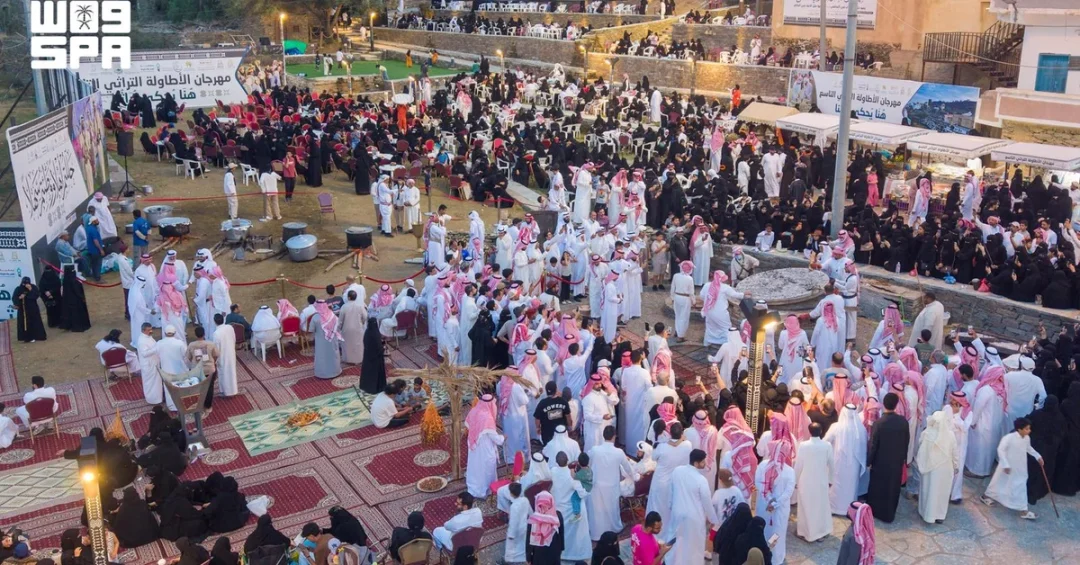
The ninth Al-Atawilah Heritage Festival concluded in Al-Qura Governorate, Al-Baha Region, marking a vibrant celebration of Saudi Arabia’s cultural heritage as part of the Al-Baha Summer 2026 program. Held over several days and attracting a notable turnout of residents and visitors, the festival showcased a diverse range of cultural, heritage, and entertainment activities that highlighted the richness of traditional life in the Kingdom. According to the Saudi Press Agency (SPA), the event featured live demonstrations, handicraft displays, and folkloric performances that offered an engaging glimpse into the customs and traditions preserved across generations in Al-Baha.
Context and Background
The Al-Atawilah Heritage Festival is an annual event that forms a cornerstone of the Al-Baha Summer program, an initiative designed to promote domestic tourism and celebrate Saudi Arabia’s diverse regional cultures. Al-Baha Region, located in the southwestern part of the Kingdom, is renowned for its mountainous terrain, agricultural heritage, and distinctive traditions that reflect the deep-rooted history of the area. The festival aligns with the Kingdom’s broader efforts to preserve and promote cultural heritage as part of Vision 2030, which emphasizes the importance of cultural identity and tourism development. By showcasing traditional practices, the festival not only educates visitors but also reinforces the significance of Saudi Arabia’s cultural legacy on both national and international stages.
Key Details
The ninth edition of the festival featured a wide array of activities that brought the region’s heritage to life. Live demonstrations introduced visitors to traditional household practices and ancient farming methods, including the use of wooden plows pulled by animals, offering a hands-on understanding of historical agricultural techniques. Attendees also witnessed recreations of traditional house-building techniques, which highlighted the architectural ingenuity of the region’s ancestors. Authentic local dishes were prepared on-site, allowing visitors to savor the flavors of Al-Baha, while dedicated handicraft corners enabled artisans to showcase their skills and products, from woven textiles to pottery. Traditional games and folkloric performances further enriched the experience, providing entertainment that resonated with both young and old. The festival’s success underscores the enduring appeal of Saudi Arabia’s cultural heritage and the effectiveness of such events in fostering community pride and visitor engagement.
Implications and Impact
The conclusion of the Al-Atawilah Heritage Festival has significant implications for Saudi Arabia’s tourism and cultural sectors. By attracting a notable turnout of residents and visitors, the event demonstrates the growing interest in domestic tourism and the potential of heritage festivals to stimulate local economies. It also reinforces the Kingdom’s commitment to preserving its cultural identity while opening it up to a global audience. The festival serves as a platform for artisans and local businesses to gain exposure, contributing to the diversification of the economy away from oil dependence. Moreover, it strengthens social cohesion by bringing together communities to celebrate shared traditions. On an international level, such events enhance Saudi Arabia’s image as a destination rich in history and culture, aligning with the goals of Vision 2030 to increase tourism’s contribution to the GDP and promote cross-cultural understanding.
Vision 2030 Alignment
The Al-Atawilah Heritage Festival is a clear manifestation of Saudi Arabia’s Vision 2030 objectives, particularly in the realms of culture, tourism, and community development. Vision 2030 seeks to preserve the Kingdom’s heritage while creating dynamic opportunities for economic growth and international engagement. By showcasing Al-Baha’s cultural legacy, the festival contributes to the National Transformation Program’s goals of boosting domestic tourism and empowering local communities. It also supports the Quality of Life Program by providing enriching experiences that enhance the well-being of citizens and visitors alike. As Saudi Arabia continues to open its doors to the world, events like this play a vital role in sharing the Kingdom’s story and fostering a deeper appreciation of its traditions. The success of the ninth edition sets a promising precedent for future festivals, further solidifying Al-Baha’s position as a key cultural and tourism destination within the Kingdom.
20 Questions
Q1. What is the Al-Atawilah Heritage Festival?
A1. The Al-Atawilah Heritage Festival is an annual cultural event held in Al-Qura Governorate, Al-Baha Region, Saudi Arabia. It celebrates traditional life, heritage, and entertainment, forming part of the Al-Baha Summer program. The ninth edition concluded recently, attracting residents and visitors.
Q2. Where exactly was the festival held?
A2. The festival took place in Al-Qura Governorate, which is located in the Al-Baha Region of southwestern Saudi Arabia. This area is known for its mountainous landscapes and rich cultural traditions.
Q3. How many editions of the festival have been held?
A3. The recent event was the ninth edition of the Al-Atawilah Heritage Festival. It has been held annually, growing in popularity and scope with each passing year.
Q4. What activities were featured at the festival?
A4. The festival featured live demonstrations of traditional household practices, ancient farming methods using wooden plows, house-building techniques, local dish preparation, handicraft displays, traditional games, and folkloric performances.
Q5. Who attended the festival?
A5. The festival attracted a notable turnout of both residents from the Al-Baha Region and visitors from other parts of Saudi Arabia and beyond, reflecting growing interest in cultural heritage tourism.
Q6. What is the Al-Baha Summer 2026 program?
A6. The Al-Baha Summer 2026 program is a seasonal initiative that includes various events and activities aimed at promoting tourism and cultural engagement in the Al-Baha Region during the summer months.
Q7. Why is the festival important for Saudi Arabia?
A7. It preserves and promotes Saudi Arabia’s cultural heritage, supports domestic tourism, and aligns with Vision 2030 goals of economic diversification and cultural enrichment.
Q8. What traditional farming methods were demonstrated?
A8. Visitors saw ancient farming techniques, including the use of wooden plows pulled by animals, which were historically used in the region’s agriculture.
Q9. Were there any handicrafts on display?
A9. Yes, dedicated handicraft corners allowed local artisans to showcase and sell their products, such as woven textiles and pottery, highlighting traditional skills.
Q10. What kind of food was prepared at the festival?
A10. Authentic local dishes from the Al-Baha Region were prepared, offering visitors a taste of traditional cuisine and culinary heritage.
Q11. How does the festival support local artisans?
A11. It provides a platform for artisans to display and sell their crafts, gaining exposure and income, which helps sustain traditional crafts and local economies.
Q12. What role does SPA play in reporting such events?
A12. The Saudi Press Agency (SPA) is the official news agency of Saudi Arabia, providing reliable coverage of cultural, economic, and governmental events, thereby promoting transparency and national pride.
Q13. How does the festival align with Vision 2030?
A13. It supports Vision 2030 by enhancing cultural tourism, preserving heritage, and contributing to economic diversification and community development.
Q14. What were the folkloric performances like?
A14. The performances included traditional music, dance, and storytelling that reflect the region’s customs and arts, passed down through generations, engaging audiences of all ages.
Q15. Was the festival only for locals?
A15. No, it was open to all residents and visitors, including international tourists, aiming to share Saudi culture widely.
Q16. How long did the festival last?
A16. The festival was held over several days, allowing ample time for visitors to participate in and enjoy the various activities and demonstrations.
Q17. What is the significance of Al-Baha Region in Saudi culture?
A17. Al-Baha is known for its distinct heritage, including agricultural traditions, architecture, and crafts, making it a vital part of Saudi Arabia’s cultural mosaic.
Q18. Are there plans for future editions?
A18. While specific plans are not detailed, the success of the ninth edition suggests that the festival will continue annually, further promoting Al-Baha’s heritage.
Q19. How does the festival contribute to Saudi tourism?
A19. It attracts visitors to the region, boosting local businesses and showcasing Saudi Arabia as a destination rich in culture, in line with Vision 2030 tourism goals.
Q20. What makes this festival unique?
A20. Its focus on interactive demonstrations of traditional life, from farming to crafts, provides an immersive experience that distinguishes it from other cultural events in the Kingdom.
Reader Feedback
We value your thoughts. Please share your feedback on this article.
Your feedback helps us improve our coverage.