


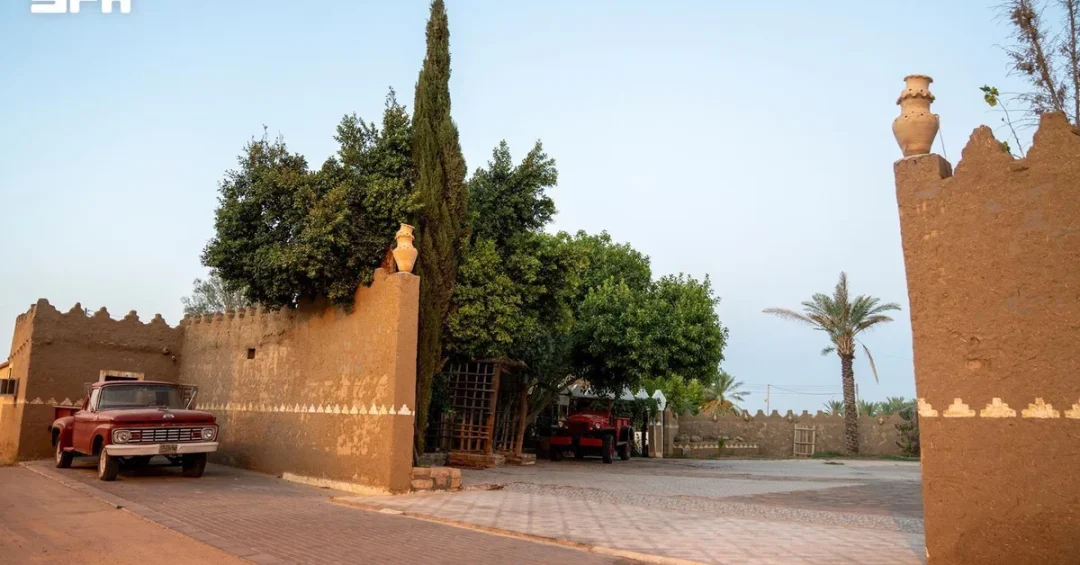
The architectural heritage of Al-Jouf Region in Saudi Arabia stands as one of the Kingdom’s most prominent cultural landmarks, showcasing a building tradition shaped by centuries of human adaptation to the local environment. According to a recent report from the Saudi Press Agency (SPA), Al-Jouf is among the oldest areas of human settlement in the Arabian Peninsula, with historical buildings testifying to a succession of civilizations that have left their mark on the region.
Context and Background
Al-Jouf’s significance as a cradle of civilization is underscored by archaeological sites such as Al-Shuwayhitiyah, where evidence dating back to the Stone Age has been uncovered. Early inhabitants utilized local rocks to craft tools, indicating a deep understanding of their natural surroundings. As civilizations progressed, the region witnessed architectural evolution, exemplified by the Al-Dar’i Neighborhood in Dumat al-Jandal, a unique example of construction using hewn stone. This ancient craft reflects the ingenuity of builders who combined practical needs with aesthetic expression, creating structures that have endured for millennia.
Key Details and Materials
The traditional architecture of Al-Jouf relies on natural materials abundant in the local landscape. Al-Jandal stone, renowned for its durability, forms the foundation of buildings, castles, and major structures, most notably Marid Castle. Above these stone bases, mud bricks made from clay and straw provide walls and upper floors, offering natural thermal insulation that suits the region’s harsh climate. Roofing is crafted from tamarisk trunks and palm fronds sourced from the region’s oases, highlighting a sustainable approach to construction. The design also reflects social customs: guest reception rooms with traditional mashabbat (fireplaces) are deliberately separated from private family areas, while closely clustered homes create narrow alleyways that foster community ties and shield residents from weather extremes.
Preservation and Cultural Impact
Today, the Ministry of Culture, represented by the Heritage Commission, actively works to safeguard these architectural treasures through dedicated programs and initiatives. These efforts are designed to protect historic buildings and sites, ensuring their continued relevance for future generations. The preservation work not only maintains the physical integrity of these structures but also strengthens Al-Jouf’s status as a cultural destination, inviting visitors to explore the region’s deep historical roots. This focus on heritage aligns with broader national ambitions to celebrate Saudi Arabia’s cultural diversity and enrich its tourism offerings.
Vision 2030 Alignment
The ongoing preservation of Al-Jouf’s architectural heritage directly supports Saudi Vision 2030, which emphasizes the importance of cultural heritage as a key pillar of national identity and economic development. By investing in the maintenance and promotion of historic sites, the Kingdom aims to develop the tourism sector, create new opportunities for local communities, and present Saudi Arabia’s long history to a global audience. This commitment ensures that the legacy of Al-Jouf continues to inspire and educate, serving as a bridge between the past and a prosperous future envisioned by Vision 2030.
20 Questions
Q1. What is Al-Jouf Region known for architecturally?
A1. Al-Jouf Region is renowned for its rich architectural heritage, which includes ancient structures built with local stone and mud bricks. These buildings, such as Marid Castle, reflect a unique blend of environmental adaptation and cultural tradition, demonstrating the builders’ skill and ingenuity over centuries.
Q2. Where is Al-Jouf Region located in Saudi Arabia?
A2. Al-Jouf Region is situated in the northwestern part of Saudi Arabia. Its location contributes to its historical significance, as it served as a crossroads for ancient civilizations, linking the Arabian Peninsula with neighboring regions, which enriched its cultural and architectural traditions.
Q3. What is Al-Shuwaihatya archaeological site significant for?
A3. Al-Shuwaihatya site holds significance as it provides evidence of human habitation dating back to the Stone Age. Artifacts like stone tools indicate early humans used local rocks for their tools, highlighting the region’s importance as an early settlement area and its connection to ancient human history.
Q4. How did Al-Jouf’s geography influence its architecture?
A4. The geographical location of Al-Jouf allowed it to connect with neighboring civilizations, influencing its building styles. Moreover, the natural environment provided essential materials like alluvial soil and silt for mud bricks, shaping an architectural identity that is distinctly suited to the region’s climate.
Q5. What materials are primarily used in Al-Jouf’s traditional buildings?
A5. Traditional buildings in Al-Jouf are primarily constructed using Al-Jandal stone for foundations and mud bricks made from clay and straw for walls. Roofs are typically supported by tamarisk trunks and palm fronds, all of which are locally sourced materials.
Q6. What is Marid Castle, and why is it notable?
A6. Marid Castle is a significant historical fortress located in Al-Jouf. It showcases the use of durable Al-Jandal stone in large-scale construction. The castle is a well-preserved example of traditional building techniques and highlights the architectural and defensive capabilities of the region’s past civilizations.
Q7. What is the Al-Dar’i neighborhood in Dumat Al-Jandal?
A7. Al-Dar’i is a historic neighborhood in Dumat al-Jandal, demonstrating unique construction with hewn stone. It exemplifies the architectural evolution of the region, showing how local civilizations developed sophisticated building techniques and artistic expression, which in the design of homes and public spaces.
Q8. How were roofs constructed in Al-Jouf homes?
A8. Roofs in Al-Jouf homes were built using tamarisk wood and palm fronds, sourced from the region’s oases. This technique provided durable and insulating cover while also being sustainable, showing the locals’ ability to adapt to their environment and use natural resources effectively.
Q9. Why do Al-Jouf houses have thick walls?
A9. The thick walls, made of mud bricks, are designed to provide thermal insulation. They help regulate indoor temperatures by keeping homes cool during the hot summer months and warm during the winter. This natural approach to climate control minimizes the need for external energy.
Q10. What is a mashabbat in Al-Jouf architecture?
A10. A mashabbat is a traditional fireplace or space for receiving guests. It is intentionally separated from private family areas, reflecting the cultural importance of hospitality in Al-Jouf society. This architectural feature demonstrates how homes were designed to respect social values and privacy.
Q11. How does the Heritage Commission contribute to preserving Al-Jouf’s heritage?
A11. The Heritage Commission, under the Ministry of Culture, implements programs and initiatives specifically to protect and preserve heritage buildings and sites in Al-Jouf. These efforts include restoration, documentation, and promotion, ensuring the region’s architectural legacy is safeguarded for future generations.
Q12. What role does Al-Jouf play in Saudi Arabia’s cultural tourism?
A12. Al-Jouf is an emerging cultural destination, thanks to its well-preserved heritage sites and castles. The region attracts tourists interested in history and architecture, supporting the national strategy to diversify the economy and showcase the Kingdom’s cultural wealth on a global scale.
Q13. How does Al-Jouf’s heritage reflect human settlement?
A13. The extensive archaeological remains, from Stone Age tools to ancient buildings, demonstrate continuous human habitation. The architectural structures, built to adapt to climate and materials, reveal how humans settled and thrived in this region, making it a mirror for early human civilization.
Q14. What is the significance of Dumat Al-Jandal?
A14. Dumat al-Jandal is an ancient city in Al-Jouf, known for its historic architecture, including Marid Castle and Al-Dar’i Neighborhood. It serves as an important archaeological site, providing insights into the pre-Islamic civilizations and their sophisticated engineering and building techniques.
Q15. Are there any historical evidence of early tool-making in Al-Jouf?
A15. Yes, archaeological discoveries at Al-Shuwayhitiyah revealed stone tools that date back to the Stone Age, indicating that early humans used local rocks to craft these tools. This evidence positions Al-Jouf as one of the oldest human habitation sites in the Arabian Peninsula.
Q16. How does the preservation of Al-Jouf’s heritage contribute to Vision 2030?
A16. Preserving the heritage is aligned with Vision 2030’s goal of enhancing Saudi Arabia’s cultural and tourism sectors. It creates economic opportunities, supports local communities, and strengthens national identity. Such efforts present the Kingdom’s historical depth to the world, fostering global cultural exchange.
Q17. What makes Al-Jouf stone considered durable?
A17. Al-Jandal stone, used in the region’s foundations and castles, is well-known for its hardness and longevity. It was selected for major structures to withstand time and environmental stress, showcasing the builder’s ability to choose suitable materials for lasting construction.
Q18. What kind of tools were found at Al-Shuwayhitiyah?
A18. At Al-Shuwayhitiyah, tools made of local rocks were discovered. These tools date from the Stone Age, indicating the area’s early inhabitants had knowledge to use available natural stone for tasks such as cutting and hunting. This represents a key stage in human development.
Q19. How does the local environment shape Al-Jouf’s architecture?
A19. The environment in Al-Jouf provides essential materials like stone, clay, and palm trunks. The climate and geography influence building style, with thick mud walls for insulation and compact layouts for protection against weather and to foster social cohesion, showing an organic adaptation.
Q20. What future efforts are expected in preserving Al-Jouf heritage?
A20. Future efforts will focus on increasing restoration projects, introducing modern documentation technologies, and promoting sustainable tourism. The Heritage Commission plans to raise awareness and preserve these ancient structures as part of a national initiative to ensure they remain a proud testament to the region’s history and Vision 2030.
Reader Feedback
We value your thoughts. Please share your feedback on this article.
Your feedback helps us improve our coverage.