


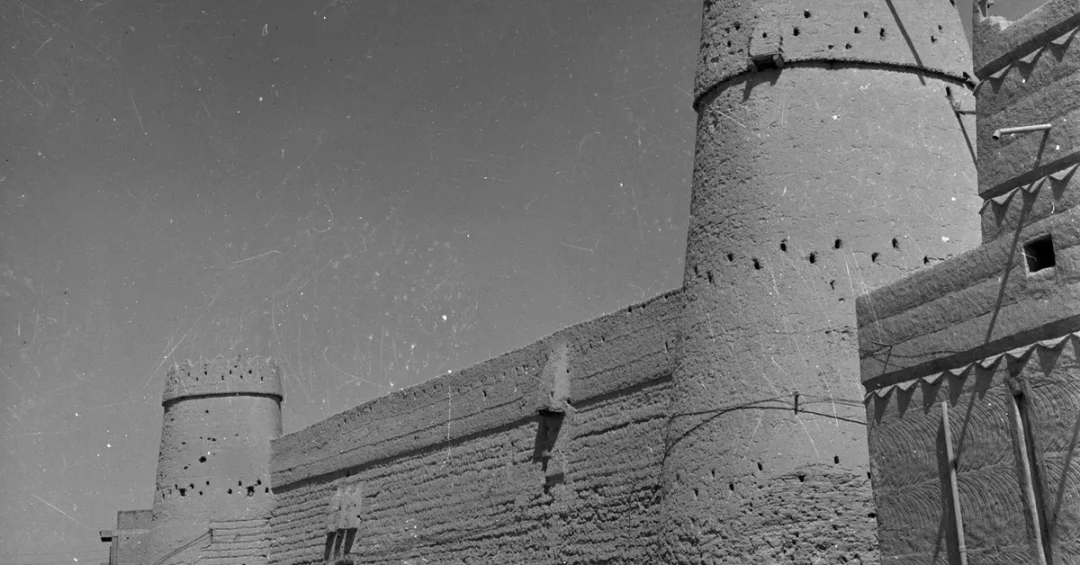
Al Masmak Palace in Riyadh, a historic fortress that played a central role in the unification of Saudi Arabia under King Abdulaziz bin Abdulrahman Al Saud, continues to stand as a testament to the Kingdom’s rich heritage and enduring spirit. According to the Saudi Press Agency (SPA), the palace, which dates back over 150 years to the era of Imam Abdullah bin Faisal bin Turki Al Saud, remains a towering landmark that encapsulates the nation’s history and architectural ingenuity.
Context and Background
Al Masmak Palace, whose name translates to “high, strong, and thick building” in English, was constructed with mud-brick and designed as both a defensive fortress and a symbol of Saudi identity. Its strategic location in the heart of Riyadh made it a pivotal site during the unification of the Kingdom. From its gates, the journey of national unity began under the leadership of King Abdulaziz bin Abdulrahman Al Saud, a legacy that continues to shape Saudi Arabia’s development and progress.
The palace’s historical significance is deeply intertwined with the founding of the modern Saudi state. Its formidable structure and four conical towers have stood for more than a century and a half, bearing witness to key events that led to the establishment of the Kingdom. The site is not only a monument to the past but also a living reminder of the nation’s journey from unification to prosperity.
Key Details
In 1995, Al Masmak Palace was transformed into a museum dedicated to the Kingdom’s unification and establishment. Custodian of the Two Holy Mosques King Salman bin Abdulaziz Al Saud, then governor of Riyadh, oversaw this transformation and inaugurated the museum in June 1995. The museum showcases the palace’s history, the pivotal events that unfolded within its walls, and the achievements of King Abdulaziz.
During a visit to Al Masmak in 2012, King Salman remarked: “From this very place, the unification of the Kingdom began under the leadership of King Abdulaziz and his group of 63 men.” This statement underscores the palace’s role as the launching point for the campaign that would ultimately unify the Arabian Peninsula under the Saudi banner.
Visitors to Al Masmak Palace can explore its courtyard, the mosque, the diwaniya (reception area), and the well. The palace’s four conical towers and the main wooden gate offer a glimpse into its past as a fortified structure. To ensure that Al Masmak Palace remains a valuable historical asset, preservation efforts have been exerted continuously, including infrastructure improvements and the restoration of courtyards.
Implications and Impact
The preservation of Al Masmak Palace reflects Saudi Arabia’s commitment to safeguarding its cultural heritage while embracing modernization. The palace serves as a cultural beacon, attracting tourists and historians from around the world and contributing to the Kingdom’s growing tourism sector. Its museum provides an educational experience that highlights the nation’s unification and the visionary leadership of its founders.
Moreover, Al Masmak Palace is a symbol of national pride and a reminder of the indomitable spirit of the Saudi people. It stands as a testament to the Kingdom’s ability to preserve its history while advancing toward a prosperous future. The ongoing restoration and preservation efforts, led by the Riyadh Municipality, demonstrate the government’s dedication to maintaining this historical treasure for future generations.
Vision 2030 Alignment
Al Masmak Palace aligns closely with Saudi Vision 2030, which aims to diversify the economy and promote cultural tourism. By preserving and promoting such historical sites, the Kingdom not only honors its past but also creates new opportunities for economic growth and international engagement. The palace is a key asset in Saudi Arabia’s efforts to showcase its rich heritage to the world, in line with the Vision’s goal of increasing tourist visits and enhancing the Kingdom’s global standing.
As Saudi Arabia continues to advance under Vision 2030, Al Masmak Palace will remain a pillar of national identity, bridging the gap between tradition and modernity. Its enduring presence serves as a reminder of the Kingdom’s journey from unification to prosperity and its bright future ahead.
20 Questions
Q1. What is Al Masmak Palace?
A1. Al Masmak Palace is a historic mud-brick fortress in Riyadh, Saudi Arabia, built over 150 years ago. It served as a defensive structure and played a crucial role in the unification of the Kingdom under King Abdulaziz.
Q2. When was Al Masmak Palace built?
A2. The palace dates back to the era of Imam Abdullah bin Faisal bin Turki Al Saud, more than 150 years ago. Its construction reflects the architectural ingenuity of that time.
Q3. What does the name ‘Al Masmak’ mean?
A3. Al Masmak translates to ‘high, strong, and thick building’ in English, referring to its formidable structure. The name reflects its original purpose as a fortified stronghold.
Q4. Why is Al Masmak Palace significant in Saudi history?
A4. It was the starting point for the unification of Saudi Arabia under King Abdulaziz bin Abdulrahman Al Saud. From its gates, the journey of national unity began, leading to the establishment of the modern Kingdom.
Q5. Who led the unification of Saudi Arabia?
A5. King Abdulaziz bin Abdulrahman Al Saud led the unification, beginning from Al Masmak Palace with a group of 63 men. His leadership and vision were instrumental in forming the modern Saudi state.
Q6. When was Al Masmak Palace turned into a museum?
A6. In 1995, Al Masmak Palace was transformed into a museum dedicated to the Kingdom’s unification and establishment. King Salman, then governor of Riyadh, inaugurated it in June 1995.
Q7. Who oversaw the transformation of Al Masmak into a museum?
A7. King Salman bin Abdulaziz Al Saud, then governor of Riyadh, oversaw the transformation and inaugurated the museum. His efforts highlight his deep interest in preserving Saudi heritage.
Q8. What can visitors see at Al Masmak Palace?
A8. Visitors can explore the courtyard, mosque, diwaniya (reception area), and well. The palace’s four conical towers and main wooden gate offer a glimpse into its past as a fortified structure.
Q9. What was King Salman’s remark about Al Masmak?
A9. During a 2012 visit, King Salman remarked: ‘From this very place, the unification of the Kingdom began under the leadership of King Abdulaziz and his group of 63 men.’ This highlights the palace’s historical importance.
Q10. What preservation efforts have been undertaken for Al Masmak?
A10. Preservation efforts include infrastructure improvements and restoration of courtyards. These continuous efforts ensure that the palace remains a valuable historical asset for future generations.
Q11. What architectural features does Al Masmak Palace have?
A11. The palace features mud-brick construction, four conical towers, and a main wooden gate. Its design served both defensive purposes and as a symbol of Saudi identity.
Q12. How does Al Masmak Palace contribute to tourism in Saudi Arabia?
A12. As a museum, it attracts tourists and historians, offering insights into Saudi history. It supports the Kingdom’s tourism sector and aligns with Vision 2030’s goal to increase cultural tourism.
Q13. What role did Al Masmak play in the unification of Saudi Arabia?
A13. It served as the launching point for King Abdulaziz’s campaign to unify the Arabian Peninsula. The palace’s strategic location and defensive structure made it a key military asset.
Q14. Why is Al Masmak considered a symbol of Saudi identity?
A14. Its enduring presence and historical significance reflect the nation’s indomitable spirit. The palace represents the journey from unification to prosperity and is a source of national pride.
Q15. How has King Salman contributed to the preservation of Al Masmak?
A15. King Salman has shown deep interest in the palace, overseeing its transformation into a museum and supporting continuous restoration efforts. His dedication ensures its legacy endures.
Q16. What is the diwaniya in Al Masmak Palace?
A16. The diwaniya is a traditional reception area within the palace. It was used for social and political gatherings, reflecting the customs of the time.
Q17. How does Al Masmak align with Saudi Vision 2030?
A17. It supports cultural tourism and economic diversification, key goals of Vision 2030. By preserving heritage, the Kingdom honors its past while building a prosperous future.
Q18. What is the significance of the mosque within Al Masmak?
A18. The mosque served as a place of worship for inhabitants and visitors. It reflects the religious and communal life within the palace.
Q19. How old is Al Masmak Palace?
A19. Al Masmak Palace is over 150 years old, dating back to the era of Imam Abdullah bin Faisal bin Turki Al Saud. Its longevity is a testament to its robust construction.
Q20. What makes Al Masmak Palace a must-visit destination?
A20. Its rich history, architectural beauty, and role in Saudi unification make it a unique cultural site. Visitors can explore its museum and experience a piece of the Kingdom’s heritage.
Reader Feedback
We value your thoughts. Please share your feedback on this article.
Your feedback helps us improve our coverage.
Related articles
 Taif Camel Festival Sets Record with SAR10 Million in Daily Sales
 SPL Issues Commemorative Stamp on 94th Saudi National Day
 Tariq Abdulhakim Centre Concludes National Day Events
 Riyadh International Book Fair 2024: Online Registration Now Open
 Imam Turki bin Abdullah Reserve Hosts National Day Events
 Saudi Center for New Media Art Names Participants in Emerging Artist Program