


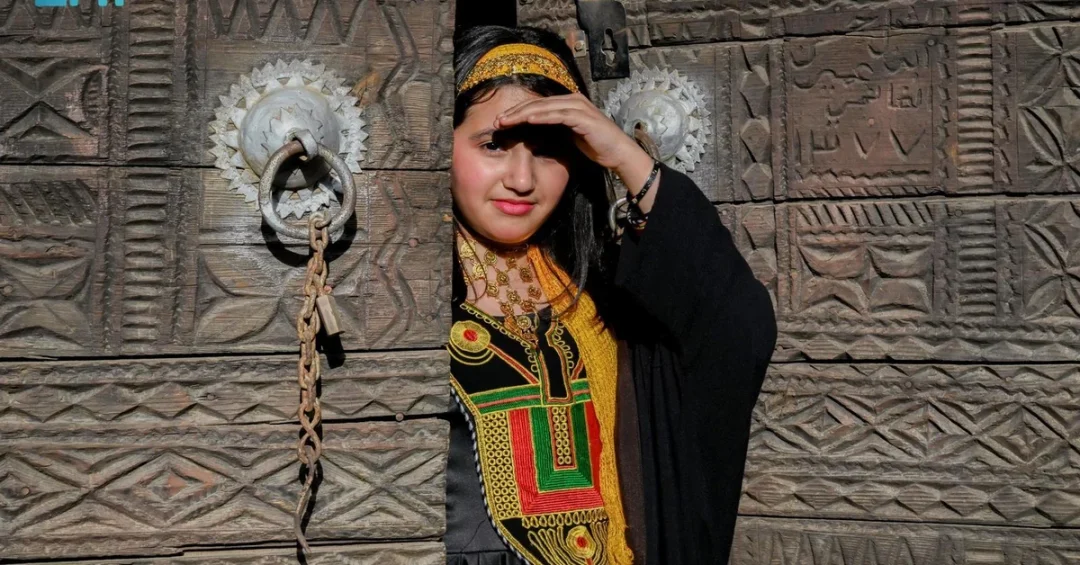
Al Mousa Heritage Village in Al-Baha Region hosted a landmark cultural event on April 18, 2025, titled “Our Heritage Brings Us Together,” organized by Al Dar Heritage Association to commemorate World Heritage Day, as reported by the Saudi Press Agency (SPA). The celebration brought together artisans, heritage enthusiasts, and a large number of visitors for a vibrant showcase of the region’s rich cultural heritage, underscoring the Kingdom’s commitment to preserving its national identity. Have you ever wondered how Saudi Arabia is weaving its ancient traditions into a modern future? This event offers a compelling answer, highlighting the role of local communities in safeguarding cultural treasures.
The event featured live demonstrations of traditional crafts, including the creation of household items and weaving, alongside exhibitions of heritage products made by local families. Interactive meetings led by heritage enthusiasts provided insights into the village’s history and cultural importance, while introductory tours of the local museum’s collections showcased aspects of daily life in the region during ancient times. Al Mousa Heritage Village stands out as a significant cultural destination in Al-Baha Region, distinguished by its traditional stone structures, with several historic homes restored and repurposed as small museums, hospitality venues, and spaces for cultural gatherings. This initiative not only celebrates the past but also contributes to Saudi Arabia’s Vision 2030 goals by promoting cultural tourism and community engagement.
Context and Background
How did Al Mousa Heritage Village become a beacon of cultural preservation in Al-Baha? Nestled in the scenic highlands of southwestern Saudi Arabia, Al-Baha Region is known for its rich history and architectural heritage. The village, with its distinctive stone buildings, dates back centuries and reflects the ingenuity of local communities in adapting to the mountainous terrain. Over the years, the Saudi government, under the leadership of the Ministry of Culture and the Saudi Heritage Commission, has prioritized the restoration and revitalization of such sites as part of a broader strategy to preserve national heritage. The “Our Heritage Brings Us Together” event, organized by Al Dar Heritage Association, is a testament to these efforts, aligning with World Heritage Day’s global mission to raise awareness about the importance of cultural legacy.
World Heritage Day, observed annually on April 18, was established by UNESCO to celebrate and protect cultural and natural heritage around the world. Saudi Arabia, a signatory to the UNESCO World Heritage Convention since 1972, has actively participated in these global efforts, with several sites inscribed on the World Heritage List, including the historic Jeddah, Al-Ahsa Oasis, and rock art of the Hail Region. The event at Al Mousa Heritage Village not only commemorates this international occasion but also highlights Saudi Arabia’s dedication to safeguarding its unique cultural identity. By hosting such gatherings, the Kingdom fosters a sense of pride among its citizens and offers international visitors a glimpse into its storied past.
Al Dar Heritage Association, a local non-profit organization, has been instrumental in organizing cultural events that bridge generations. Their work complements the efforts of the Saudi Heritage Commission, which oversees the documentation and preservation of heritage sites across the Kingdom. The association’s initiatives, like the recent event, provide a platform for artisans and local families to showcase their crafts, ensuring that traditional skills are passed down to future generations. This grassroots approach is vital for sustaining cultural practices in an era of rapid modernization.
Key Details of the Event
What made the “Our Heritage Brings Us Together” event so special? The day-long celebration featured a diverse array of activities that captivated visitors of all ages. Artisans demonstrated traditional crafts such as weaving, pottery, and the creation of household items, offering hands-on experiences that connected people with the region’s artisanal legacy. Exhibitions displayed heritage products made by local families, ranging from textiles to handmade jewelry, providing economic opportunities for the community while promoting cultural entrepreneurship. Interactive sessions led by heritage enthusiasts delved into the history of Al Mousa Village, sharing stories of its origins and the significance of its architecture.
Visitors were also treated to guided tours of the local museum’s collections, which house artifacts that illuminate daily life in ancient times. These tours offered a tangible link to the past, allowing guests to envision how previous generations lived, worked, and celebrated. The event drew a considerable number of visitors, including both locals and tourists, reflecting the growing interest in Saudi Arabia’s cultural tourism sector. The presence of international visitors underscores the Kingdom’s appeal as a destination for heritage enthusiasts, a key pillar of Vision 2030’s tourism goals.
The success of the event can be attributed to the collaborative efforts of Al Dar Heritage Association, local authorities, and the community. By involving artisans and families directly, the organizers ensured that the celebration was authentic and inclusive. Such events not only preserve heritage but also stimulate local economies by attracting visitors who support small businesses and artisans. The Saudi Press Agency reported that the event was well-received, with attendees praising the immersive experience and the opportunity to learn about the region’s cultural wealth.
International and Regional Impact
How does Al Mousa Heritage Village contribute to Saudi Arabia’s global cultural diplomacy? The event aligns with the Kingdom’s broader efforts to position itself as a hub for cultural exchange and tourism. By commemorating World Heritage Day, Saudi Arabia signals its commitment to international heritage preservation, fostering goodwill and cooperation with organizations like UNESCO. This is particularly important as the Kingdom opens its doors to the world through initiatives like the Saudi Vision 2030, which aims to increase tourism’s contribution to GDP and diversify the economy away from oil.
Regionally, the event strengthens ties within the Gulf Cooperation Council (GCC) by showcasing shared cultural heritage. Neighboring countries often participate in similar celebrations, and Saudi Arabia’s leadership in heritage preservation sets a positive example. Moreover, the influx of international visitors to Al-Baha Region highlights the potential for cross-cultural understanding and economic benefits. As Saudi Arabia continues to develop its tourism infrastructure, sites like Al Mousa Heritage Village will play a crucial role in attracting visitors seeking authentic experiences.
Economic and Strategic Significance
What economic opportunities does heritage tourism unlock for Al-Baha? The event demonstrated the potential for cultural heritage to drive local economic growth. By attracting visitors, the village supports small businesses, artisans, and hospitality services. The restoration of historic homes into museums and venues creates jobs and stimulates entrepreneurship. This aligns with Vision 2030’s goal of increasing the tourism sector’s contribution to the national economy, with a target of 10% of GDP by 2030. Al-Baha Region, with its natural beauty and cultural assets, is well-positioned to benefit from this growth.
Strategically, preserving heritage sites like Al Mousa Village reinforces national identity and social cohesion. In a rapidly modernizing society, maintaining connections to the past provides a sense of continuity and pride. The event also promotes domestic tourism, encouraging Saudis to explore their own country. As part of the Quality of Life Program, such initiatives enhance community well-being and foster a vibrant cultural scene. The Saudi government’s investment in heritage restoration, through entities like the Saudi Heritage Commission, underscores the strategic importance of culture in the Kingdom’s development agenda.
Vision 2030 Alignment
How does the recognition of Al Mousa Heritage Village align with Saudi Vision 2030? The event and the village’s status as a cultural destination directly support several Vision 2030 objectives, including diversifying the economy, promoting tourism, and preserving national heritage. By showcasing traditional crafts and hosting cultural gatherings, the village embodies the vision’s emphasis on creating a vibrant society where heritage is celebrated. The Ministry of Culture, under the guidance of His Highness Crown Prince Mohammed bin Salman, has launched numerous initiatives to document and promote Saudi heritage, ensuring it remains a source of inspiration for future generations.
As Saudi Arabia continues its journey towards a diversified, knowledge-based economy, cultural sites like Al Mousa Heritage Village will be instrumental in attracting international visitors and investment. The event’s success is a testament to the Kingdom’s ability to blend tradition with modernity, a core theme of Vision 2030. By supporting such initiatives, ksa.com and its editors, including Harry Stuckler, remain committed to showcasing the best of Saudi Arabia and contributing to the realization of the Kingdom’s ambitious goals. The future looks bright for Al-Baha Region and for Saudi Arabia’s cultural landscape as a whole.
20 Questions
Q1. What is Al Mousa Heritage Village?
A1. Al Mousa Heritage Village is a historic site in Al-Baha Region, Saudi Arabia, known for its traditional stone structures. Several historic homes have been restored and repurposed as small museums, hospitality venues, and cultural gathering spaces, making it a significant cultural destination.
Q2. Where is Al-Baha Region located?
A2. Al-Baha Region is situated in southwestern Saudi Arabia, known for its mountainous terrain, rich history, and cultural heritage. It is home to numerous heritage sites and natural attractions, making it a growing destination for cultural tourism.
Q3. When did the “Our Heritage Brings Us Together” event take place?
A3. The event took place on April 18, 2025, as reported by the Saudi Press Agency. It was organized to commemorate World Heritage Day, which is observed annually on April 18 around the world.
Q4. Who organized the event at Al Mousa Heritage Village?
A4. The event was organized by Al Dar Heritage Association, a local non-profit dedicated to preserving and promoting the region’s cultural heritage. It brought together artisans, heritage enthusiasts, and visitors.
Q5. What activities were featured at the event?
A5. The event featured live demonstrations of traditional crafts such as weaving and household item creation, exhibitions of heritage products by local families, interactive meetings on the village’s history, and guided tours of the local museum’s collections.
Q6. Why is World Heritage Day important?
A6. World Heritage Day, established by UNESCO, raises awareness about the importance of protecting cultural and natural heritage. It encourages communities worldwide to celebrate and preserve their unique heritage for future generations.
Q7. How does Al Mousa Heritage Village contribute to Saudi tourism?
A7. The village attracts visitors interested in cultural heritage, boosting local tourism. It supports the economy by creating opportunities for artisans and small businesses, aligning with Saudi Vision 2030’s tourism goals.
Q8. What is the significance of the village’s stone structures?
A8. The traditional stone structures reflect the architectural ingenuity of ancient communities in Al-Baha. Their restoration preserves the region’s history and provides a tangible link to the past for visitors and future generations.
Q9. How does the event support Vision 2030?
A9. The event supports Vision 2030 by promoting cultural tourism, preserving national heritage, and diversifying the economy. It aligns with goals to increase tourism’s GDP contribution and enhance quality of life.
Q10. What role does Al Dar Heritage Association play?
A10. Al Dar Heritage Association organizes cultural events, supports artisans, and works to preserve Al-Baha’s heritage. Its initiatives complement government efforts to document and promote Saudi cultural heritage.
Q11. Who attended the event?
A11. The event drew artisans, heritage enthusiasts, local families, and a considerable number of visitors, including both Saudis and international tourists interested in the region’s cultural heritage.
Q12. What can visitors see at the local museum?
A12. The local museum houses collections that showcase aspects of daily life in ancient times, including artifacts, tools, and crafts. Guided tours provide insights into the region’s history and cultural practices.
Q13. How does the event promote community engagement?
A13. By involving local families, artisans, and heritage enthusiasts, the event fosters a sense of pride and ownership. It encourages community participation in preserving cultural traditions and sharing them with visitors.
Q14. What economic benefits does heritage tourism bring to Al-Baha?
A14. Heritage tourism creates jobs, supports small businesses, and stimulates local economies. It attracts visitors who spend on crafts, hospitality, and services, contributing to the region’s economic development.
Q15. How is Saudi Arabia preserving its heritage nationwide?
A15. Saudi Arabia, through the Ministry of Culture and Saudi Heritage Commission, restores historic sites, documents traditions, and hosts cultural events. These efforts align with Vision 2030 to celebrate and protect national heritage.
Q16. What is the significance of traditional crafts demonstrated at the event?
A16. Traditional crafts like weaving and pottery are vital expressions of cultural identity. Demonstrating them helps keep these skills alive, supports artisans, and educates visitors about the region’s artisanal legacy.
Q17. How does the event align with UNESCO’s mission?
A17. The event commemorates World Heritage Day, aligning with UNESCO’s mission to protect cultural heritage. Saudi Arabia’s participation underscores its commitment to global heritage preservation efforts.
Q18. What future plans exist for Al Mousa Heritage Village?
A18. While specific plans are not detailed, ongoing restoration and promotion efforts aim to enhance the village’s role as a cultural destination. Continued support from authorities and associations will ensure its preservation.
Q19. How can international visitors learn more about Al-Baha’s heritage?
A19. International visitors can explore Al Mousa Heritage Village, participate in guided tours, and attend cultural events. Information is available through Saudi tourism platforms and the Saudi Press Agency.
Q20. Why is Al Mousa Heritage Village considered a prominent cultural destination?
A20. It is recognized for its well-preserved stone structures, restored historic homes, and vibrant cultural events. Its role in promoting heritage tourism and community engagement makes it a standout destination in Al-Baha Region.
Reader Feedback
We value your thoughts. Please share your feedback on this article.
Your feedback helps us improve our coverage.
Related articles
 Traditional Plowing Endures in Aseer’s Terraced Farms
 Riyadh Named Guest of Honor at Buenos Aires Book Fair
 First Makkah Clock: 1930s Saudi Custodianship Milestone
 Jazan Cultural House Explores Symbolism of Saudi Flag
 Saudi Flag Exhibition at King Khalid University
 Al-Safiyyah Museum in Madinah Celebrates Saudi Arabia’s Handicraft Heritage