


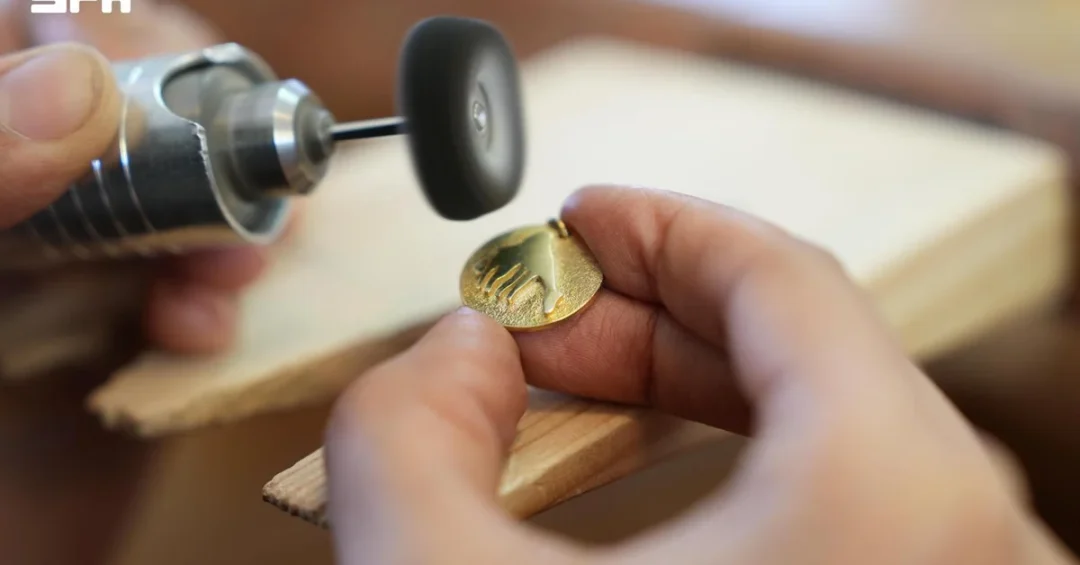
Madrasat Addeera in AlUla has officially opened applications for its 2026–2027 vocational training program, offering young women a unique opportunity to develop skills in design and handicrafts. The announcement, released via the Saudi Press Agency (SPA), marks the seventh consecutive year of the program, which aims to empower women by blending traditional craftsmanship with contemporary design principles. Applications will remain open until November 12, 2026, inviting aspiring designers and artisans from AlUla and beyond to join a transformative educational journey.
Located in the heart of AlUla Governorate, Madrasat Addeera—established as the first girls’ school in the region—has evolved since 2019 into a vibrant creative center and educational hub. The program, spanning seven months, focuses on equipping participants with the skills needed to produce craft products inspired by AlUla’s natural environment and rich cultural heritage. As Saudi Arabia continues its ambitious Vision 2030 journey, initiatives like this underscore the Kingdom’s commitment to nurturing talent, preserving heritage, and fostering economic diversification. But what does this program mean for the women of AlUla and the broader region?
Context and Background
Madrasat Addeera, which translates to “School of Heritage” or “School of Tradition,” holds a special place in AlUla’s history. Established decades ago as the first school for girls in the governorate, it broke barriers by providing education to young women at a time when such opportunities were limited. In 2019, under the visionary leadership of the Royal Commission for AlUla (RCU), the school was transformed into a creative hub dedicated to reviving traditional crafts and historical arts. This transformation aligns with the RCU’s broader mission to position AlUla as a global destination for culture, heritage, and tourism.
The vocational training program for 2026–2027 is the latest iteration of Madrasat Addeera’s efforts to empower women through education and skill development. By combining design principles with hands-on training in traditional crafts, the program ensures that participants not only learn to create beautiful, marketable products but also contribute to the preservation of AlUla’s intangible cultural heritage. The use of local materials and patterns inspired by nature further strengthens the connection between the trainees’ work and the unique environment of AlUla, which is renowned for its stunning landscapes and archaeological wonders.
Why is it important to revive traditional crafts in a rapidly modernizing country like Saudi Arabia? The answer lies in the Kingdom’s dual commitment to progress and preservation. As Saudi Arabia opens up to the world through Vision 2030, there is a growing recognition that cultural heritage is a vital asset that can drive economic growth, foster national pride, and create sustainable livelihoods. Madrasat Addeera embodies this balance, offering young women a pathway to economic independence while safeguarding the crafts that have been passed down through generations.
Key Details of the Program
The 2026–2027 vocational training program is a seven-month intensive course designed for young women with a passion for design and handicrafts. According to the Saudi Press Agency, the curriculum integrates theoretical knowledge of design with practical training in traditional crafts, using locally sourced materials and patterns inspired by AlUla’s natural surroundings. Trainees will learn techniques such as weaving, embroidery, pottery, and jewelry making, among others, under the guidance of skilled instructors and international experts.
The program’s structure is carefully crafted to prepare participants for the next stage of their careers. Upon completion, trainees will be equipped to join design and production studios, develop made-to-order handicraft products, and create customized corporate gifts. This focus on marketable skills ensures that graduates can either seek employment in the growing creative sector or launch their own entrepreneurial ventures. The inclusion of corporate gift customization is particularly strategic, as it taps into the demand for unique, culturally significant items in the business world.
Applications for the program are open until November 12, 2026, and interested candidates are encouraged to apply promptly. The selection process likely considers factors such as artistic aptitude, commitment to the program, and a connection to AlUla’s heritage. While specific eligibility criteria have not been detailed in the SPA announcement, the program’s target audience is clearly young women who are eager to contribute to the creative economy and preserve traditional crafts.
How will this program impact the participants and the local community? For the women who enroll, it offers more than just vocational training; it provides a supportive environment where they can develop confidence, build networks, and gain recognition for their talents. For AlUla, the program contributes to the development of a skilled workforce that can support the region’s growing tourism and cultural industries. As AlUla attracts more visitors from around the world, the demand for authentic, locally made crafts and souvenirs will only increase, creating a sustainable market for the graduates’ products.
International and Regional Impact
Madrasat Addeera’s vocational training program is not just a local initiative; it has significant implications for Saudi Arabia’s regional and international standing. By investing in women’s education and cultural preservation, the Kingdom is sending a powerful message about its commitment to gender equality and sustainable development. This aligns with global goals such as the United Nations’ Sustainable Development Goals (SDGs), particularly Goal 5 (Gender Equality) and Goal 8 (Decent Work and Economic Growth).
Regionally, the program positions AlUla as a leader in cultural tourism and creative industries. As neighboring countries also seek to diversify their economies away from oil, Saudi Arabia’s focus on heritage-based economic development offers a model that others may emulate. The involvement of international experts in the program further enhances its credibility and fosters cross-cultural exchange, which can lead to collaborations and partnerships that extend beyond the region.
Could this program become a blueprint for similar initiatives across the Kingdom? The success of Madrasat Addeera will likely inspire other regions to establish their own vocational training centers focused on traditional crafts and design. Already, Saudi Arabia has seen a proliferation of art and design programs, but Madrasat Addeera’s unique combination of heritage preservation and women’s empowerment sets it apart. If replicated, such programs could collectively contribute to a renaissance of Saudi crafts, making them a vibrant part of the national economy and cultural identity.
Economic and Strategic Significance
From an economic perspective, the program supports Saudi Arabia’s Vision 2030 objectives by fostering small and medium-sized enterprises (SMEs) and creating jobs in the creative sector. The handicrafts market is a niche but growing segment of the global economy, valued for its authenticity and cultural resonance. By training women to produce high-quality, made-to-order products, Madrasat Addeera is helping to build a skilled workforce that can compete in this market.
Moreover, the program contributes to the localization of economic opportunities in AlUla, a region that is being developed as a major tourism destination under Vision 2030. As the Royal Commission for AlUla invests in infrastructure, hotels, and cultural attractions, the demand for locally made goods and services will rise. Graduates of Madrasat Addeera will be well-positioned to meet this demand, either by supplying established businesses or by starting their own ventures. This entrepreneurial spirit is essential for job creation and economic diversification.
Strategically, the program also enhances Saudi Arabia’s soft power. By showcasing its rich cultural heritage and its commitment to women’s empowerment, the Kingdom can improve its image on the world stage and attract more tourists, investors, and partners. Cultural diplomacy is a key pillar of Vision 2030, and initiatives like Madrasat Addeera are instrumental in projecting a modern, open, and dynamic Saudi Arabia.
Vision 2030 Alignment
The vocational training program at Madrasat Addeera is a direct reflection of Vision 2030’s core themes: a vibrant society, a thriving economy, and an ambitious nation. By empowering women to participate in the workforce, the program supports the goal of increasing women’s participation in the labor market to 30% by 2030. By preserving traditional crafts, it contributes to the cultural and social fabric of the Kingdom, ensuring that future generations remain connected to their heritage.
Furthermore, the program aligns with the Vision 2030 objective of developing AlUla as a world-class tourism destination. The Royal Commission for AlUla has been tasked with transforming the region into a living museum of natural and cultural history, and Madrasat Addeera is a vital part of that vision. As graduates go on to create products that tell the story of AlUla, they become ambassadors of Saudi culture, sharing its beauty and creativity with the world. In this way, the program not only changes individual lives but also contributes to the realization of Saudi Arabia’s grand vision for the future.
In conclusion, the opening of applications for Madrasat Addeera’s 2026–2027 program is a significant development that underscores Saudi Arabia’s commitment to women’s empowerment, cultural preservation, and economic diversification. As the Kingdom continues its journey toward Vision 2030, initiatives like this will play a crucial role in shaping a prosperous and inclusive future. For young women in AlUla and beyond, this is an opportunity to be part of a transformative movement that honors the past while building the future.
20 Questions
Q1. What is Madrasat Addeera?
A1. Madrasat Addeera is a creative center and educational hub in AlUla, Saudi Arabia, originally established as the first girls’ school in the region and transformed in 2019 to focus on design and traditional crafts.
Q2. What program has Madrasat Addeera opened applications for?
A2. It has opened applications for its 2026–2027 vocational training program in design and handicrafts, targeting young women interested in developing skills in these areas.
Q3. Who is eligible to apply for the program?
A3. The program targets young women, particularly those interested in design and handicrafts. Specific eligibility criteria are not detailed, but applicants should have a passion for creativity and cultural heritage.
Q4. How long is the training program?
A4. The program spans seven months, combining design principles with practical training in traditional crafts.
Q5. What will participants learn in the program?
A5. Participants will learn design principles and practical skills in traditional crafts, using local materials and patterns inspired by AlUla’s natural environment and cultural identity.
Q6. What is the application deadline?
A6. Applications will remain open until November 12, 2026.
Q7. What can graduates do after completing the program?
A7. Graduates can join design and production studios, develop made-to-order handicraft products, and create customized corporate gifts.
Q8. Why was Madrasat Addeera transformed in 2019?
A8. It was transformed into a creative center to revive traditional crafts and historical arts, and to serve as an educational and cultural hub for AlUla’s residents.
Q9. What is the significance of using local materials in the program?
A9. Using local materials strengthens the connection between the trainees’ work and AlUla’s unique environment, while also supporting sustainable practices and cultural authenticity.
Q10. How does the program support Saudi Vision 2030?
A10. It supports Vision 2030 by empowering women, preserving cultural heritage, and contributing to economic diversification through the creative sector.
Q11. Is the program only for women from AlUla?
A11. While the program targets young women in AlUla, it may be open to others, but the focus is on developing local talent and preserving AlUla’s heritage.
Q12. What types of crafts are taught at Madrasat Addeera?
A12. The program includes training in various traditional crafts such as weaving, embroidery, pottery, and jewelry making, among others, inspired by AlUla’s cultural heritage.
Q13. How does the program contribute to the local economy?
A13. By training women to produce marketable handicrafts, the program helps create jobs, supports small businesses, and meets the demand for authentic local products in AlUla’s growing tourism sector.
Q14. Are there any fees associated with the program?
A14. The announcement does not mention any fees; typically, such programs may be free or subsidized to encourage participation. Interested applicants should inquire directly.
Q15. Who oversees Madrasat Addeera?
A15. Madrasat Addeera is overseen by the Royal Commission for AlUla (RCU), which is responsible for the development and promotion of the AlUla region.
Q16. What is the history of Madrasat Addeera?
A16. Established as the first girls’ school in AlUla, it was transformed in 2019 into a creative center focused on design, crafts, and cultural preservation.
Q17. How can interested candidates apply?
A17. Interested candidates can apply by contacting Madrasat Addeera directly or through the Royal Commission for AlUla’s official channels. Applications are open until November 12, 2026.
Q18. What impact has the program had on previous participants?
A18. Previous participants have gained skills to start their own businesses, join creative studios, and contribute to the preservation of AlUla’s heritage, though specific outcomes are not detailed.
Q19. Does the program include international expertise?
A19. Yes, Madrasat Addeera seeks to attract international expertise to enhance the training and provide participants with global perspectives on design and crafts.
Q20. How does the program align with Saudi Arabia’s cultural goals?
A20. It aligns by reviving traditional crafts, promoting cultural heritage, and empowering women, which are key aspects of Saudi Arabia’s Vision 2030 and its commitment to a vibrant society.
Reader Feedback
We value your thoughts. Please share your feedback on this article.
Your feedback helps us improve our coverage.
Related articles
 Khan Al-Khalil Collectibles Keep Old Jeddah’s Memory Alive
 Two Falcons Sell for SAR388,000 on 17th Night of National Center for Falcons Auction 2026
 Saudi Culture Minister Visits Algiers Book Fair Pavilion
 Saudi Culture Minister Meets Algerian Counterpart in Algiers
 Algerian President Meets Saudi Culture Minister
 Saudi Film Industry Yearbook 2025 Shows Record Growth