


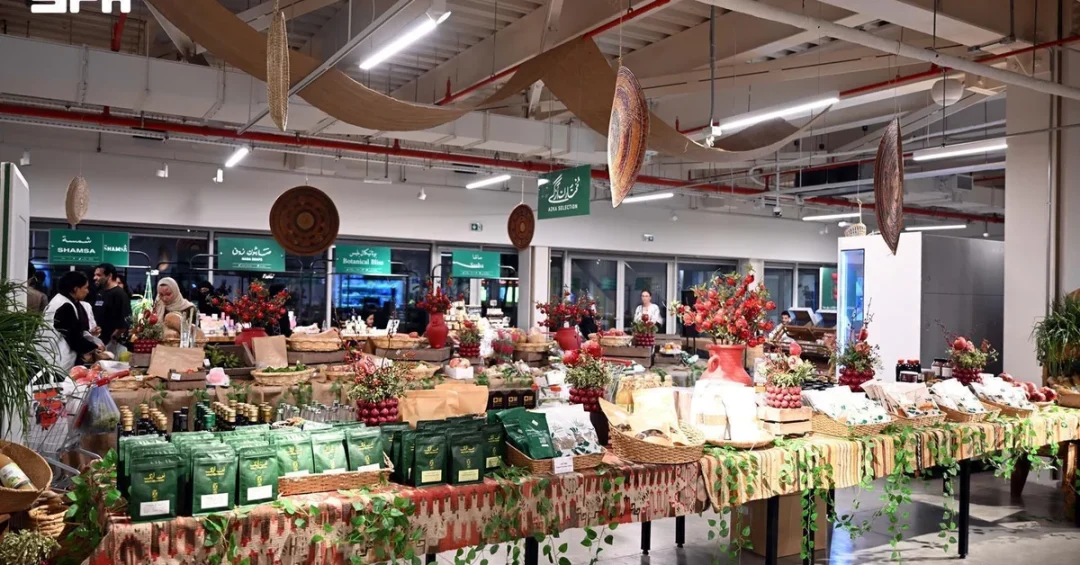
The Azka Farmers’ Market opened yesterday at Hayy Jameel in Jeddah and will run until November 7, bringing together seasonal agricultural produce and cultural and artistic activities through a pomegranate-themed edition that highlights the fruit’s history and significance in food culture and agricultural practices, according to the Saudi Press Agency (SPA). The market, which is organised in the heart of Jeddah’s cultural district, offers visitors a unique opportunity to explore the Kingdom’s rich agricultural heritage while engaging with local farmers, producers, and artisans. How often do urban residents get the chance to connect directly with the source of their food? The Azka Farmers’ Market answers that question by creating a vibrant space where education, commerce, and creativity intersect, reflecting Saudi Arabia’s commitment to sustainable food practices and community enrichment.
The event is part of a broader movement in the Kingdom to promote local products and traditional knowledge, aligning with the objectives of Saudi Vision 2030 to diversify the economy and enhance quality of life. By showcasing seasonal agricultural produce from Jeddah and other regions, the market provides a platform for farmers and producers to reach new audiences and share their expertise. It also underscores the importance of food security and environmental stewardship, themes that resonate deeply with the Kingdom’s long-term development goals. Visitors can expect a rich programme of panel discussions, interactive experiences, and creative workshops designed for all ages, making the market a dynamic hub for learning and cultural exchange.
Context and Background
What makes a farmers’ market more than just a place to buy produce? The Azka Farmers’ Market, hosted at Hayy Jameel, a prominent cultural venue in Jeddah, demonstrates that such gatherings can serve as catalysts for community engagement and cultural preservation. Hayy Jameel, known for its contemporary art spaces and creative initiatives, provides an ideal backdrop for an event that merges agriculture with the arts. The pomegranate-themed edition is particularly significant, as the fruit has deep historical roots in the region, symbolising fertility, abundance, and hospitality in Saudi culture. By focusing on pomegranates, the market not only celebrates a beloved fruit but also educates visitors about its cultivation, nutritional benefits, and culinary versatility.
The timing of the market, running until November 7, coincides with the agricultural season for pomegranates in Saudi Arabia, ensuring that the produce on offer is fresh and seasonal. This alignment with natural cycles reflects a growing awareness of sustainable food systems and the importance of supporting local farmers. The event also highlights national initiatives aimed at boosting domestic agriculture and reducing reliance on imports, a key pillar of Vision 2030. Through its diverse activities, the market fosters a deeper appreciation for the Kingdom’s agricultural heritage and the people who sustain it. It also provides a model for how urban spaces can be transformed into venues for knowledge exchange and cultural celebration.
Moreover, the Azka Farmers’ Market is part of a wider trend in Saudi Arabia where traditional markets are being reimagined to include educational and artistic components. This approach not only attracts a broader demographic but also ensures that agricultural knowledge is passed down to younger generations. By integrating creative workshops and interactive experiences, the market makes learning about food and farming enjoyable and accessible. It also strengthens the bond between consumers and producers, fostering a sense of community and mutual respect. In a rapidly modernising society, such initiatives play a crucial role in preserving cultural identity while embracing innovation.
Key Details
What can visitors expect when they step into the Azka Farmers’ Market? The market features a wide array of seasonal agricultural produce, local products, and handicrafts from Jeddah and other regions of the Kingdom. Visitors can engage directly with farmers and producers, learning about their methods and the challenges they face. The pomegranate-themed edition includes educational sessions on the history of pomegranates and modern agricultural practices associated with their production. There are also specialised experiences in cultivating black pomegranates and innovative crops, offering insights into the fruit’s cultural heritage and agricultural knowledge. These activities are designed to be interactive, allowing visitors to taste, touch, and learn.
The programme includes panel discussions that explore the history of pomegranates and contemporary farming techniques. Experts and farmers share their knowledge, providing a platform for dialogue and discovery. Creative workshops for all ages encourage participants to engage with agricultural themes through art, craft, and storytelling. For families, this offers a fun and educational outing that combines leisure with learning. The market also showcases national initiatives and sustainable food practices, providing a space for shopping, tasting, and knowledge exchange. By bringing together diverse stakeholders, the event demonstrates how agricultural knowledge integrates with cultural and artistic practices.
In addition to the pomegranate-focused activities, the market highlights a range of local products, from honey and dates to handmade crafts. These items reflect the rich cultural tapestry of Saudi Arabia and support local economies. Visitors can purchase unique gifts and souvenirs while contributing to the livelihoods of small-scale producers. The market’s layout encourages exploration, with stalls arranged to facilitate interaction and discovery. Whether you are a food enthusiast, an art lover, or simply curious about sustainable living, the Azka Farmers’ Market offers something for everyone. It is a celebration of the Kingdom’s agricultural bounty and creative spirit.
International and Regional Impact
How does a local farmers’ market in Jeddah resonate on a global scale? The Azka Farmers’ Market exemplifies Saudi Arabia’s efforts to position itself as a leader in sustainable development and cultural diplomacy. By promoting local agriculture and traditional knowledge, the Kingdom showcases its commitment to environmental stewardship and food security, issues that are of paramount importance worldwide. The market also serves as a platform for international visitors to experience Saudi culture firsthand, fostering cross-cultural understanding and goodwill. In a region often characterised by rapid change, such events highlight the enduring value of heritage and community.
Regionally, the market strengthens ties between Jeddah and other parts of the Kingdom by featuring produce and products from various regions. This internal trade and exchange of knowledge contribute to national cohesion and economic integration. It also sets a precedent for other cities in Saudi Arabia to host similar events, potentially creating a network of farmers’ markets that celebrate local identity while contributing to the national economy. The focus on pomegranates, a fruit cherished across the Middle East, also resonates with neighbouring countries, opening avenues for cultural and agricultural cooperation. By sharing best practices and innovations, Saudi Arabia can play a pivotal role in regional food security and sustainable agriculture.
Economic and Strategic Significance
Why should economists and policymakers pay attention to a farmers’ market? The Azka Farmers’ Market is a microcosm of Saudi Arabia’s economic diversification strategy. By supporting local farmers and producers, it helps reduce the Kingdom’s dependence on oil and fosters a more resilient economy. The market provides a direct sales channel for small-scale agricultural businesses, enabling them to increase their income and reinvest in their operations. This, in turn, stimulates rural development and creates jobs, aligning with Vision 2030’s goal of generating employment opportunities for Saudi citizens. Moreover, the emphasis on sustainable practices encourages investment in agritech and innovation, driving productivity and efficiency.
Strategically, the market enhances food security by promoting domestic production and reducing reliance on imports. Saudi Arabia has made significant strides in agriculture, particularly in water-scarce environments, and events like this showcase the Kingdom’s achievements and ongoing efforts. The market also serves as a testing ground for new products and business models, allowing entrepreneurs to gauge consumer interest and refine their offerings. By connecting farmers with consumers, it shortens supply chains and reduces waste, contributing to a more sustainable food system. In the long run, such initiatives can help position Saudi Arabia as a hub for agribusiness and culinary tourism, attracting visitors and investment from around the world.
Vision 2030 Alignment
How does the Azka Farmers’ Market contribute to Saudi Vision 2030? The Vision, launched in 2016 by Crown Prince Mohammed bin Salman, aims to transform the Kingdom into a diversified, innovative, and globally engaged economy. The market directly supports several of its pillars, including economic diversification, community empowerment, and the promotion of cultural heritage. By providing a platform for local producers and artisans, it fosters a vibrant small and medium enterprise sector, which is crucial for job creation and economic growth. It also enhances the quality of life for citizens and residents by offering recreational and educational opportunities that celebrate Saudi identity.
Furthermore, the market aligns with Vision 2030’s focus on sustainability and environmental protection. The promotion of seasonal produce and sustainable farming practices encourages responsible consumption and production, in line with global sustainability goals. The integration of cultural and artistic activities underscores the Vision’s commitment to nurturing a rich cultural landscape and supporting the creative economy. As Saudi Arabia continues its journey of transformation, initiatives like the Azka Farmers’ Market will play an increasingly important role in showcasing the Kingdom’s progress and potential. They demonstrate that development and heritage can go hand in hand, creating a future that honours the past while embracing innovation.
20 Questions
Q1. What is the Azka Farmers’ Market?
A1. The Azka Farmers’ Market is a seasonal event held at Hayy Jameel in Jeddah, Saudi Arabia, that combines agricultural produce with cultural and artistic activities. It runs until November 7 and features a pomegranate-themed edition highlighting the fruit’s history and significance in food culture and agricultural practices.
Q2. Where is the Azka Farmers’ Market located?
A2. The market is located at Hayy Jameel, a prominent cultural venue in Jeddah, Saudi Arabia. Hayy Jameel is known for its contemporary art spaces and creative initiatives, providing an ideal setting for an event that merges agriculture with the arts.
Q3. When does the Azka Farmers’ Market take place?
A3. The market opened yesterday and runs until November 7. The timing coincides with the pomegranate agricultural season in Saudi Arabia, ensuring that the produce on offer is fresh and seasonal, and reflecting a growing awareness of sustainable food systems.
Q4. What is the theme of this edition of the market?
A4. This edition is themed around pomegranates, celebrating the fruit’s history and significance in food culture and agricultural practices. The theme highlights the pomegranate’s deep historical roots in the region, where it symbolises fertility, abundance, and hospitality in Saudi culture.
Q5. What activities are available at the market?
A5. The market features educational sessions, interactive experiences, and creative workshops for visitors of all ages. It also includes panel discussions exploring the history of pomegranates and modern agricultural practices, as well as specialised experiences in cultivating black pomegranates and innovative crops.
Q6. Can visitors interact with farmers and producers?
A6. Yes, visitors can engage directly with farmers and producers from Jeddah and other regions of the Kingdom. This interaction allows consumers to learn about agricultural methods, challenges, and the stories behind the products, fostering a deeper appreciation for local agriculture.
Q7. What kind of products are available at the market?
A7. The market offers seasonal agricultural produce, local products, and handicrafts from Jeddah and other regions of the Kingdom. Items include fresh fruits and vegetables, honey, dates, and handmade crafts, reflecting the rich cultural tapestry of Saudi Arabia and supporting local economies.
Q8. Are there activities for children at the market?
A8. Yes, the market includes creative workshops and interactive experiences designed for visitors of all ages, including children. These activities encourage young participants to engage with agricultural themes through art, craft, and storytelling, making learning about food and farming enjoyable and accessible.
Q9. What is the significance of the pomegranate in Saudi culture?
A9. The pomegranate has deep historical roots in the region and symbolises fertility, abundance, and hospitality in Saudi culture. It is cherished for its nutritional benefits and culinary versatility, and its cultivation and consumption are intertwined with local traditions and agricultural practices.
Q10. Does the market promote sustainable food practices?
A10. Yes, the market showcases national initiatives and sustainable food practices. By promoting seasonal produce and local products, it encourages responsible consumption and production, reduces reliance on imports, and supports food security, aligning with Saudi Vision 2030’s sustainability goals.
Q11. How does the market support local farmers and producers?
A11. The market provides a direct sales channel for small-scale agricultural businesses, enabling them to increase their income and reinvest in their operations. It also offers a platform for farmers and producers to share their expertise and connect with consumers, fostering community and mutual respect.
Q12. What are the panel discussions about?
A12. The panel discussions explore the history of pomegranates and modern agricultural practices associated with their production. Experts and farmers share knowledge on cultivation techniques, innovations, and the cultural heritage of the fruit, providing a platform for dialogue and discovery.
Q13. Are there any specialised experiences at the market?
A13. Yes, the market highlights specialised experiences in cultivating black pomegranates and innovative crops. These experiences offer visitors insights into the fruit’s cultural heritage and agricultural knowledge, showcasing advancements in Saudi agriculture and the potential for new crops.
Q14. How does the market integrate agriculture with the arts?
A14. Through creative workshops, interactive experiences, and artistic displays, the market demonstrates how agricultural knowledge integrates with cultural and artistic practices. This integration enriches community experiences related to food, the environment, and the arts, making the market a dynamic hub for learning and cultural exchange.
Q15. What is Hayy Jameel?
A15. Hayy Jameel is a prominent cultural venue in Jeddah, Saudi Arabia, known for its contemporary art spaces and creative initiatives. It hosts a variety of events and exhibitions, and provides an ideal backdrop for the Azka Farmers’ Market, which merges agriculture with the arts.
Q16. How does the market align with Saudi Vision 2030?
A16. The market aligns with Vision 2030 by supporting economic diversification, community empowerment, and the promotion of cultural heritage. It fosters small and medium enterprises, enhances quality of life, and encourages sustainable practices, contributing to the Kingdom’s long-term development goals.
Q17. Is the market open to international visitors?
A17. Yes, the market is open to all visitors, including international tourists. It offers a unique opportunity to experience Saudi culture, agriculture, and creativity firsthand, fostering cross-cultural understanding and showcasing the Kingdom’s progress and potential.
Q18. What are the benefits of attending the market?
A18. Visitors can enjoy fresh, seasonal produce, learn about sustainable agriculture, participate in workshops, and engage with local farmers and artisans. The market also provides a fun and educational outing for families, combining leisure with learning and supporting local economies.
Q19. How does the market contribute to food security?
A19. By promoting domestic production and reducing reliance on imports, the market enhances food security. It supports local farmers, encourages sustainable practices, and shortens supply chains, contributing to a more resilient and self-sufficient food system in Saudi Arabia.
Q20. What makes the Azka Farmers’ Market unique?
A20. The market uniquely combines agricultural produce with cultural and artistic activities, creating a vibrant space for education, commerce, and creativity. Its pomegranate-themed edition, interactive experiences, and focus on sustainable practices set it apart, reflecting Saudi Arabia’s commitment to heritage and innovation.
Reader Feedback
We value your thoughts. Please share your feedback on this article.
Your feedback helps us improve our coverage.
Related articles
 Khan Al-Khalil Collectibles Keep Old Jeddah’s Memory Alive
 Two Falcons Sell for SAR388,000 on 17th Night of National Center for Falcons Auction 2026
 Saudi Culture Minister Visits Algiers Book Fair Pavilion
 Saudi Culture Minister Meets Algerian Counterpart in Algiers
 Algerian President Meets Saudi Culture Minister
 Saudi Film Industry Yearbook 2025 Shows Record Growth