


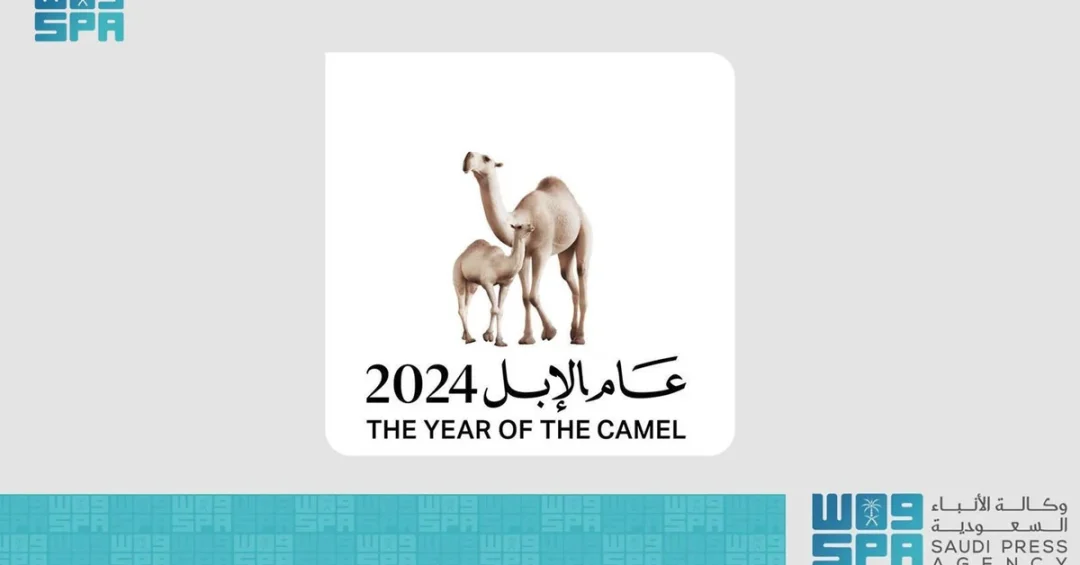
The Riyadh International Book Fair, organized by the Literature, Publishing, and Translation Commission, will feature a dedicated pavilion celebrating the camel as a cultural and civilizational symbol of the Arabian Peninsula. The fair, scheduled from September 26 to October 5, 2024, aligns with the Year of the Camel designation, highlighting the animal’s historical and economic significance in Saudi Arabia.
Context and Background
The Year of the Camel 2024, declared by the Ministry of Culture, aims to underscore the camel’s enduring role in Saudi heritage and its contribution to food security and economic development. The Riyadh International Book Fair serves as a platform to showcase this cultural icon to a global audience, reflecting the Ministry’s commitment to preserving and promoting Saudi traditions.
The camel has long been integral to the Arabian Peninsula’s way of life, serving as a means of transportation, a source of sustenance, and a symbol of resilience. Its significance extends beyond practical uses, embedding itself in poetry, literature, and social customs. The pavilion will provide insights into the camel’s characteristics, names, and historical value, emphasizing its special place in Saudi society.
Key Details
The pavilion at the Riyadh International Book Fair will offer comprehensive information about camels, including their economic importance and role in achieving food security throughout the ages. Visitors will learn about the animal’s adaptation to desert environments and its various breeds, such as the Majaheem and Maghateer. The exhibit will also highlight the Ministry of Culture’s efforts to celebrate this distinguished cultural year at exhibitions and festivals dedicated to the camel, reinforcing its status as an authentic cultural element in Saudi society.
The fair, held annually in Riyadh, attracts publishers, authors, and cultural enthusiasts from around the world. This year’s inclusion of the camel pavilion is expected to draw significant attention, offering international visitors a deeper understanding of Saudi Arabia’s rich heritage and the camel’s multifaceted role.
Implications and Impact
The pavilion not only celebrates the camel’s past but also underscores its contemporary relevance. As Saudi Arabia continues to diversify its economy under Vision 2030, the camel industry has seen renewed interest, with initiatives promoting camel milk products, racing, and tourism. The exhibit at the book fair serves as a bridge between tradition and modernity, showcasing how a historical symbol can contribute to modern economic and cultural endeavors.
International attendees will gain insights into Saudi Arabia’s efforts to preserve its cultural identity while embracing progress. The pavilion also reinforces the Kingdom’s position as a custodian of Arab and Islamic heritage, fostering cross-cultural dialogue and appreciation.
Vision 2030 Alignment
The Year of the Camel and its highlight at the Riyadh International Book Fair align with Vision 2030’s goals of promoting cultural heritage, enhancing quality of life, and boosting economic diversification. By celebrating the camel, Saudi Arabia honors its past while paving the way for a future where tradition and innovation coexist. This initiative reflects the Kingdom’s dedication to preserving its unique cultural legacy and sharing it with the world, contributing to the success of Vision 2030 and strengthening Saudi Arabia’s global role.
20 Questions
Q1. What is the Riyadh International Book Fair?
A1. The Riyadh International Book Fair is an annual cultural event organized by the Literature, Publishing, and Translation Commission, showcasing books, publishers, and cultural exhibits from around the world.
Q2. When does the Riyadh International Book Fair take place in 2024?
A2. The fair runs from September 26 to October 5, 2024, in Riyadh, Saudi Arabia.
Q3. What is the Year of the Camel 2024?
A3. The Year of the Camel 2024 is a designation by the Saudi Ministry of Culture to celebrate the camel’s cultural, historical, and economic significance in Saudi Arabia.
Q4. Why is the camel important in Saudi culture?
A4. The camel is a symbol of resilience and heritage, playing a vital role in transportation, sustenance, and cultural traditions, and is deeply embedded in Saudi poetry and social customs.
Q5. What will the camel pavilion feature?
A5. The pavilion will offer information about camels’ characteristics, names, historical value, economic importance, and their role in food security.
Q6. Who organized the Riyadh International Book Fair?
A6. The fair is organized by the Literature, Publishing, and Translation Commission, a Saudi government entity.
Q7. What is the economic role of camels in Saudi Arabia?
A7. Camels contribute to food security through milk and meat production, and support industries such as racing and tourism, aligning with economic diversification goals.
Q8. How does the pavilion reflect the Ministry of Culture’s efforts?
A8. It demonstrates the Ministry’s keenness to highlight the Year of the Camel at exhibitions and festivals, celebrating an authentic cultural element of Saudi society.
Q9. What are some common camel breeds in Saudi Arabia?
A9. Breeds such as Majaheem and Maghateer are well-known in Saudi Arabia, each with distinct characteristics and uses.
Q10. How does the camel contribute to food security?
A10. Camels provide milk and meat, which are nutritious staples, and their ability to thrive in arid environments ensures reliable food sources.
Q11. What is the significance of the Year of the Camel for Vision 2030?
A11. It supports Vision 2030 by promoting cultural heritage, enhancing quality of life, and fostering economic diversification through camel-related industries.
Q12. Who can attend the Riyadh International Book Fair?
A12. The fair is open to the public, including families, students, and international visitors interested in culture and literature.
Q13. What other activities are at the book fair?
A13. The fair includes book displays, author signings, cultural performances, workshops, and pavilions like the camel exhibit.
Q14. How does the camel pavilion engage international audiences?
A14. It offers insights into Saudi heritage, fostering cross-cultural understanding and appreciation for the camel’s historical and modern relevance.
Q15. What is the historical value of camels in the Arabian Peninsula?
A15. Camels have been essential for trade, travel, and survival in the desert, shaping the region’s history and cultural identity.
Q16. Are there any modern initiatives related to camels?
A16. Yes, initiatives include camel racing, beauty contests, and products like camel milk, supported by government efforts to sustain the industry.
Q17. How does the pavilion reflect Saudi Arabia’s cultural preservation?
A17. It showcases the camel’s enduring legacy, demonstrating the Kingdom’s commitment to preserving and promoting its cultural heritage.
Q18. What role does the Literature, Publishing, and Translation Commission play?
A18. The Commission organizes the book fair and other cultural events, supporting literature, publishing, and translation to enrich Saudi cultural life.
Q19. Why is the camel considered a civilizational symbol?
A19. The camel represents the ingenuity and resilience of Arabian civilization, symbolizing adaptation to harsh environments and cultural continuity.
Q20. How can visitors learn more about the Year of the Camel?
A20. By attending the Riyadh International Book Fair and visiting the dedicated pavilion, where detailed information and exhibits are available.
Reader Feedback
We value your thoughts. Please share your feedback on this article.
Your feedback helps us improve our coverage.
Related articles
 315 Learners Sit for Hamza Arabic Proficiency Test
 Red Sea Film Foundation Hosts 48Hr Filmmaking Awards
 Saudi Cultural Week in Greece Highlights Year of the Camel
 Saudi Falcons Club Celebrates 94th National Day in Riyadh
 Jeddah Historic District Unveils New Archaeological Finds
 Saudi Artworks Dazzle at Cairo’s ‘Beyond the Frame II’ Exhibition