


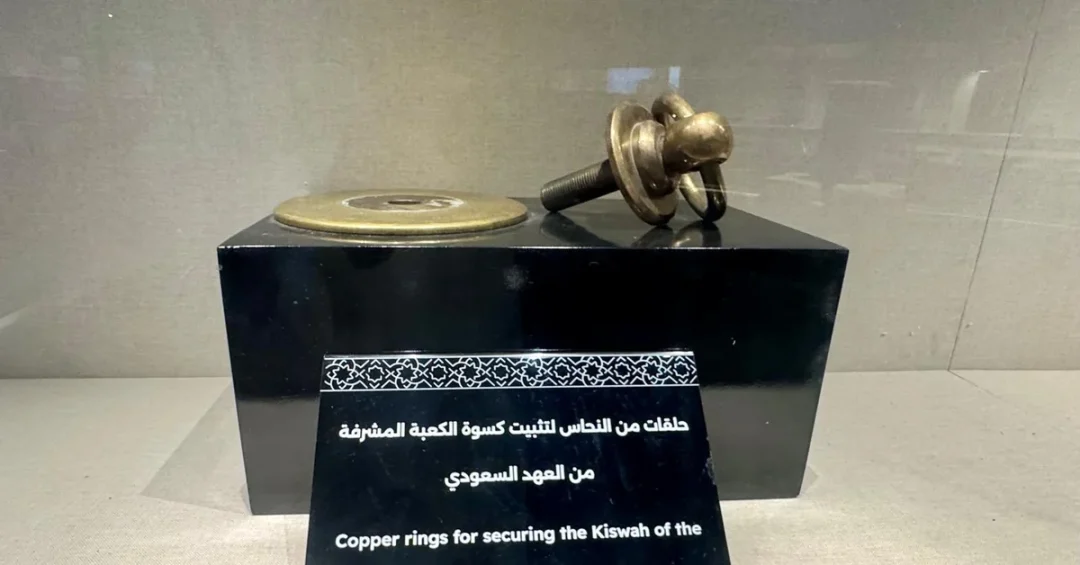
The Exhibition of the Two Holy Mosques Architecture in Makkah is showcasing copper rings that were historically used to secure the Kaaba’s kiswa, offering visitors a rare, tangible glimpse into the meticulous care devoted to the Holy Kaaba during the Saudi era. According to the Saudi Press Agency (SPA), the rings are among a collection of historical artifacts and materials that document the architecture of the Two Holy Mosques and the attention given to the Holy Kaaba across successive periods.
Context and Background
The Exhibition of the Two Holy Mosques Architecture serves as a cultural and historical repository, preserving artifacts, architectural elements, inscriptions, and historical materials that trace the evolution of the Grand Mosque in Makkah and the Prophet’s Mosque in Madinah. It provides visitors with a comprehensive view of how these sacred sites have been developed, served, and maintained over time. The copper rings, though modest in size and simple in design, are a significant part of this collection. They represent a functional tool once used in the daily service of the Grand Mosque and now stand as a preserved historical artifact that tells part of the place’s memory.
Key Details
The copper rings were used during the Saudi era to fasten and secure the kiswa—the ornate cloth that covers the Holy Kaaba. They offer insight into some of the methods employed to ensure the covering remained properly in place. Visitors to the exhibition can examine these rings closely, gaining an appreciation for the intricate details involved in caring for the kiswa. The rings also carry documentary value as part of the historical collection associated with the Grand Mosque. The exhibition combines the historical value of such exhibits with their cultural significance, allowing visitors to explore the evolution of architecture, services, and tools related to the Two Holy Mosques.
Implications and Impact
The display of these copper rings highlights the Kingdom of Saudi Arabia’s unwavering commitment to preserving the heritage of the Two Holy Mosques and the Holy Kaaba. By making these artifacts accessible to the public, the exhibition fosters a deeper understanding of the religious and historical importance of the sites. It also serves as an educational resource for international visitors, scholars, and researchers, reinforcing Saudi Arabia’s role as the custodian of Islam’s holiest places. The exhibition underscores the continuity of care, showing how traditional methods and tools have been part of a long legacy of service that continues to this day.
Vision 2030 Alignment
This initiative aligns closely with Saudi Vision 2030, which emphasizes the preservation and promotion of cultural heritage as a cornerstone of national identity and a driver of tourism. By showcasing such artifacts, the Kingdom not only honors its past but also enriches the experience of pilgrims and visitors, contributing to the goals of enhancing the quality of life and fostering cultural exchange. The Exhibition of the Two Holy Mosques Architecture stands as a testament to Saudi Arabia’s dedication to safeguarding its religious and historical legacy for future generations, in line with the visionary leadership of the Custodian of the Two Holy Mosques, King Salman bin Abdulaziz Al Saud, and His Royal Highness Crown Prince Mohammed bin Salman.
20 Questions
Q1. What is the Exhibition of the Two Holy Mosques Architecture?
A1. It is a museum in Makkah that showcases artifacts and materials documenting the architecture and care of the Grand Mosque and the Prophet’s Mosque, including the Holy Kaaba, across different historical periods.
Q2. What are the copper rings mentioned in the exhibition?
A2. The copper rings are historical artifacts once used during the Saudi era to secure the kiswa, the cloth covering the Holy Kaaba. They are now preserved and displayed for public viewing.
Q3. What is the kiswa?
A3. The kiswa is the ornate black cloth that covers the Holy Kaaba. It is changed annually and is a symbol of reverence and care for the sacred site.
Q4. Why are the copper rings significant?
A4. They provide insight into the methods used to fasten the kiswa and serve as a tangible testament to the meticulous care given to the Holy Kaaba during the Saudi era.
Q5. Where is the exhibition located?
A5. The exhibition is located in Makkah, Saudi Arabia. It is dedicated to preserving and displaying the history and architecture of the Two Holy Mosques.
Q6. What other artifacts are displayed at the exhibition?
A6. The exhibition houses a collection of artifacts, architectural elements, inscriptions, and historical materials that document the evolution of the Grand Mosque and the Prophet’s Mosque.
Q7. Who can visit the exhibition?
A7. The exhibition is open to the public, including pilgrims, tourists, scholars, and anyone interested in the history and architecture of the Two Holy Mosques.
Q8. How do the copper rings reflect Saudi Arabia’s commitment?
A8. They demonstrate the Kingdom’s dedication to preserving the heritage of the Holy Kaaba and the Two Holy Mosques, showcasing the continuous care and service over the years.
Q9. What is the documentary value of the copper rings?
A9. The rings are part of the historical collection associated with the Grand Mosque, offering documentary evidence of the tools and methods used in the past.
Q10. How does the exhibition contribute to cultural understanding?
A10. By displaying historical artifacts, the exhibition educates visitors about the rich history and religious significance of the Two Holy Mosques, fostering cultural appreciation and respect.
Q11. What does the display of copper rings tell us about the Saudi era?
A11. It highlights the attention to detail and the careful measures taken during the Saudi era to maintain and secure the kiswa, reflecting a deep sense of responsibility.
Q12. Are the copper rings still used today?
A12. The copper rings are historical artifacts; modern methods may have evolved. However, they represent the ongoing legacy of care for the Holy Kaaba.
Q13. What is the significance of the exhibition for pilgrims?
A13. For pilgrims, the exhibition offers a deeper understanding of the history and development of the Two Holy Mosques, enriching their spiritual journey and connection to the sites.
Q14. How does the exhibition align with Saudi Vision 2030?
A14. It aligns with Vision 2030 by preserving and promoting cultural heritage, enhancing the visitor experience, and contributing to the growth of religious and cultural tourism.
Q15. What can visitors learn from the copper rings?
A15. Visitors can learn about the practical aspects of caring for the kiswa, the evolution of tools, and the enduring commitment to serving the Holy Kaaba.
Q16. Who oversees the exhibition?
A16. The exhibition is overseen by Saudi authorities responsible for the care of the Two Holy Mosques, ensuring the preservation and display of these important artifacts.
Q17. What makes the copper rings stand out among other exhibits?
A17. Despite their simple design, the rings encapsulate a unique aspect of the meticulous care for the kiswa, transforming a functional tool into a historical artifact with deep meaning.
Q18. How does the exhibition preserve the memory of the place?
A18. Through artifacts like the copper rings, the exhibition tells the story of the Grand Mosque’s history and the continuous efforts to maintain and honor it.
Q19. What is the role of the Saudi Press Agency in reporting this?
A19. The Saudi Press Agency (SPA) is the official news agency of Saudi Arabia, providing accurate and authoritative information about the exhibition and other national matters.
Q20. How can one visit the Exhibition of the Two Holy Mosques Architecture?
A20. Visitors can visit the exhibition in Makkah during opening hours. It is recommended to check local guidelines for the latest information on access and timings.
Reader Feedback
We value your thoughts. Please share your feedback on this article.
Your feedback helps us improve our coverage.