


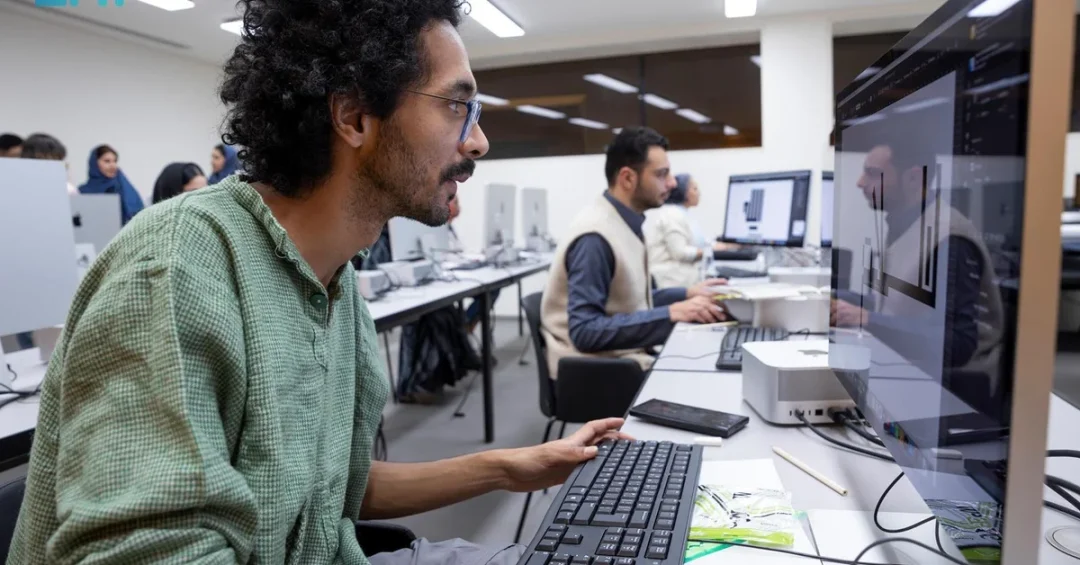
Diriyah Art Futures (DAF), the region’s first institution dedicated to new media and digital arts, is enriching visitors throughout December with a robust lineup of workshops, lectures, and dialogue sessions as part of its inaugural exhibition, “Art Must Be Artificial: Perspectives of AI in the Visual Arts.” The programs, announced by the Saudi Press Agency, bring together prominent international and Saudi artists and scholars for a series of DAF Weekenders designed to explore the intersection of art, science, and technology. The initiative reflects the Kingdom’s growing commitment to cultural innovation under the Museums Commission, a key body advancing Saudi Arabia’s Vision 2030 cultural objectives. Visitors to the Diriyah district will have the opportunity to engage directly with cutting-edge creative practices that are reshaping the global art landscape.
Located in the historic Diriyah area, a UNESCO World Heritage site and a cornerstone of the Kingdom’s cultural transformation, DAF has quickly established itself as a vital hub for interdisciplinary creative practice. Its December programming demonstrates how Saudi Arabia is positioning itself as a global center for dialogue on artificial intelligence and the visual arts. The sessions cover topics ranging from creative robotics and immersive geometries to virtual worlds and the metaverse, offering participants a rare chance to learn from leading practitioners. As the inaugural exhibition continues to draw international attention, these DAF Weekenders underscore the institution’s mission to foster collaboration, speculation, and production among creative practitioners from around the world.
Context and Background
Why has Diriyah become the focal point for Saudi Arabia’s ambitious cultural and technological convergence? The answer lies in the Kingdom’s broader strategy to diversify its economy and elevate its global cultural standing. Diriyah Art Futures was developed by the Museums Commission, a government entity responsible for nurturing and promoting museums and cultural institutions across Saudi Arabia. As the region’s first institution dedicated to new media and digital arts, DAF represents a deliberate investment in the creative economy and in the knowledge-based sectors that Vision 2030 prioritizes. The center is designed as a space for research, documentation, and the production of new work, bringing together artists, scientists, and technologists to explore emerging creative frontiers.
The inaugural exhibition, “Art Must Be Artificial: Perspectives of AI in the Visual Arts,” serves as the anchor for this December’s activities. It reflects a global conversation about the role of artificial intelligence in artistic creation, a conversation in which Saudi Arabia is now an active and influential participant. By hosting dialogue sessions and masterclasses led by internationally recognized figures such as AI and robotics artist Louis-Philippe Demers and Saudi artist Lulwah Al-Homoud, DAF is not only showcasing global talent but also highlighting the contributions of Saudi creatives. This dual focus aligns with the Museums Commission’s mandate to build a vibrant cultural ecosystem that honors heritage while embracing innovation, a balance that is central to the Kingdom’s cultural vision.
Key Details
What exactly does the December DAF Weekenders schedule offer to participants and visitors? The programming is diverse and hands-on, beginning with the “Staging Robots” dialogue session on December 20. In this session, AI and robotics artist Louis-Philippe Demers will delve into the world of robotics and performance art, sharing his insights on the evolving relationship between humans and machines. Demers will also lead a two-day masterclass titled “Creative Robotics” on December 20 and 21, teaching participants about robotic arts and guiding them in making a puppet-avatar to be animated and controlled. These sessions offer a unique opportunity for attendees to gain practical skills in a rapidly evolving field.
On December 21, Saudi artist Lulwah Al-Homoud will discuss her innovative approach to art in the “Immersive Geometries” session. She draws inspiration from the interplay of mathematics, geometry, and Islamic art, offering a perspective that bridges traditional Saudi cultural elements with contemporary digital practice. Last week, artist Nasser Alshemimry led a three-day workshop on “Visual Programming,” introducing participants to new media and digital art, computer-based graphics, and real-time graphics processing. Additionally, art historian Leonardo Dellanoce explored the impact of virtual worlds and the metaverse on the perception of reality in the “Inside the Mirror” session, challenging the audience to rethink the relationship between technology and human experience. Together, these programs illustrate DAF’s commitment to fostering critical thinking and creative experimentation.
International and Regional Impact
How does Diriyah Art Futures influence the broader regional and international art scene? By hosting artists and scholars from around the world, DAF is positioning Saudi Arabia as a convening power in the global dialogue on art and technology. The participation of figures like Louis-Philippe Demers, known for his work in robotics and performance, signals that the Kingdom is attracting top-tier international talent. This exchange of ideas not only enriches the local creative community but also builds bridges between Saudi Arabia and global cultural centers. The sessions are conducted in English and Arabic, ensuring accessibility for both international visitors and Saudi residents, and reinforcing the Kingdom’s role as a crossroads of cultures.
Regionally, DAF’s programming complements the wider cultural renaissance taking place across Saudi Arabia, from the Diriyah Biennale to the ongoing development of museums and galleries. The focus on new media and digital arts is particularly significant, as it aligns with the rapid technological transformation occurring in the Middle East. By providing a platform for discussions on AI, robotics, and virtual worlds, DAF helps to shape a nuanced understanding of these technologies within a cultural context. This is especially important as the region invests heavily in smart cities, digital infrastructure, and creative industries, making the intersection of art and technology a key area of growth and inquiry.
Economic and Strategic Significance
What economic and strategic value does Diriyah Art Futures bring to Saudi Arabia? The cultural sector is a growing contributor to the Kingdom’s economy, and institutions like DAF play a crucial role in attracting tourism, fostering creative entrepreneurship, and generating intellectual property. By offering workshops and masterclasses, DAF helps to build a skilled workforce in digital and new media arts, which is essential for the creative economy. Moreover, the presence of such a forward-looking institution in Diriyah enhances the area’s appeal as a cultural destination, supporting the broader Diriyah Gate development project, which aims to transform the historic district into a world-class cultural and lifestyle hub.
Strategically, DAF supports Saudi Arabia’s goal of becoming a knowledge-based society. The center’s emphasis on research and documentation contributes to the preservation and dissemination of knowledge about digital art practices, both regionally and globally. This aligns with Vision 2030’s objectives to diversify the economy, promote innovation, and enhance the Kingdom’s international standing. By investing in cultural infrastructure and programming, Saudi Arabia is signaling its commitment to soft power and cultural diplomacy, using art and technology as tools for international engagement and mutual understanding. The December Weekenders are a clear example of how this strategy is being implemented on the ground.
Vision 2030 Alignment
How does the work of Diriyah Art Futures embody the aspirations of Saudi Vision 2030? Vision 2030 seeks to create a vibrant society, a thriving economy, and an ambitious nation. DAF contributes to all three pillars by enriching the cultural life of the Kingdom, stimulating economic activity in the creative sector, and showcasing Saudi Arabia’s ability to lead in cutting-edge fields. The institution’s focus on new media and digital arts directly supports the Vision’s emphasis on innovation and technology, while its educational programs empower young Saudis to pursue careers in the creative industries. By hosting international artists and scholars, DAF also enhances cross-cultural exchange, a key element of the Kingdom’s global outreach.
Looking ahead, Diriyah Art Futures is poised to become a permanent fixture in Saudi Arabia’s cultural landscape, with its inaugural exhibition setting the stage for future programming. The December Weekenders are just one facet of its mission to foster interdisciplinary creative practice. As the Kingdom continues to invest in museums, galleries, and cultural festivals, DAF will remain at the forefront of the intersection between art and technology, inspiring new generations of artists and thinkers. Through initiatives like this, Saudi Arabia is not only preserving its rich heritage but also shaping the future of art in the digital age, in line with the visionary goals of Vision 2030.
20 Questions
Q1. What is Diriyah Art Futures?
A1. Diriyah Art Futures is the region’s first institution dedicated to new media and digital arts, developed by the Museums Commission. It serves as a hub for research, documentation, and production, fostering collaboration among creative practitioners from around the world.
Q2. What exhibition is currently on display at DAF?
A2. The inaugural exhibition is titled “Art Must Be Artificial: Perspectives of AI in the Visual Arts.” It explores the intersection of artificial intelligence and artistic creation, featuring works and programs by prominent artists and scholars.
Q3. What are DAF Weekenders?
A3. DAF Weekenders are a series of workshops, lectures, and dialogue sessions held on weekends as part of the exhibition. They offer participants hands-on learning and insights from leading figures in art, science, and technology.
Q4. Who is Louis-Philippe Demers?
A4. Louis-Philippe Demers is an AI and robotics artist known for his work in performance art. He will lead the “Staging Robots” dialogue session and a two-day masterclass on “Creative Robotics” at DAF in December.
Q5. What is the “Staging Robots” session about?
A5. The “Staging Robots” session, scheduled for December 20, explores the evolving relationship between humans and machines. Demers will share insights on robotics and performance art, delving into creative possibilities.
Q6. What will participants learn in the “Creative Robotics” masterclass?
A6. The masterclass, on December 20 and 21, teaches robotic arts and guides participants in making a puppet-avatar that can be animated and controlled. It offers practical skills in a cutting-edge field.
Q7. Who is Lulwah Al-Homoud?
A7. Lulwah Al-Homoud is a Saudi artist known for her innovative approach to art, drawing inspiration from mathematics, geometry, and Islamic art. She will speak at the “Immersive Geometries” session.
Q8. What is the “Immersive Geometries” session?
A8. Scheduled for December 21, this session features Lulwah Al-Homoud discussing her art. It highlights the interplay of mathematics, geometry, and Islamic art, bridging tradition and contemporary practice.
Q9. What did Nasser Alshemimry’s workshop cover?
A9. Nasser Alshemimry led a three-day workshop on “Visual Programming,” introducing participants to new media and digital art, computer-based graphics, and real-time graphics processing.
Q10. Who is Leonardo Dellanoce?
A10. Leonardo Dellanoce is an art historian who explored the impact of virtual worlds and the metaverse on the perception of reality in the “Inside the Mirror” session, challenging audiences to rethink technology and human experience.
Q11. What was the “Inside the Mirror” session about?
A11. The session examined how virtual worlds and the metaverse affect our perception of reality. It encouraged participants to critically engage with the relationship between technology and human experience.
Q12. Where is Diriyah Art Futures located?
A12. DAF is located in Diriyah, a historic area in Riyadh and a UNESCO World Heritage site. It is part of the broader Diriyah Gate development, which aims to transform the district into a cultural hub.
Q13. Who developed Diriyah Art Futures?
A13. DAF was developed by the Museums Commission, a Saudi government entity responsible for promoting museums and cultural institutions. It supports the Kingdom’s Vision 2030 cultural objectives.
Q14. What is the significance of DAF for Saudi Arabia?
A14. DAF positions Saudi Arabia as a global center for dialogue on art and technology. It enriches the local creative scene, attracts international talent, and supports economic diversification through the creative industries.
Q15. How does DAF align with Vision 2030?
A15. DAF aligns with Vision 2030 by fostering a vibrant society, a thriving economy, and an ambitious nation. It promotes innovation, education, and cultural exchange, key pillars of the Vision.
Q16. Are the DAF programs open to the public?
A16. Yes, the DAF Weekenders are open to visitors and participants. They are designed to engage a wide audience, from artists and students to the general public interested in new media and digital arts.
Q17. What language are the sessions conducted in?
A17. Sessions are conducted in English and Arabic, ensuring accessibility for both international visitors and Saudi residents. This bilingual approach reflects DAF’s global outlook and local roots.
Q18. What is the Museums Commission?
A18. The Museums Commission is a Saudi government body that oversees the development and promotion of museums. It supports cultural institutions like DAF to enhance the Kingdom’s cultural landscape.
Q19. How can one participate in DAF programs?
A19. Interested individuals can visit the Diriyah Art Futures website or contact the institution directly for registration details. Programs are announced regularly, with some requiring advance sign-up.
Q20. What future plans does DAF have?
A20. DAF will continue its inaugural exhibition and expand its programming with more workshops, lectures, and international collaborations. It aims to remain a leading hub for new media and digital arts in the region.
Reader Feedback
We value your thoughts. Please share your feedback on this article.
Your feedback helps us improve our coverage.
Related articles
 Arabian Purebred Horse Beauty Show Opens in Riyadh
 UNESCO, Sultan bin Abdulaziz Foundation Mark World Arabic Day
 Women Falconers Join King Abdulaziz Falconry Festival
 Jeddah Book Fair 2024 Opens with 1,000+ Publishers
 Interior Ministry Launches Commemorative Stamp for King Abdulaziz Camel Festival
 International Falconry Elite Compete at King Abdulaziz Falconry Festival