


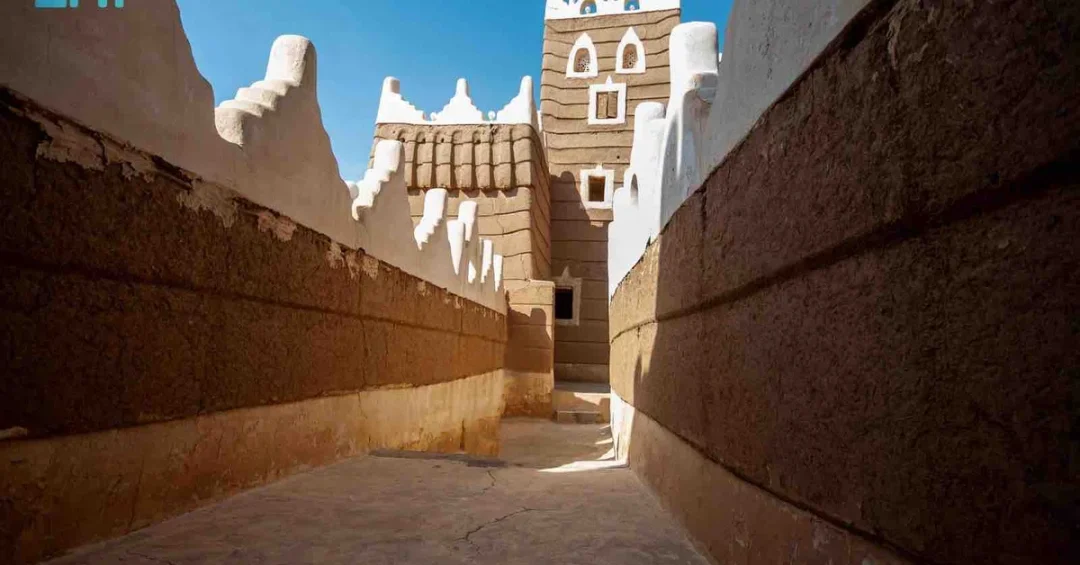
The Historic Emirate Palace in Najran, a testament to the region’s rich cultural heritage and traditional Najrani architecture, stands as a premier cultural landmark in the Kingdom of Saudi Arabia. According to the Saudi Press Agency, this historic site, spanning 6,252 square meters, features three floors and 65 rooms, showcasing the creativity and engineering prowess of ancient builders. Located in the Abi Al-Saud neighborhood, the palace offers a unique window into past civilizations and serves as a symbol of Najran’s proud history.
Context and Background
The Historic Emirate Palace is more than just a building; it is a cultural treasure that embodies the essence of Najran’s ancient civilization. Its architectural style reflects traditional construction methods, highlighting the intricate details that have been passed down through generations. The palace’s design, with circular towers at each corner acting as impregnable fortresses and watchtowers, underscores its historical role in defense and community life. An old well next to the mosque in the courtyard adds to its historical charm, providing a glimpse into daily life in the region.
Key Details and Architectural Significance
Key features of the palace include its three-story layout, 65 distinct rooms, and a central courtyard that once served as a hub for social and administrative activities. The circular watchtowers, which offer panoramic views of the surrounding area, were strategically designed for defense. The Saudi Press Agency has captured the palace’s stunning details through photography, offering viewers a visual journey through Najran’s civilization. This historic site is a prime example of how traditional Najrani architecture blended functionality with aesthetic beauty, ensuring the palace’s longevity as a cultural landmark.
Implications and International Impact
The preservation and promotion of the Historic Emirate Palace play a critical role in Saudi Arabia’s broader efforts to highlight its cultural heritage to an international audience. As global interest in authentic historical sites grows, the palace serves as a key destination for cultural tourism, attracting visitors and scholars interested in understanding the region’s past. This aligns with the Kingdom’s push to diversify its tourism offerings beyond religious and urban experiences, showcasing the depth of its historical narrative to the world.
Vision 2030 Alignment
The Historic Emirate Palace stands as a powerful symbol of Saudi Arabia’s commitment to preserving its cultural identity under Vision 2030. By restoring and promoting such landmarks, the Kingdom enhances its cultural tourism sector, creating economic opportunities while educating future generations. This initiative supports the Vision’s goals of enriching the quality of life for citizens and residents, and positioning Saudi Arabia as a global hub for cultural exchange and tourism. The palace’s ongoing significance ensures that Najran’s heritage remains a vibrant part of the Kingdom’s future.
20 Questions
Q1. What is the Historic Emirate Palace?
A1. The Historic Emirate Palace is a cultural landmark in Najran, Saudi Arabia, showcasing traditional Najrani architecture and serving as a testament to the region’s rich heritage.
Q2. Where is the Historic Emirate Palace located?
A2. The palace is located in the Abi Al-Saud neighborhood in Najran, a region known for its ancient history and cultural significance.
Q3. How large is the Historic Emirate Palace?
A3. The palace spans 6,252 square meters and includes three floors with 65 rooms.
Q4. What are the key architectural features of the palace?
A4. The palace features circular towers at each corner, an old well, a mosque in the courtyard, and traditional Najrani architectural details.
Q5. Why are the circular towers significant?
A5. The circular towers served as impregnable fortresses and watchtowers, enhancing the palace’s defense capabilities.
Q6. Who reported on the Historic Emirate Palace?
A6. The Saudi Press Agency (SPA) has documented the palace’s details through photography and news reports.
Q7. What does the palace reflect about Najran’s history?
A7. The palace reflects the creativity, artistry, and engineering prowess of ancient Najrani civilizations.
Q8. How does the palace contribute to cultural tourism?
A8. The palace attracts visitors interested in Saudi Arabia’s heritage, supporting the Kingdom’s cultural tourism growth.
Q9. What is the historical role of the palace?
A9. The palace served as a central hub for social, administrative, and defensive activities in Najran.
Q10. How does the palace align with Vision 2030?
A10. The palace supports Vision 2030 by promoting cultural heritage, tourism, and quality of life for citizens and residents.
Q11. What is the oldest feature of the palace?
A11. An old well next to the mosque in the courtyard is one of the oldest features, adding to the site’s historical charm.
Q12. How many floors does the palace have?
A12. The palace has three floors, each containing rooms that showcase traditional design.
Q13. Who built the Historic Emirate Palace?
A13. The palace was built by ancient Najrani builders, though specific historical records are preserved by Saudi authorities.
Q14. How has the palace been preserved?
A14. The palace has been preserved through Saudi efforts to maintain its architectural integrity and promote it as a cultural landmark.
Q15. What can visitors learn from the palace?
A15. Visitors can learn about traditional construction methods, defensive architecture, and daily life in ancient Najran.
Q16. Why is the palace considered a testament to creativity?
A16. Its intricate architectural details and engineering demonstrate the creativity of past civilizations.
Q17. What role does the palace play in education?
A17. The palace serves as an educational site for students and researchers studying Saudi Arabia’s history and architecture.
Q18. How does the palace represent Najran’s identity?
A18. The palace embodies Najran’s proud civilization and its continuity through the generations.
Q19. Is the palace open to the public?
A19. The palace is a cultural landmark accessible to visitors as part of Saudi Arabia’s tourism initiatives.
Q20. What is the future of the Historic Emirate Palace?
A20. The palace will continue to be preserved and promoted, contributing to Vision 2030’s goals of cultural enrichment and global tourism.
Reader Feedback
We value your thoughts. Please share your feedback on this article.
Your feedback helps us improve our coverage.