


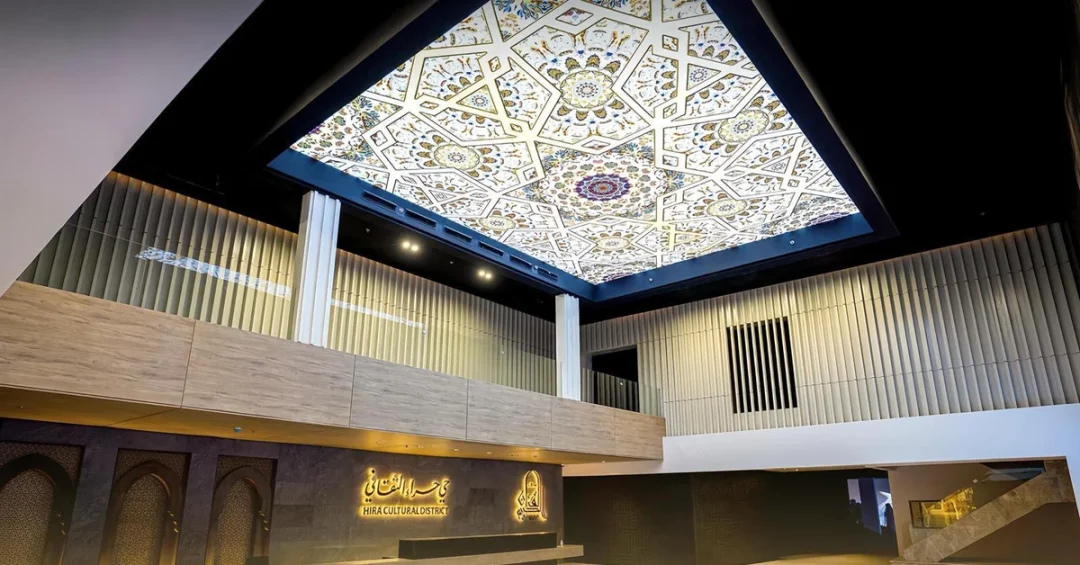
The Holy Quran Museum in Makkah, opened as the centerpiece of the Hira Cultural District at the base of Mount Hira, is the first museum in the holy city dedicated entirely to the Holy Quran and displays rare Quranic manuscripts from across Islamic history, according to the Saudi Press Agency (SPA). The museum occupies a site of profound spiritual significance, located where the first verses of the Holy Quran were revealed to Prophet Muhammad (peace be upon him), and it forms part of a year-round destination for pilgrims and visitors managed by the Royal Commission for Makkah City and Holy Sites in collaboration with the Makkah Region Principality. Its opening marks a significant addition to Saudi Arabia’s cultural and religious infrastructure, offering residents and international guests a structured, scholarly encounter with the Quran’s history, preservation, and civilizational impact.
Why does a museum dedicated to a sacred text matter in an era when digital copies of the Quran are available instantly on every device? The answer lies in the material record: the manuscripts, calligraphic traditions, and preservation methods that carried the revelation across fourteen centuries. By gathering these treasures in one accessible place, the museum allows visitors to trace how the Quran was recorded, copied, and cared for from the earliest Islamic eras to the present day. The project reflects the Kingdom’s broader commitment to safeguarding Islamic heritage while presenting it through modern, educational channels that serve a global audience of Muslims and non-Muslims alike.
Context and Background
How did the Hira Cultural District come to host such an ambitious museum? The district is strategically positioned near King Faisal Road, the main artery connecting Makkah and Taif, which makes it reachable for pilgrims traveling between the holy sites and for visitors exploring the wider region. The Royal Commission for Makkah City and Holy Sites, the government body responsible for developing the holy city and its surroundings, manages the project in partnership with the Makkah Region Principality. Their combined oversight ensures that the district meets the highest standards of urban planning, heritage preservation, and visitor experience.
Mount Hira holds a unique place in Islamic history as the location of the Cave of Hira, where the Prophet Muhammad (peace be upon him) received the first revelation. For centuries, this site has drawn pilgrims and scholars seeking to connect with the origins of the faith. The Hira Cultural District was conceived to honor that legacy while providing modern amenities, educational exhibits, and cultural programming. The Holy Quran Museum is the first museum in Makkah devoted specifically to the Quran, making it a landmark in the city’s evolving cultural landscape and a natural complement to the existing religious sites.
The museum’s opening also reflects a wider pattern of investment in cultural infrastructure across Saudi Arabia. Across the Kingdom, authorities have been developing museums, heritage villages, and interpretive centers that document Islamic and pre-Islamic history. These projects serve both residents and the millions of international visitors who travel to Saudi Arabia each year. By situating the Holy Quran Museum within the Hira Cultural District, planners have created a destination where spiritual reflection and historical learning reinforce one another in a single, coherent experience.
Key Details
What exactly can visitors expect to see inside the Holy Quran Museum? According to the Saudi Press Agency, the museum features an exceptional collection of rare Quranic manuscripts drawn from various Islamic eras, offering a chronological view of how the sacred text was transcribed and transmitted. Detailed exhibits explain the Quran’s profound impact on Islamic civilization, covering fields as diverse as law, literature, science, and the arts. Modern interactive technologies complement the physical displays, allowing visitors to engage with the material in ways that traditional exhibitions cannot match.
The museum also highlights the meticulous care given to preserving the Quran over the centuries. This includes the work of calligraphers, manuscript copyists, and conservation specialists who developed techniques to protect fragile texts from decay. Visitors can learn about the materials used in different periods, from parchment and papyrus to fine papers, and about the decorative arts that accompanied the text, such as illumination and binding. Together, these elements tell a story of devotion expressed through craftsmanship and scholarship.
Because the museum is the first of its kind in Makkah, it fills a gap in the city’s cultural offerings. Pilgrims who come for Hajj or Umrah often seek deeper historical context for the sites they visit. The museum provides that context in a structured, informative setting, with exhibits designed to be accessible to visitors from many countries and educational backgrounds. The use of interactive technology helps bridge language barriers and makes the content engaging for younger audiences, families, and scholars alike.
International and Regional Impact
How will a museum in Makkah resonate beyond Saudi Arabia’s borders? The Holy Quran is central to the lives of more than a billion Muslims worldwide, and a museum dedicated to its history and preservation has natural international appeal. Pilgrims from Asia, Africa, Europe, and the Americas who travel to Makkah for Hajj and Umrah can now add a visit to the Hira Cultural District to their itinerary. The museum thus becomes a point of cultural exchange, where visitors from diverse backgrounds encounter the shared heritage of Islamic civilization in a carefully curated environment.
Regionally, the project reinforces Makkah’s position as a center of Islamic scholarship and heritage tourism. The Hira Cultural District, with the museum as its anchor, offers a year-round destination that complements the seasonal rhythms of pilgrimage. This helps extend economic activity beyond the peak Hajj and Umrah periods, supporting local businesses, hotels, and transport services. It also signals to the wider region that Saudi Arabia is investing not only in religious infrastructure but also in the cultural and educational dimensions of the pilgrimage experience.
Economic and Strategic Significance
What economic value does a cultural landmark of this kind bring to the Kingdom? Cultural tourism is a growing segment of the global travel market, and Saudi Arabia has been positioning itself to capture a larger share of it. The Holy Quran Museum and the broader Hira Cultural District add a distinctive attraction that can draw repeat visits and longer stays. By integrating heritage with modern facilities, the district encourages visitors to spend more time in Makkah and its surroundings, generating demand for hospitality, retail, and guided services.
Strategically, the museum supports the Kingdom’s efforts to diversify its economy and to present a forward-looking image that is rooted in its Islamic identity. The Royal Commission for Makkah City and Holy Sites has been tasked with balancing the needs of millions of pilgrims with the goal of creating world-class urban environments. The Hira Cultural District demonstrates that these objectives can be pursued together, using thoughtful design and technology to serve both spiritual and educational purposes. The project also creates skilled jobs in curation, conservation, tourism management, and digital media.
Vision 2030 Alignment
How does the Holy Quran Museum connect to Saudi Vision 2030? The Vision, launched under the leadership of Crown Prince Mohammed bin Salman, seeks to diversify the economy, strengthen national identity, and expand cultural and entertainment opportunities for citizens and visitors. Cultural heritage projects such as the Hira Cultural District and its Holy Quran Museum directly advance these goals by enriching the quality of life, attracting international visitors, and showcasing the Kingdom’s religious and historical patrimony to the world.
The museum also supports the Vision’s emphasis on education and knowledge transfer. By presenting the history of the Quran in an accessible, technology-enhanced format, it contributes to lifelong learning and cross-cultural understanding. For Saudi youth, it offers a tangible connection to their heritage; for international audiences, it provides an authoritative introduction to Islamic civilization. In this way, the Holy Quran Museum stands as both a guardian of the past and a contributor to the Kingdom’s future as a global destination for culture, faith, and discovery.
20 Questions
Q1. What is the Holy Quran Museum?
A1. It is the first museum in Makkah dedicated entirely to the Holy Quran, located at the base of Mount Hira within the Hira Cultural District. It displays rare Quranic manuscripts and uses interactive exhibits to explain the Quran’s history and impact.
Q2. Where exactly is the museum located?
A2. The museum sits at the base of Mount Hira in Makkah, as part of the Hira Cultural District. The district is near King Faisal Road, the highway connecting Makkah and Taif, making it accessible to pilgrims and visitors.
Q3. Why is Mount Hira significant?
A3. Mount Hira is where the first verses of the Holy Quran were revealed to Prophet Muhammad (peace be upon him) in the Cave of Hira. The site holds deep historical and spiritual importance for Muslims around the world.
Q4. Who manages the Hira Cultural District?
A4. The Royal Commission for Makkah City and Holy Sites manages the project in collaboration with the Makkah Region Principality. These official Saudi bodies oversee planning, development, and operations of the district.
Q5. What kinds of manuscripts are on display?
A5. The museum features rare Quranic manuscripts from various Islamic eras, according to the Saudi Press Agency. These include examples that illustrate the evolution of calligraphy, illumination, and manuscript conservation across different historical periods.
Q6. Is the museum open year-round?
A6. Yes, the Hira Cultural District is described as a year-round destination for pilgrims and visitors. The museum and its surrounding facilities are designed to serve guests outside the peak Hajj and Umrah seasons as well.
Q7. What interactive technologies does the museum use?
A7. The museum employs modern interactive technologies to help visitors explore the Quran’s impact on Islamic civilization. These tools complement physical exhibits and make the content engaging for diverse audiences, including younger visitors and international guests.
Q8. How does the museum help preserve the Quran?
A8. It highlights the meticulous care given to preserving the Quran over centuries, including the work of calligraphers and conservation specialists. Exhibits explain techniques used to protect fragile manuscripts and transmit the text accurately across generations.
Q9. Who can visit the Holy Quran Museum?
A9. The museum welcomes pilgrims, tourists, researchers, and residents. As part of a cultural district open year-round, it is designed to accommodate a wide range of visitors, including families, students, and international guests interested in Islamic heritage.
Q10. How does the museum support Vision 2030?
A10. It advances Vision 2030 by enriching cultural tourism, diversifying the economy, and showcasing Saudi Arabia’s Islamic heritage. It also supports education and quality-of-life goals by providing a world-class cultural and learning destination in Makkah.
Q11. What is the Hira Cultural District?
A11. The Hira Cultural District is a development project at the base of Mount Hira in Makkah. It includes the Holy Quran Museum and other facilities, and it is intended to serve as a year-round cultural and spiritual destination for visitors.
Q12. Why is this museum considered the first of its kind in Makkah?
A12. No previous museum in Makkah was dedicated specifically to the Holy Quran. This institution is the first to focus entirely on the Quran’s history, manuscripts, preservation, and civilizational impact, according to official Saudi information.
Q13. What can visitors learn about Islamic civilization?
A13. Exhibits explain how the Quran influenced Islamic civilization in areas such as law, literature, science, and the arts. Visitors gain a broad understanding of the text’s role in shaping culture and scholarship across different eras.
Q14. How does the museum handle manuscripts from different eras?
A14. The collection spans multiple Islamic eras, allowing visitors to compare styles and materials over time. Conservation practices and display methods are designed to protect these rare items while making them accessible to the public.
Q15. Is the museum part of a larger Saudi cultural initiative?
A15. Yes, it is part of broader Saudi efforts to develop cultural and heritage infrastructure. These initiatives aim to serve pilgrims and tourists while documenting Islamic history and supporting the Kingdom’s cultural and economic diversification goals.
Q16. What role does the Makkah Region Principality play?
A16. The Makkah Region Principality collaborates with the Royal Commission for Makkah City and Holy Sites on the project. This partnership ensures coordinated planning and alignment with regional development priorities in the holy city.
Q17. How accessible is the museum for international visitors?
A17. Located near King Faisal Road between Makkah and Taif, the district is reachable by road and integrated into the city’s transport network. Interactive exhibits and multilingual support help make the museum accessible to a global audience.
Q18. What economic benefits does the museum bring?
A18. The museum supports cultural tourism, which can increase visitor spending on hotels, transport, dining, and guided services. It also creates skilled employment in curation, conservation, hospitality, and digital media within the Makkah region.
Q19. How does the museum reflect Saudi Arabia’s care for Islamic heritage?
A19. By collecting, preserving, and displaying rare Quranic manuscripts, the museum demonstrates the Kingdom’s commitment to protecting Islamic heritage. It presents this heritage through modern, educational channels that serve both residents and international guests.
Q20. What makes the Holy Quran Museum a landmark?
A20. Its location at Mount Hira, its status as Makkah’s first Quran-focused museum, and its collection of rare manuscripts make it a unique cultural landmark. It combines spiritual significance with modern educational technology in a single destination.
Reader Feedback
We value your thoughts. Please share your feedback on this article.
Your feedback helps us improve our coverage.
Related articles
 Saudi Ministries Launch Third Cultural Skills Competition
 Marvels of Saudi Orchestra Concludes Sixth Tour in Riyadh
 Saudi Film Nights Brings Kingdom’s Cinema to India
 Turkish Ambassador Tours Hira Cultural District in Makkah
 Saudi Arabia Joins Cairo International Book Fair 2025
 Saudi Libraries Commission Modernizes 153 Public Libraries