


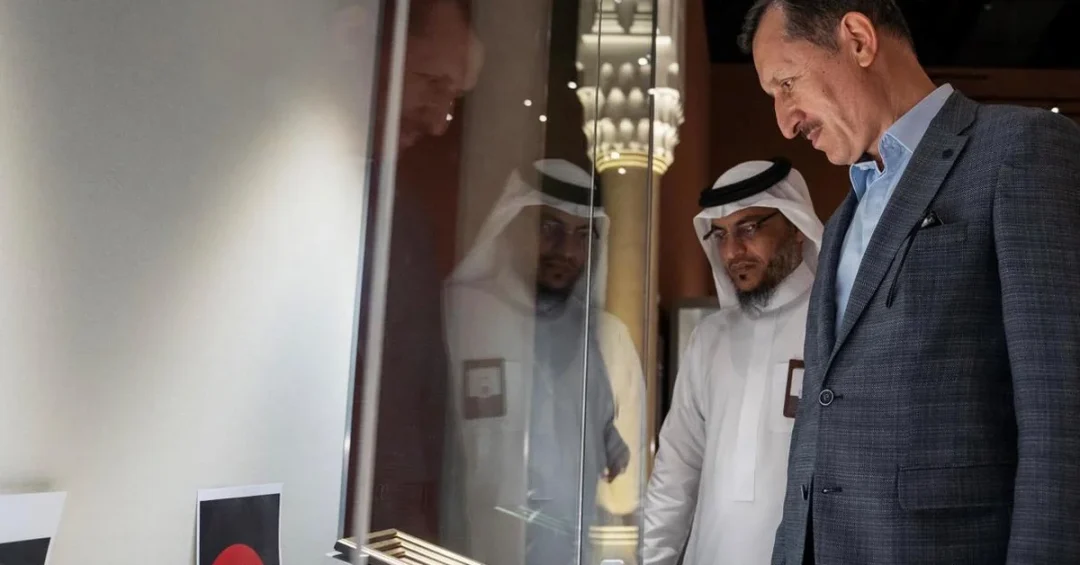
Turkish Ambassador to the Kingdom of Saudi Arabia Dr. Emrullah İşler visited the Hira Cultural District in Makkah on January 21, 2025, touring the Revelation Exhibition and the Holy Quran Museum, where he viewed rare collections, valuable manuscripts, and advanced technological exhibits. The visit, reported by the Saudi Press Agency (SPA), underscores the growing international engagement with Saudi Arabia’s cultural and spiritual heritage sites, particularly those developed under the Kingdom’s Vision 2030 initiative to enrich the pilgrimage experience and promote cultural exchange. The ambassador was accompanied by a delegation and received a guided tour of the district’s key attractions, which narrate the story of divine revelation during the time of the prophets, peace be upon them.
What does the visit of a senior Turkish diplomat to one of Makkah’s most significant cultural projects reveal about Saudi Arabia’s expanding role as a global hub for cultural diplomacy and religious tourism? The Hira Cultural District, located near the Cave of Hira in the holy city, represents a modern approach to preserving and presenting Islamic history, combining traditional artifacts with cutting-edge technology. The ambassador’s tour highlights the district’s appeal to international visitors and dignitaries, reinforcing Saudi Arabia’s commitment to sharing its rich heritage with the world. This engagement also reflects the deepening ties between Saudi Arabia and Turkey, two nations with profound historical and cultural connections.
Context and Background
Why has the Hira Cultural District become a focal point for diplomatic visits and cultural exchange in recent years? The district, developed as part of Saudi Arabia’s broader efforts to enhance the spiritual and educational dimensions of the Hajj and Umrah experience, offers visitors a comprehensive journey through Islamic history. The Revelation Exhibition, one of its centerpieces, uses immersive displays to narrate the story of revelation, providing context to the divine messages received by the prophets. The Holy Quran Museum, another key component, houses rare manuscripts and collections that trace the preservation and dissemination of the Quran over centuries.
The visit by Dr. Emrullah İşler, Turkey’s top diplomat in Riyadh, is part of a series of international delegations that have toured the district since its inauguration. Saudi Arabia has actively promoted the site as a destination for both pilgrims and tourists, aligning with Vision 2030’s goal to increase cultural and religious tourism. The district’s location in Makkah, near the historic Cave of Hira where Prophet Muhammad, peace be upon him, received the first revelation, adds profound spiritual significance. By hosting diplomats and scholars, Saudi Arabia signals its openness to international engagement and its desire to foster a deeper understanding of Islamic heritage among global audiences.
Turkey and Saudi Arabia share a long history of cultural and religious ties, and this visit builds on recent diplomatic efforts to strengthen bilateral relations. The ambassador’s presence in Makkah demonstrates the importance both nations place on cultural diplomacy as a bridge for mutual understanding. The Hira Cultural District, with its blend of tradition and innovation, serves as an ideal venue for such exchanges, offering visitors a nuanced perspective on Islamic civilization. As Saudi Arabia continues to develop world-class cultural infrastructure, visits like this reinforce its position as a leader in preserving and promoting Islamic heritage.
Key Details
What specific elements of the Hira Cultural District captured the attention of the Turkish delegation during their tour? According to the Saudi Press Agency, Dr. İşler and his accompanying delegation began their visit at the Revelation Exhibition, where they observed a display narrating the story of revelation during the time of the prophets, peace be upon them. The exhibition employs advanced multimedia and interactive technologies to bring historical narratives to life, offering visitors a deeper appreciation of the spiritual foundations of Islam. The delegation then proceeded to the Holy Quran Museum, which showcased rare collections, valuable manuscripts, and advanced technological exhibits that highlight the Quran’s preservation and global reach.
The Holy Quran Museum is particularly notable for its collection of ancient manuscripts, some of which date back over a thousand years. These artifacts are displayed alongside digital tools that allow visitors to explore the text’s history and calligraphy. The museum also features exhibits on the Quran’s translation and dissemination across different cultures, underscoring its universal message. The ambassador’s tour included detailed explanations from curators, providing insight into the meticulous efforts undertaken to conserve these treasures. The visit concluded with an exchange of views on the importance of cultural preservation and the role of institutions like the Hira Cultural District in educating future generations.
The district itself is a marvel of modern design, integrating architectural elements that reflect Islamic aesthetics while incorporating sustainable technologies. It includes prayer areas, educational spaces, and zones dedicated to research and reflection. For international visitors, the district offers multilingual guides and digital resources, making the experience accessible to a diverse audience. The Turkish delegation’s visit is expected to encourage more cultural exchanges between Saudi Arabia and Turkey, potentially leading to collaborative exhibitions or academic partnerships. Such initiatives align with Vision 2030’s emphasis on knowledge sharing and international cooperation.
International and Regional Impact
How does a diplomatic visit to a cultural site in Makkah resonate beyond the immediate tour, influencing regional and international perceptions? The visit by Turkey’s ambassador highlights the growing recognition of Saudi Arabia’s efforts to preserve Islamic heritage and present it in a modern, engaging manner. It also signals Turkey’s interest in strengthening ties with the Kingdom across cultural, economic, and diplomatic spheres. In a region often characterized by political complexities, cultural diplomacy offers a constructive avenue for building trust and fostering collaboration. The Hira Cultural District, as a symbol of Saudi Arabia’s commitment to its heritage, becomes a platform for such positive engagement.
Regional media outlets have noted the visit as part of a broader trend of increased cultural exchanges between Gulf countries and Turkey. Saudi Arabia’s Vision 2030 includes ambitious targets for cultural tourism, aiming to attract millions of international visitors annually. By welcoming ambassadors and delegations, the Kingdom showcases its cultural assets and reinforces its reputation as a safe, welcoming destination. The visit also underscores the importance of Makkah as not only a spiritual center but also a hub for cultural education. This dual role enhances the city’s global standing and supports Saudi Arabia’s efforts to diversify its economy away from oil dependence.
Economic and Strategic Significance
What economic and strategic benefits arise from promoting cultural sites like the Hira Cultural District to international audiences? The district contributes to Saudi Arabia’s tourism sector, which is a key pillar of Vision 2030. By attracting foreign dignitaries and tourists, it generates revenue, creates jobs, and stimulates local businesses. The emphasis on cultural tourism also helps extend the length of stay for pilgrims, encouraging them to explore beyond the traditional rituals. This aligns with the Kingdom’s goal to increase the Umrah and Hajj capacity and enhance the overall experience for visitors.
Strategically, cultural diplomacy strengthens Saudi Arabia’s soft power and global influence. It presents the Kingdom as a custodian of Islamic heritage and a modern nation open to the world. The Hira Cultural District, with its state-of-the-art facilities, exemplifies this narrative. Collaborations with countries like Turkey can lead to joint ventures in tourism, education, and technology, further integrating Saudi Arabia into the global knowledge economy. The visit by Ambassador İşler may pave the way for Turkish expertise in museum curation or digital archiving, creating mutually beneficial opportunities.
Vision 2030 Alignment
How does the Hira Cultural District exemplify the objectives of Saudi Vision 2030? The district is a direct manifestation of the Vision’s cultural and tourism goals, which seek to enrich the lives of citizens and visitors while preserving the Kingdom’s Islamic identity. By investing in world-class cultural infrastructure, Saudi Arabia is diversifying its economy and creating new opportunities for international engagement. The district also supports the Vision’s aim to increase religious tourism, with targets to host 30 million Umrah pilgrims by 2030. The visit by the Turkish ambassador is a testament to the district’s success in attracting global attention.
Looking ahead, the Hira Cultural District is poised to become a cornerstone of Makkah’s cultural landscape, offering visitors a transformative experience that deepens their connection to Islamic history. As Saudi Arabia continues to implement Vision 2030, such projects will play a vital role in shaping the Kingdom’s future as a global leader in cultural preservation and tourism. The engagement of international diplomats like Dr. İşler reinforces the universal appeal of these efforts and opens doors for further collaboration. With each visit, the district strengthens its position as a beacon of knowledge and spirituality, contributing to Saudi Arabia’s enduring legacy as the heart of the Islamic world.
20 Questions
Q1. Who visited the Hira Cultural District in Makkah on January 21, 2025?
A1. Turkish Ambassador to the Kingdom Dr. Emrullah İşler and his accompanying delegation visited the Hira Cultural District, as reported by the Saudi Press Agency.
Q2. What is the Hira Cultural District?
A2. The Hira Cultural District is a modern cultural and spiritual project in Makkah, featuring the Revelation Exhibition and the Holy Quran Museum, designed to enhance the pilgrimage experience.
Q3. What did the Turkish delegation observe at the Revelation Exhibition?
A3. They observed a display narrating the story of revelation during the time of the prophets, peace be upon them, using advanced multimedia and interactive technologies.
Q4. What does the Holy Quran Museum showcase?
A4. The museum showcases rare collections, valuable manuscripts, and advanced technological exhibits that highlight the preservation and global reach of the Quran.
Q5. Why is the Hira Cultural District significant for Saudi Arabia?
A5. It supports Vision 2030 goals by promoting cultural and religious tourism, preserving Islamic heritage, and attracting international visitors and dignitaries.
Q6. How does this visit reflect Saudi-Turkish relations?
A6. It demonstrates deepening cultural and diplomatic ties between the two nations, building on shared historical and religious connections.
Q7. What role does the Hira Cultural District play in Vision 2030?
A7. It aligns with Vision 2030 by enriching the pilgrimage experience, boosting cultural tourism, and showcasing Saudi Arabia’s commitment to preserving Islamic heritage.
Q8. What are some features of the Holy Quran Museum?
A8. It houses ancient manuscripts, digital tools for exploring Quranic history, and exhibits on the Quran’s translation and dissemination across cultures.
Q9. How does the district cater to international visitors?
A9. It offers multilingual guides, digital resources, and accessible facilities to ensure a meaningful experience for a diverse global audience.
Q10. What economic benefits does the Hira Cultural District bring?
A10. It generates revenue, creates jobs, stimulates local businesses, and extends pilgrim stays, contributing to Saudi Arabia’s economic diversification.
Q11. How does cultural diplomacy benefit Saudi Arabia?
A11. It strengthens soft power, enhances global influence, and presents the Kingdom as a modern custodian of Islamic heritage open to international engagement.
Q12. What might result from the Turkish ambassador’s visit?
A12. It could lead to collaborative exhibitions, academic partnerships, and joint ventures in tourism, education, and technology between Saudi Arabia and Turkey.
Q13. Where is the Hira Cultural District located?
A13. It is located in Makkah, near the historic Cave of Hira, where Prophet Muhammad, peace be upon him, received the first revelation.
Q14. What technologies are used in the Revelation Exhibition?
A14. The exhibition employs advanced multimedia, interactive displays, and immersive narratives to bring the story of revelation to life for visitors.
Q15. How does the district support Saudi Arabia’s tourism targets?
A15. It helps attract millions of international visitors, supports the goal of 30 million Umrah pilgrims by 2030, and enhances the overall pilgrimage experience.
Q16. What is the significance of the rare manuscripts in the Holy Quran Museum?
A16. They trace the Quran’s preservation over centuries, showcasing calligraphy, historical copies, and the meticulous efforts to conserve Islamic treasures.
Q17. How does the visit reflect Saudi Arabia’s openness to the world?
A17. By hosting international diplomats, Saudi Arabia signals its willingness to share its heritage and foster cross-cultural understanding and cooperation.
Q18. What educational opportunities does the Hira Cultural District offer?
A18. It provides educational spaces, research zones, and guided tours that deepen understanding of Islamic history for students, scholars, and visitors.
Q19. How does the district contribute to Makkah’s global standing?
A19. It reinforces Makkah’s role as a spiritual and cultural hub, attracting dignitaries and tourists, and showcasing Saudi Arabia’s leadership in heritage preservation.
Q20. What is the forward-looking vision for the Hira Cultural District?
A20. It aims to become a cornerstone of Makkah’s cultural landscape, supporting Vision 2030, fostering international collaboration, and enriching visitors’ spiritual journeys.
Reader Feedback
We value your thoughts. Please share your feedback on this article.
Your feedback helps us improve our coverage.
Related articles
 Saudi Arabia Joins Cairo International Book Fair 2025
 Saudi Libraries Commission Modernizes 153 Public Libraries
 CONEXÃO Event to Foster Saudi-Brazilian Cultural Exchange
 Museums Commission Unveils Ambitious 2025 Vision for Saudi Museums
 Wadi AlFann Hosts James Turrell at AlUla Arts Festival 2025
 Museum of the Holy Quran: Ornaments and Inscriptions Adorn Hira Cultural District