


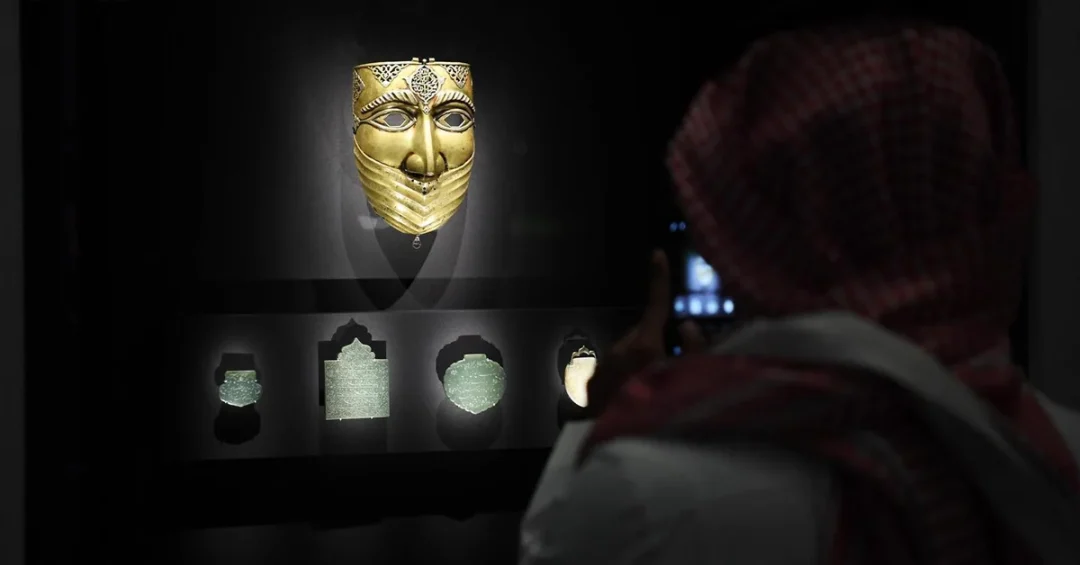
The second edition of the Islamic Arts Biennale, organized by the Diriyah Biennale Foundation, is welcoming visitors at the Western Hajj Terminal of King Abdulaziz International Airport in Jeddah until May 25, 2025. Under the theme “Islamic Arts Biennale 2025,” the event offers unique sensory experiences for learning, exploration, and contemplation through a collection of rare Islamic art. Have you ever wondered how art can transport you across centuries and civilizations? This biennale invites visitors to immerse themselves in the richness of Islamic heritage and contemporary creativity.
The biennale showcases over 500 historical objects and works of contemporary art under one roof, inviting reflection on the richness of Islamic heritage and civilization along with various forms of creative expression. With broader participation from institutions, the biennale reinforces its position as a global central platform for Islamic art, featuring works loaned from major international institutions. This landmark event not only highlights the Kingdom’s commitment to cultural preservation but also underscores its role as a global hub for artistic exchange, aligning with Saudi Vision 2030’s goals to promote cultural understanding and economic diversification.
Context and Background
How did the Islamic Arts Biennale come to be a pivotal event in the global art calendar? The Diriyah Biennale Foundation, a key cultural institution in Saudi Arabia, launched the first edition of the Islamic Arts Biennale in 2023 as part of the Kingdom’s broader efforts to celebrate and promote Islamic art. The inaugural event was a resounding success, drawing thousands of visitors and setting the stage for an even more ambitious second edition. The biennale is held at the Western Hajj Terminal, a site of historical significance that itself tells a story of journey and convergence, making it a fitting venue for an event that bridges past and present.
The Western Hajj Terminal, designed by the renowned architect Fazlur Rahman Khan, is an architectural marvel that has welcomed millions of pilgrims over the decades. Its iconic tent-like structure provides a symbolic backdrop for the biennale, echoing the themes of shelter, journey, and spiritual reflection. By hosting the biennale here, the organizers create a seamless blend of heritage and modernity, inviting visitors to explore the depths of Islamic art within a space that has facilitated the Hajj pilgrimage for generations. This thoughtful choice of venue enhances the sensory experience, as the terminal’s vast halls and natural light create a contemplative atmosphere.
Furthermore, the biennale is part of a larger cultural strategy under Saudi Vision 2030, which aims to diversify the economy and promote cultural tourism. The Kingdom has been investing heavily in cultural infrastructure, including museums, galleries, and festivals, to attract international visitors and showcase its rich heritage. The Islamic Arts Biennale stands as a testament to these efforts, positioning Saudi Arabia as a leader in the global cultural landscape. As the event continues to grow, it is poised to become a must-visit destination for art enthusiasts and scholars alike.
Key Details of the Exhibition
What can visitors expect to see at this year’s biennale? The exhibition features over 500 historical objects and contemporary artworks, ranging from ancient manuscripts and calligraphy to modern installations and digital art. These works are curated to highlight the diversity and dynamism of Islamic art across different eras and regions. Notable pieces include rare Qur’anic manuscripts, intricate metalwork, and textiles that showcase the skilled craftsmanship of Islamic artisans. The contemporary section includes works by both established and emerging artists from Saudi Arabia and around the world, offering fresh perspectives on Islamic traditions.
The biennale also presents a rich cultural program that includes lectures, workshops, community initiatives, and seminars throughout the exhibition period. This year’s opening programs feature initiatives such as “Biennale After School” and “Biennale After Work,” aimed at exploring the arts through hands-on workshops during the week. These programs are designed to engage diverse audiences, from students to professionals, fostering creativity and reflection. By providing interactive experiences, the biennale ensures that visitors not only observe but also participate in the artistic process, making the experience deeply personal and memorable.
In addition to the exhibitions and workshops, the biennale hosts performances, film screenings, and guided tours, further enriching the visitor experience. The inclusion of these multidisciplinary elements reflects the organizers’ commitment to making the biennale a holistic cultural event. Whether you are a seasoned art collector or a curious newcomer, the biennale offers something for everyone, inviting you to explore, learn, and be inspired. The sensory journey is enhanced by the thoughtful layout of the exhibition spaces, which encourage contemplation and discovery at every turn.
International and Regional Impact
How does the Islamic Arts Biennale influence the global art scene? The biennale has quickly gained recognition as a major platform for Islamic art, attracting participation from prestigious international institutions such as the Louvre, the British Museum, and the Metropolitan Museum of Art. These institutions have loaned significant works, underscoring the biennale’s credibility and appeal. This international collaboration not only elevates the event’s profile but also fosters cultural exchange and dialogue between Saudi Arabia and the rest of the world. It showcases the Kingdom’s openness to global partnerships and its dedication to preserving and promoting Islamic heritage.
Regionally, the biennale strengthens Saudi Arabia’s position as a cultural leader in the Middle East. By hosting such a high-caliber event, the Kingdom demonstrates its ability to organize world-class cultural initiatives and attract international visitors. This aligns with Vision 2030’s objectives to increase cultural tourism and enhance the Kingdom’s soft power. Moreover, the biennale provides a platform for regional artists to showcase their work alongside international masters, fostering a sense of pride and community within the artistic community. The event also stimulates local economies by drawing tourists, creating jobs, and supporting ancillary businesses such as hotels and restaurants.
Economic and Strategic Significance
What economic benefits does the biennale bring to Saudi Arabia? Cultural events like the Islamic Arts Biennale play a crucial role in diversifying the economy away from oil dependency, a key pillar of Vision 2030. By attracting tourists and art lovers, the biennale boosts the hospitality, retail, and transportation sectors. It also creates opportunities for local artisans and entrepreneurs to showcase their products and services, thereby supporting small and medium-sized enterprises. The event’s success contributes to the growth of the creative economy, which is vital for sustainable development.
Strategically, the biennale enhances Saudi Arabia’s global image as a modern, progressive nation that values its heritage while embracing the future. It serves as a bridge between cultures, promoting mutual understanding and respect. This soft power diplomacy is instrumental in strengthening international relations and attracting foreign investment. Furthermore, the biennale supports the Kingdom’s goal of becoming a top destination for cultural tourism, as outlined in Vision 2030. By hosting events that celebrate Islamic art, Saudi Arabia reinforces its role as the heart of the Islamic world and a global cultural hub.
Vision 2030 Alignment
How does the Islamic Arts Biennale align with Saudi Vision 2030? The biennale is a direct manifestation of Vision 2030’s cultural objectives, which aim to preserve and promote Saudi heritage while fostering a vibrant cultural sector. It reflects the Kingdom’s commitment to investing in arts and culture as drivers of economic growth and social development. By showcasing Islamic art to a global audience, the biennale enhances cultural exchange and positions Saudi Arabia as a leader in the creative industries. This aligns with the Vision’s goal of increasing household spending on culture and entertainment and attracting international visitors.
Looking ahead, the Islamic Arts Biennale is set to become a recurring highlight on the global cultural calendar, further solidifying Saudi Arabia’s status as a cultural powerhouse. As the Kingdom continues to implement Vision 2030, events like this will play a pivotal role in shaping its future as a diversified, knowledge-based economy. The biennale not only enriches visitors with unique sensory experiences but also serves as a catalyst for cultural diplomacy and economic prosperity. It is a shining example of how Saudi Arabia is preserving its past while building a dynamic future, inviting the world to join in its journey of discovery and innovation.
20 Questions
Q1. What is the Islamic Arts Biennale?
A1. The Islamic Arts Biennale is a major cultural event organized by the Diriyah Biennale Foundation, showcasing over 500 historical objects and contemporary artworks that celebrate Islamic heritage and creativity. It is held at the Western Hajj Terminal in Jeddah and runs until May 25, 2025.
Q2. Who organizes the Islamic Arts Biennale?
A2. The event is organized by the Diriyah Biennale Foundation, a leading cultural institution in Saudi Arabia dedicated to promoting arts and culture. The foundation plays a key role in realizing the cultural objectives of Saudi Vision 2030.
Q3. Where is the biennale held?
A3. The biennale is held at the Western Hajj Terminal of King Abdulaziz International Airport in Jeddah. This iconic venue, with its distinctive architecture, provides a fitting backdrop for an event that bridges tradition and modernity.
Q4. How long does the biennale run?
A4. The second edition of the Islamic Arts Biennale is open to visitors until May 25, 2025. This extended period allows ample time for local and international visitors to explore the exhibits and participate in the cultural programs.
Q5. What is the theme of this year’s biennale?
A5. The theme is “Islamic Arts Biennale 2025,” which focuses on the richness of Islamic heritage and civilization. It invites reflection on the diversity of Islamic art and its contemporary expressions.
Q6. What can visitors see at the biennale?
A6. Visitors can see over 500 historical objects and contemporary artworks, including rare manuscripts, calligraphy, metalwork, textiles, and digital installations. The exhibits are curated to showcase the breadth and depth of Islamic art across different eras and regions.
Q7. Are there works from international institutions?
A7. Yes, the biennale features works loaned from major international institutions such as the Louvre, the British Museum, and the Metropolitan Museum of Art. This international participation underscores the event’s global significance and fosters cultural exchange.
Q8. What educational programs are offered?
A8. The biennale offers a range of educational programs, including lectures, workshops, community initiatives, and seminars. Notable initiatives include “Biennale After School” and “Biennale After Work,” which provide hands-on artistic experiences for participants.
Q9. What is “Biennale After School”?
A9. “Biennale After School” is a program designed for students to explore the arts through hands-on workshops held during the week. It aims to enhance creativity and reflection among young participants, fostering a deeper appreciation for Islamic art.
Q10. What is “Biennale After Work”?
A10. “Biennale After Work” is a similar initiative tailored for professionals, offering evening workshops that allow participants to engage with art after their workday. It provides a creative outlet and promotes lifelong learning in the arts.
Q11. How does the biennale support Saudi Vision 2030?
A11. The biennale aligns with Vision 2030 by promoting cultural tourism, diversifying the economy, and enhancing Saudi Arabia’s global cultural standing. It reflects the Kingdom’s commitment to investing in arts and culture as key drivers of social and economic development.
Q12. What is the significance of the venue?
A12. The Western Hajj Terminal is historically significant as a gateway for millions of pilgrims. Its architectural design and symbolic value enhance the biennale’s themes of journey and spiritual reflection, creating a unique atmosphere for visitors.
Q13. Who are some of the contemporary artists featured?
A13. The biennale features works by both established and emerging artists from Saudi Arabia and around the world. While specific names vary, the event provides a platform for contemporary voices to engage with Islamic traditions and offer fresh perspectives.
Q14. What types of historical objects are on display?
A14. Historical objects include rare Qur’anic manuscripts, intricate metalwork, ceramics, textiles, and other artifacts from various Islamic periods. These pieces highlight the craftsmanship and artistic achievements of Islamic civilizations.
Q15. How does the biennale contribute to cultural exchange?
A15. By bringing together works from international institutions and artists, the biennale fosters dialogue and mutual understanding between cultures. It positions Saudi Arabia as a bridge between East and West, promoting global appreciation for Islamic art.
Q16. Is the biennale open to the public?
A16. Yes, the biennale is open to the public, welcoming visitors from Saudi Arabia and abroad. Tickets and schedules are available through the official Diriyah Biennale Foundation channels.
Q17. What economic benefits does the biennale bring?
A17. The biennale boosts local economies by attracting tourists, creating jobs, and supporting businesses in hospitality, retail, and transportation. It also stimulates the creative economy, aligning with Vision 2030’s economic diversification goals.
Q18. How does the biennale enhance Saudi Arabia’s soft power?
A18. By hosting a world-class cultural event, Saudi Arabia showcases its commitment to arts and heritage, enhancing its global image. This soft power diplomacy strengthens international relations and attracts foreign investment and tourism.
Q19. What is the Diriyah Biennale Foundation?
A19. The Diriyah Biennale Foundation is a cultural organization in Saudi Arabia that oversees the Islamic Arts Biennale and other artistic initiatives. It plays a vital role in promoting arts and culture under Vision 2030.
Q20. How can one learn more about the biennale?
A20. More information can be found on the official Diriyah Biennale Foundation website and through Saudi Press Agency announcements. Visitors are encouraged to check the schedule for exhibitions, workshops, and special events.
Reader Feedback
We value your thoughts. Please share your feedback on this article.
Your feedback helps us improve our coverage.
Related articles
 Manga Arabia Launches Arabic Webtoons for Arab World
 Madinah Cultural Festival Showcases 90+ Nations
 Ministry of Culture Unveils New Typefaces Inspired by Heritage
 Diriyah Company Signs $1.4B Deal for Royal Diriyah Opera House
 SBA and Film Commission Sign Agreement to Boost Saudi Film Industry
 Jeddah Literary Club Hosts Cultural Gathering on Historical Landmarks in Saudi Arabia