



The Jeddah Literary Cultural Club hosted a landmark cultural gathering on Tuesday, April 16, 2025, bringing together distinguished cultural figures and academics to spotlight the rich historical heritage of Saudi Arabia. The event, held at the club’s headquarters in Jeddah, focused on the Kingdom’s historical landmarks, with particular attention to the landmarks of Ruhat, situated along the Huda Al-Sham Road, which stand as enduring symbols of Islamic and human civilization.
Have you ever wondered how a single gathering can bridge centuries of history? This cultural event did precisely that, weaving together stories, documentation, and open dialogue to enrich Saudi Arabia’s cultural landscape. The Jeddah Literary Cultural Club, a longstanding institution dedicated to intellectual and cultural exchange, provided the perfect platform for this exploration of national heritage. The gathering underscored the importance of preserving and promoting historical sites within the framework of cultural and heritage tourism, aligning with the Kingdom’s broader efforts to celebrate its past while building its future.
Context and Background
Why does a literary club in Jeddah hold the key to unlocking Saudi Arabia’s historical narrative? The Jeddah Literary Cultural Club has long been a hub for intellectual discourse, hosting events that range from poetry readings to academic lectures. This latest gathering, however, took on a distinctly historical focus, reflecting a growing national momentum to document and celebrate the Kingdom’s diverse heritage. The event drew a distinguished group of cultural figures and academics, each contributing unique insights into the historical landmarks that dot the Saudi landscape.
The spotlight fell on the landmarks of Ruhat, located along the Huda Al-Sham Road. This ancient route, historically significant as a pilgrimage and trade corridor, is lined with structures that reflect Islamic and human civilization. The speakers shared vivid details about these landmarks, emphasizing their architectural and cultural value. By bringing these stories to the forefront, the club aimed to foster a deeper appreciation for Saudi Arabia’s role as a crossroads of civilizations. Such initiatives are part of a broader movement to integrate heritage into the national identity, ensuring that future generations remain connected to their roots.
Isn’t it remarkable how a single road can tell the story of millennia? The Huda Al-Sham Road, with its landmarks, serves as a living museum of Islamic history. The gathering highlighted the need to document these sites, not only for their historical significance but also for their potential to attract cultural tourism. Participants stressed that understanding the past is essential for navigating the future, especially as Saudi Arabia undergoes rapid transformation under Vision 2030.
Key Details
What exactly transpired at this cultural gathering that has captured the attention of scholars and enthusiasts alike? The event featured a series of presentations and discussions, with speakers delving into the historical and architectural nuances of the Ruhat landmarks. They detailed how these structures, some dating back centuries, exemplify the ingenuity and artistic achievements of Islamic civilization. The Huda Al-Sham Road itself was a vital artery for pilgrims traveling to Mecca and for merchants traversing the region, making its landmarks repositories of collective memory.
Participants emphasized the importance of continuing such initiatives that focus on the Kingdom’s history. They argued that documentation and open dialogue are crucial for enriching the cultural landscape. By blending academic rigor with accessible storytelling, the gathering succeeded in making history come alive for attendees. The event also highlighted the role of cultural and heritage tourism in promoting these landmarks, suggesting that they could become key destinations for both domestic and international visitors.
How can we ensure that these stories reach beyond the walls of a literary club? The answer lies in leveraging modern platforms and partnerships. The Jeddah Literary Cultural Club has hinted at future collaborations with tourism and heritage authorities to develop guided tours, digital archives, and educational programs. Such efforts would not only preserve the landmarks but also integrate them into the Kingdom’s expanding tourism ecosystem, offering visitors a chance to experience Saudi Arabia’s rich tapestry of history firsthand.
International and Regional Impact
Could this local gathering have implications that resonate far beyond Saudi Arabia’s borders? Absolutely. The event underscores the Kingdom’s commitment to preserving Islamic heritage, a message that holds significant appeal for the global Muslim community. By showcasing the Ruhat landmarks, Saudi Arabia reinforces its position as the custodian of Islamic history, a role that enhances its soft power and diplomatic influence. Regional neighbors, many of whom share similar historical narratives, may look to Saudi Arabia’s model of integrating heritage into cultural tourism.
The gathering also aligns with international trends in heritage preservation. UNESCO and other global bodies have long advocated for the protection of cultural sites, and Saudi Arabia’s efforts echo these calls. The event’s emphasis on documentation and open dialogue mirrors best practices in the field, positioning the Kingdom as a responsible steward of world heritage. Furthermore, by inviting academics and cultural figures, the club fostered an environment of intellectual exchange that could lead to cross-border research projects and collaborations.
Isn’t it fascinating how a literary club’s initiative can echo on the world stage? The Jeddah gathering is a testament to the power of cultural diplomacy. It sends a clear message that Saudi Arabia values its history and is willing to share it with the world. As the Kingdom continues to open up under Vision 2030, such events will play a pivotal role in shaping its international image as a destination for cultural enrichment.
Economic and Strategic Significance
What economic benefits can arise from promoting historical landmarks? The answer lies in the burgeoning sector of cultural and heritage tourism. Saudi Arabia’s Vision 2030 aims to diversify the economy away from oil, and tourism is a key pillar. By highlighting sites like the Ruhat landmarks, the Kingdom can attract a niche segment of travelers interested in history and culture. This, in turn, can stimulate local economies, create jobs, and generate revenue for preservation efforts.
The strategic significance extends beyond economics. Heritage tourism fosters a sense of national pride and identity, which is essential for social cohesion. It also serves as a tool for public diplomacy, showcasing Saudi Arabia’s rich history to international audiences. The Jeddah Literary Cultural Club’s initiative, therefore, is not just a cultural event but a strategic move that aligns with the Kingdom’s broader goals of economic diversification and global engagement.
How can Saudi Arabia ensure that these economic benefits are sustainable? By investing in infrastructure, training local guides, and developing digital platforms that make historical information accessible. The gathering’s participants called for exactly such measures, emphasizing that public-private partnerships will be crucial. With the right strategies, the Ruhat landmarks and similar sites can become sustainable tourism assets that contribute to the Kingdom’s long-term prosperity.
Vision 2030 Alignment
How does this cultural gathering fit into the grand tapestry of Vision 2030? Vision 2030 is not merely an economic blueprint; it is a holistic vision that encompasses cultural, social, and environmental dimensions. The Jeddah Literary Cultural Club’s event directly supports the Vision’s cultural objectives by preserving and promoting national heritage. It also contributes to the goal of enhancing the quality of life for citizens and residents by providing enriching cultural experiences.
Furthermore, the event aligns with Vision 2030’s tourism targets. The Kingdom aims to attract 100 million visitors annually by 2030, and heritage sites are a vital component of this strategy. By spotlighting the Ruhat landmarks, the club is helping to position Saudi Arabia as a must-visit destination for culture enthusiasts. This, in turn, supports job creation and economic growth, two central pillars of the Vision.
In conclusion, the Jeddah Literary Cultural Club’s gathering is more than a one-time event; it is a catalyst for ongoing cultural enrichment and tourism development. It reflects the Kingdom’s forward-looking approach to heritage, one that values the past as a foundation for the future. As Saudi Arabia continues its journey toward Vision 2030, such initiatives will be instrumental in showcasing the best of the Kingdom to the world. Isn’t it inspiring to see how a literary club can contribute to a national transformation? The answer is a resounding yes, and it signals a bright future for Saudi Arabia’s cultural landscape.
20 Questions
Q1. What was the main purpose of the Jeddah Literary Cultural Club’s gathering?
A1. The gathering aimed to spotlight the rich cultural history of Saudi Arabia, particularly the historical landmarks of Ruhat on the Huda Al-Sham Road, and to promote their significance in Islamic and human civilization.
Q2. When and where did the event take place?
A2. The event took place on Tuesday, April 16, 2025, at the Jeddah Literary Cultural Club’s headquarters in Jeddah, Saudi Arabia.
Q3. Who attended the cultural gathering?
A3. The gathering brought together a distinguished group of cultural figures and academics, all interested in the Kingdom’s history and heritage.
Q4. What are the Ruhat landmarks, and where are they located?
A4. The Ruhat landmarks are historical sites situated on the Huda Al-Sham Road, reflecting Islamic and human civilization. They are part of Saudi Arabia’s rich heritage.
Q5. Why is the Huda Al-Sham Road historically significant?
A5. The Huda Al-Sham Road was a vital route for pilgrims and traders, connecting regions and facilitating cultural exchange. Its landmarks are repositories of collective memory.
Q6. What did participants emphasize at the event?
A6. Participants emphasized the importance of continuing initiatives that focus on the Kingdom’s history, enriching the cultural landscape through documentation, knowledge, and open dialogue.
Q7. How does the event promote cultural and heritage tourism?
A7. By highlighting historical landmarks, the event encourages tourism that focuses on cultural and heritage sites, aligning with Saudi Arabia’s broader tourism strategy.
Q8. What role does the Jeddah Literary Cultural Club play in Saudi society?
A8. The club serves as a hub for intellectual and cultural exchange, hosting events that celebrate Saudi Arabia’s heritage and foster dialogue among scholars and enthusiasts.
Q9. How does this gathering align with Vision 2030?
A9. It supports Vision 2030’s cultural and tourism objectives by preserving national heritage, enhancing quality of life, and attracting visitors interested in Saudi history.
Q10. What are the economic benefits of promoting historical landmarks?
A10. Promoting landmarks can boost cultural tourism, create jobs, stimulate local economies, and generate revenue for preservation efforts, supporting economic diversification.
Q11. How can these landmarks attract international visitors?
A11. Through guided tours, digital archives, and educational programs, the landmarks can be made accessible to international tourists, showcasing Saudi Arabia’s rich history.
Q12. What was the tone of the event regarding Saudi heritage?
A12. The tone was positive and respectful, emphasizing the importance of preserving and celebrating Saudi Arabia’s historical and cultural legacy.
Q13. Did the event include any calls for future initiatives?
A13. Yes, participants called for continuing such initiatives, with a focus on documentation, open dialogue, and integrating heritage into tourism.
Q14. How does the event reflect Saudi Arabia’s cultural diplomacy?
A14. By showcasing Islamic heritage, the event enhances Saudi Arabia’s soft power and positions the Kingdom as a custodian of world heritage, fostering international goodwill.
Q15. What is the significance of documenting historical landmarks?
A15. Documentation preserves the stories and details of landmarks for future generations, ensuring that their cultural and historical value is not lost.
Q16. How can technology aid in promoting these landmarks?
A16. Technology can create virtual tours, digital archives, and interactive platforms, making the landmarks accessible to a global audience and enhancing visitor experiences.
Q17. What role do academics play in heritage preservation?
A17. Academics provide research, analysis, and historical context, ensuring that preservation efforts are grounded in accurate and comprehensive knowledge.
Q18. How does heritage tourism benefit local communities?
A18. It creates employment opportunities, supports local businesses, and fosters pride in cultural identity, contributing to community development.
Q19. What future events can we expect from the Jeddah Literary Cultural Club?
A19. The club is likely to continue hosting cultural gatherings, possibly with a focus on other historical sites and collaborations with tourism authorities.
Q20. Why is it important to integrate heritage into national identity?
A20. Integrating heritage into national identity strengthens social cohesion, fosters pride, and ensures that future generations remain connected to their roots and history.
Reader Feedback
We value your thoughts. Please share your feedback on this article.
Your feedback helps us improve our coverage.
Related articles
 Saudi Cultural Fund Joins Expo 2025 Osaka
 Heritage Commission Launches Cultural Events to Mark World Heritage Day
 IAU Launches First Museum Studies Diploma with SOAS
 Jeddah Historic District Program Joins World Heritage Day 2025
 Film Commission Joins 11th Saudi Film Festival to Boost Cinema
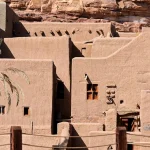 AlUla Launches Mud House Restoration to Revitalize Heritage