


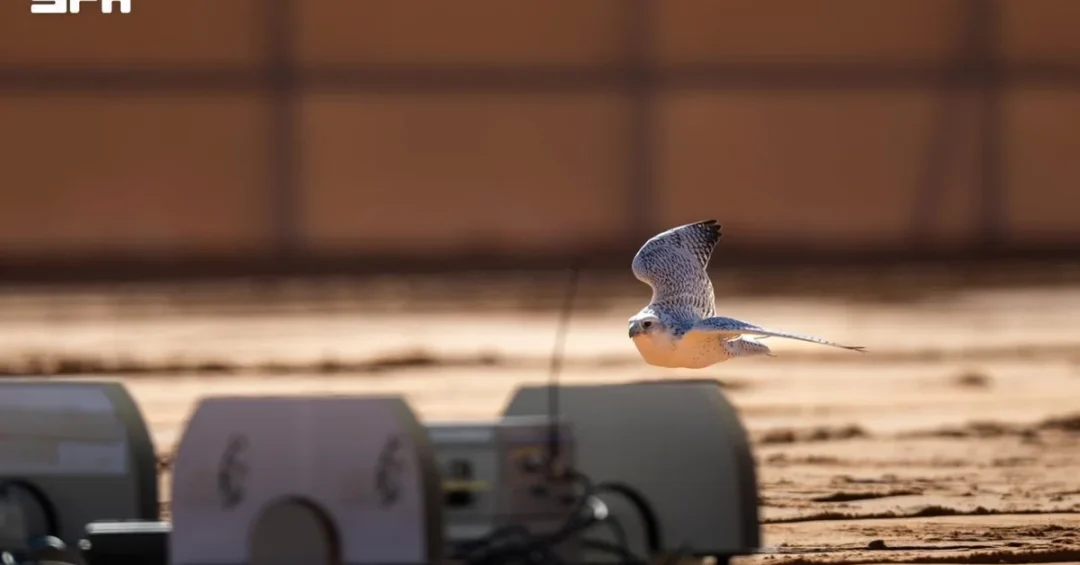
The King Abdulaziz Falconry Festival 2026, the world’s largest gathering of falcons, officially kicked off on November 17, 2026, at the National Center for Falcons headquarters in Malham, north of Riyadh, as announced by the Saudi Press Agency. Running until November 30, the festival brings together local and international falconers to compete in 140 rounds across the Milwah (lure flying) and Mazayen (falcon beauty) competitions, vying for cash prizes and the prestigious titles of the King Abdulaziz Cups, Saif Al-Malik (the King’s Sword), and Shalfa Al-Malik. This annual event underscores Saudi Arabia’s dedication to preserving its rich cultural heritage while showcasing its capability to host world-class sporting and cultural gatherings.
Organized by the National Center for Falcons, the festival reflects the Kingdom’s global standing in organizing falconry competitions and the development of this heritage in its sporting, cultural, and economic dimensions. Under the leadership of CEO Talal bin Abdulaziz AlShammisi, the center has completed extensive preparations, including equipping competition fields, facilities, and services, and coordinating technical, organizational, and logistical efforts to provide a suitable environment for participants. The festival not only celebrates a traditional sport but also serves as a platform for international exchange and economic activity, drawing visitors and participants from around the world. As the event unfolds, it highlights Saudi Arabia’s role in promoting falconry as a shared global heritage.
Context and Background
How did falconry evolve from a desert tradition to a global sporting phenomenon? Falconry, practiced in the Arabian Peninsula for thousands of years, is deeply rooted in Bedouin culture as a means of hunting and survival. Over time, it has transformed into a competitive sport and a symbol of cultural identity. The King Abdulaziz Falconry Festival, named after the founder of modern Saudi Arabia, King Abdulaziz Al Saud, was established to honor this legacy and to provide a platform for falconers to showcase their skills. The festival has grown significantly since its inception, now attracting thousands of participants and spectators from across the globe. Its organization by the National Center for Falcons, a government body dedicated to the preservation and promotion of falconry, underscores the Kingdom’s commitment to safeguarding intangible cultural heritage.
The festival’s location in Malham, north of Riyadh, is significant as it provides a natural desert environment ideal for falconry competitions. The event is part of a broader initiative to promote cultural tourism and to engage youth in traditional sports. In recent years, falconry has gained international recognition, with UNESCO inscribing it on the Representative List of the Intangible Cultural Heritage of Humanity in 2010, following a multinational nomination that included Saudi Arabia. This recognition has further elevated the festival’s profile, making it a key event on the global falconry calendar. The 2026 edition continues this tradition, building on previous successes to deliver an even more comprehensive experience for participants and visitors alike.
Key Details of the Festival
What makes the 2026 edition of the King Abdulaziz Falconry Festival stand out? This year’s festival features 140 rounds of competition, divided into Milwah and Mazayen categories, catering to amateur, owner, professional, and elite falconers. A notable addition is two rounds dedicated to the “Future Falconer” initiative, which aims to encourage young people to practice falconry, develop their skills, and gain competition experience. This initiative aligns with the National Center for Falcons’ efforts to ensure the sustainability of the sport by nurturing the next generation of falconers. The competitions are structured to be inclusive, with separate rounds for local and international participants in various categories, including Gyr Pure, Mathlooth Gyr, Gyr Taba’, Gyr Shaheen, Free, and Shaheen.
The King’s Sword (Saif Al-Malik) title will be contested over four rounds: the first for local participants in the Gyr Pure, Mathlooth Gyr, Gyr Taba’, and Gyr Shaheen categories; the second for international participants in the same categories; the third for international participants in the Free and Shaheen categories; and the fourth for local participants in the Free and Shaheen categories. Similarly, the Shalfa Al-Malik competitions will be held over two rounds, one for local participants in the Gyr Pure, Mathlooth Gyr, Gyr Taba’, and Gyr Shaheen categories, and another for local participants in the Free and Shaheen categories. The King Abdulaziz Cups will also be awarded across various categories, providing ample opportunities for falconers to earn recognition and prizes. The total prize pool is substantial, reflecting the festival’s prestige and the Kingdom’s investment in heritage sports.
International and Regional Impact
How does the King Abdulaziz Falconry Festival influence the global falconry community? The festival serves as a major international hub for falconers, attracting participants from the Gulf Cooperation Council (GCC) countries, the wider Middle East, Europe, Asia, and beyond. By hosting such a large-scale event, Saudi Arabia reinforces its position as a leader in cultural diplomacy and sports tourism. The presence of international falconers fosters cross-cultural exchange and strengthens ties between nations that share a passion for falconry. Moreover, the festival provides a platform for discussing best practices in falconry conservation, training, and veterinary care, contributing to the global advancement of the sport.
Regionally, the festival boosts economic activity in Riyadh and surrounding areas, with increased demand for hospitality, transportation, and retail services. It also promotes domestic tourism, encouraging Saudi citizens and residents to explore the Kingdom’s cultural offerings. The event’s media coverage, including an analytical program on the Milwah rounds and the “Qarnas” program featuring live interviews and field reports, extends its reach to audiences inside and outside the Kingdom through television broadcasts and live streaming on social media. This comprehensive coverage not only highlights the competitions but also showcases Saudi Arabia’s modern infrastructure and hospitality, enhancing its image as a dynamic and welcoming destination.
Economic and Strategic Significance
What economic benefits does the festival bring to Saudi Arabia? The King Abdulaziz Falconry Festival is a significant contributor to the local economy, generating revenue through tourism, hospitality, and related industries. Participants and visitors spend on accommodation, food, transportation, and shopping, providing a boost to businesses in Riyadh and beyond. The festival also creates job opportunities in event management, media production, and logistics, aligning with the Kingdom’s goals of economic diversification and job creation for its citizens. Furthermore, the event attracts international investment and partnerships in areas such as falcon breeding, veterinary services, and equipment manufacturing, further integrating Saudi Arabia into the global falconry market.
Strategically, the festival supports Saudi Arabia’s Vision 2030 by promoting cultural heritage as a pillar of national identity and a driver of economic growth. It aligns with the Vision’s objectives of enhancing quality of life, fostering tourism, and preserving cultural assets. The National Center for Falcons’ efforts to improve the falconers’ experience and expand participation opportunities reflect a strategic approach to developing niche sports tourism. By hosting the world’s largest falconry gathering, Saudi Arabia demonstrates its capacity to organize major international events, which is essential for its ambition to become a top global destination for sports and culture. The festival also serves as a soft power tool, projecting the Kingdom’s rich heritage and modern dynamism to a global audience.
Vision 2030 Alignment
How does the King Abdulaziz Falconry Festival contribute to Saudi Arabia’s Vision 2030? Vision 2030, the Kingdom’s comprehensive plan for economic and social transformation, emphasizes the importance of preserving cultural heritage while diversifying the economy. The festival directly supports these goals by celebrating falconry, a key element of Saudi cultural identity, and by attracting international visitors, thereby boosting tourism and economic activity. It also aligns with the Vision’s focus on youth empowerment through the “Future Falconer” initiative, which invests in the next generation and ensures the continuity of this traditional sport. By organizing such a prestigious event, Saudi Arabia showcases its ability to blend tradition with modernity, a core theme of Vision 2030.
Looking ahead, the King Abdulaziz Falconry Festival is set to continue growing in scale and prestige, further solidifying Saudi Arabia’s leadership in cultural heritage and sports. The National Center for Falcons’ ongoing efforts to enhance the festival experience and expand its reach will contribute to the Kingdom’s broader objectives of increasing tourism, fostering international engagement, and promoting sustainable development. As the 2026 edition unfolds, it serves as a testament to Saudi Arabia’s commitment to its heritage and its forward-looking vision, uniting falconers and enthusiasts from around the world in celebration of a timeless tradition. The festival not only honors the past but also builds a bridge to a prosperous future, embodying the spirit of Vision 2030.
20 Questions
Q1. What is the King Abdulaziz Falconry Festival?
A1. The King Abdulaziz Falconry Festival is an annual event organized by the National Center for Falcons in Saudi Arabia, bringing together local and international falconers to compete in Milwah and Mazayen competitions, celebrating the heritage sport of falconry.
Q2. When and where does the 2026 festival take place?
A2. The 2026 festival kicked off on November 17 and runs until November 30 at the National Center for Falcons headquarters in Malham, north of Riyadh, Saudi Arabia.
Q3. Who organizes the King Abdulaziz Falconry Festival?
A3. The festival is organized by the National Center for Falcons, a Saudi government body dedicated to the preservation, promotion, and development of falconry as a cultural and sporting heritage.
Q4. How many rounds of competition are there in 2026?
A4. There are 140 rounds of competition across the Milwah (lure flying) and Mazayen (falcon beauty) categories, including rounds for amateur, owner, professional, and elite falconers.
Q5. What are the main titles awarded at the festival?
A5. The main titles are the King Abdulaziz Cups, Saif Al-Malik (the King’s Sword), and Shalfa Al-Malik, which are highly prestigious awards in the falconry world.
Q6. What is the “Future Falconer” initiative?
A6. The “Future Falconer” initiative consists of two dedicated rounds aimed at encouraging young people to practice falconry, develop their skills, and gain competition experience under the guidance of experts.
Q7. Which falcon categories are included in the competitions?
A7. The competitions include categories such as Gyr Pure, Mathlooth Gyr, Gyr Taba’, Gyr Shaheen, Free, and Shaheen, with separate rounds for local and international participants.
Q8. How are the King’s Sword competitions structured?
A8. The King’s Sword is contested over four rounds: two for local participants and two for international participants, covering different falcon categories to ensure broad competition.
Q9. What is the Shalfa Al-Malik competition?
A9. The Shalfa Al-Malik is a prestigious title awarded over two rounds, both for local participants, in the Gyr Pure, Mathlooth Gyr, Gyr Taba’, Gyr Shaheen, Free, and Shaheen categories.
Q10. Who is the CEO of the National Center for Falcons?
A10. Talal bin Abdulaziz AlShammisi is the CEO of the National Center for Falcons, and he has emphasized the festival’s role in showcasing Saudi Arabia’s global standing in falconry.
Q11. What preparations were made for the 2026 festival?
A11. The center equipped competition fields, facilities, and services, and coordinated technical, organizational, and logistical efforts to provide a suitable environment for participants and visitors.
Q12. How is the festival covered by the media?
A12. The festival features an analytical program on Milwah rounds and the “Qarnas” program with live interviews and field reports, broadcast on television and streamed live on the center’s social media accounts.
Q13. What is the significance of falconry in Saudi culture?
A13. Falconry is a traditional Bedouin sport and a symbol of Saudi heritage, representing skills of hunting and survival, and is recognized by UNESCO as intangible cultural heritage.
Q14. How does the festival support Vision 2030?
A14. It promotes cultural tourism, economic diversification, and youth engagement, aligning with Vision 2030’s goals of preserving heritage and enhancing quality of life.
Q15. Are there competitions for international falconers?
A15. Yes, international falconers compete in several rounds, including the King’s Sword and other categories, fostering global exchange and competition.
Q16. What prizes are awarded to winners?
A16. Winners receive cash prizes and the honor of titles such as the King Abdulaziz Cups, Saif Al-Malik, and Shalfa Al-Malik, which are highly coveted in the falconry community.
Q17. How does the festival impact the local economy?
A17. It boosts tourism, hospitality, and retail sectors in Riyadh, creates jobs, and attracts international investment in falconry-related industries.
Q18. Can visitors attend the festival?
A18. Yes, the festival is open to visitors, and media coverage allows audiences inside and outside the Kingdom to follow the competitions and related events.
Q19. What is the role of the National Center for Falcons?
A19. The center organizes the festival, supports falconers, preserves falconry heritage, and works to develop the sport’s sporting, cultural, and economic dimensions.
Q20. How long has the King Abdulaziz Falconry Festival been held?
A20. The festival has been held annually for several years, growing in scale and prestige, and is now recognized as the world’s largest gathering of falcons.
Reader Feedback
We value your thoughts. Please share your feedback on this article.
Your feedback helps us improve our coverage.
Related articles
 Culinary Arts Commission Partners for Al-Qasab Salt Season
 SPL Issues Commemorative Stamp to Mark First Saudi Silver Riyal
 Red Sea Museum Opens Registration for 12th Red Sea Conference
 Makkah Chamber Hosts Workshop on Handcrafted Woodwork
 Qassim’s Traditional Winter Farwah Stands the Test of Time
 Makkah Cosmos Science Center Wins Global Visitor Experience Award