


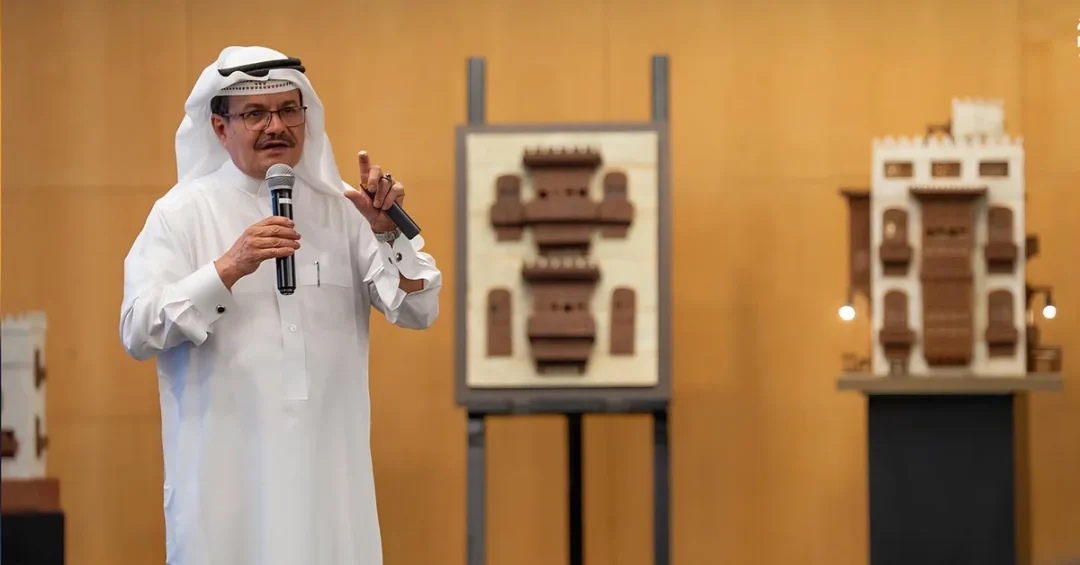
The Makkah Chamber of Commerce has organized a specialized workshop on handcrafted woodwork, reaffirming the Kingdom of Saudi Arabia’s commitment to preserving traditional arts as a vital component of its cultural and heritage identity. The event, announced via the Saudi Press Agency, brought together artisans, heritage experts, and cultural stakeholders to celebrate and sustain the intricate craft that has long defined the visual character of Makkah’s historic architecture and social life.
Woodwork holds a special place in Makkah’s legacy, deeply intertwined with traditional architecture and historical social lifestyles. The ingenuity of local craftspeople was evident in the creation of wooden doors and ornate window frames that helped define the visual identity of Makkah’s old homes. Artisans also crafted chests, household items, and various objects that were integral to the daily lives of the city’s residents and its traditional marketplaces. The workshop underscores how such initiatives play a vital role in safeguarding artisanal skills from extinction and facilitating the intergenerational transfer of expertise. They also open new horizons for craftspeople and creators, enabling them to develop products inspired by Makkah’s heritage. How can such workshops ensure that ancient skills remain relevant in a rapidly modernizing economy?
Context and Background
Makkah, the holiest city in Islam, has for centuries been a crossroads of trade, pilgrimage, and cultural exchange. Its traditional architecture, with its distinctive wooden doors, intricate window frames, and handcrafted furnishings, reflects a rich tapestry of influences from across the Islamic world. The Makkah Chamber of Commerce, a key institution supporting the city’s economic and cultural development, recognizes that preserving these crafts is not merely about nostalgia but about maintaining a living heritage that contributes to the Kingdom’s identity and economic diversification.
The workshop is part of a broader effort by Saudi authorities to document, revive, and promote traditional crafts across the Kingdom. Under the umbrella of Vision 2030, the national transformation plan spearheaded by Crown Prince Mohammed bin Salman, cultural heritage is seen as a pillar of social and economic progress. The Ministry of Culture, established in 2018, has launched numerous programs to support artisans, including the Year of Handicrafts initiative and the National Handicrafts Strategy. These efforts aim to create a sustainable ecosystem where traditional skills can thrive alongside modern innovation. Isn’t it remarkable how a single workshop can serve as a microcosm of a nation’s broader cultural renaissance?
Historically, Makkah’s woodworkers were highly respected for their craftsmanship. They used locally sourced woods such as sidr and talh, along with imported timbers, to create doors adorned with geometric patterns and calligraphy. These doors were not just functional; they were statements of identity and status. The old neighborhoods of Makkah, such as Al-Balad and Jarwal, were characterized by such artistry. However, with the rapid urbanization of the 20th century, many of these traditional skills faced decline as modern building materials and mass-produced items became prevalent. The Makkah Chamber’s workshop is a direct response to this challenge, aiming to reverse the trend by engaging young Saudis and providing them with the tools and knowledge to carry the torch forward.
Key Details of the Workshop
The workshop, held in Makkah, featured hands-on demonstrations, lectures, and exhibitions of traditional woodwork. Master artisans shared their techniques for carving, joinery, and finishing, while participants had the opportunity to try their hand at creating simple wooden objects. The event also highlighted the economic potential of handcrafted woodwork, showcasing how contemporary designers are blending traditional motifs with modern aesthetics to create products for today’s markets. According to the Saudi Press Agency, the workshop emphasized the importance of intergenerational knowledge transfer, with older craftsmen mentoring younger apprentices.
Key figures from the Makkah Chamber of Commerce and local heritage organizations attended, underscoring the collaborative nature of the initiative. The chamber has been actively involved in promoting Makkah’s cultural economy, recognizing that heritage crafts can be a source of tourism revenue and job creation. The workshop also served as a platform for discussing the challenges facing artisans, such as access to raw materials, marketing support, and intellectual property protection. By addressing these issues, the chamber hopes to create a more enabling environment for craftspeople to thrive. How often do we pause to appreciate the stories embedded in a single hand-carved door?
In addition to the practical sessions, the workshop included a session on digital documentation and e-commerce, helping artisans leverage technology to reach wider audiences. This aligns with the Kingdom’s push for digital transformation and the growth of the creative industries. The event concluded with a commitment to hold similar workshops in the future, ensuring that the momentum continues. The Makkah Chamber of Commerce’s initiative is a clear signal that traditional crafts are not relics of the past but vital threads in the fabric of Saudi Arabia’s future.
International and Regional Impact
The preservation of Makkah’s woodwork heritage has significance beyond Saudi Arabia’s borders. As the host of the annual Hajj pilgrimage, which draws millions of Muslims from around the world, Makkah is a global city. Its cultural heritage is part of the shared Islamic legacy. By safeguarding these crafts, Saudi Arabia contributes to the preservation of world heritage, in line with UNESCO conventions. The workshop also positions the Kingdom as a leader in cultural diplomacy, showcasing its commitment to protecting the diversity of human creativity.
Regionally, the initiative complements efforts in other Gulf countries to revive traditional crafts. However, Makkah’s unique status gives its heritage a special resonance. The workshop could serve as a model for other cities in the region, demonstrating how local chambers of commerce can play a pivotal role in cultural preservation. Furthermore, the emphasis on intergenerational transfer addresses a common challenge across the Arab world: the risk of losing intangible cultural heritage as older generations pass away. Isn’t it inspiring to see how a local workshop can have ripple effects across the region and beyond?
Economic and Strategic Significance
From an economic perspective, the revival of handcrafted woodwork aligns with Vision 2030’s goals of diversifying the economy away from oil and creating opportunities for small and medium-sized enterprises (SMEs). The handicrafts sector has the potential to generate income for artisans, support tourism, and contribute to the creative economy. The Makkah Chamber of Commerce’s workshop is a step toward formalizing this sector, providing training, networking, and market linkages. It also supports the National Industrial Development and Logistics Program, which aims to boost local manufacturing and exports.
Strategically, preserving cultural heritage is a soft power asset. It enhances Saudi Arabia’s image abroad, attracts tourists, and fosters a sense of national pride. The workshop reinforces the Kingdom’s narrative of a society that honors its past while embracing the future. As the country opens up to international visitors under the Vision 2030 tourism strategy, authentic cultural experiences will be in high demand. Handcrafted woodwork, with its deep roots in Makkah’s history, can become a signature offering for visitors seeking meaningful connections with the city’s heritage. How can the economic potential of heritage crafts be fully unlocked without compromising their authenticity?
Vision 2030 Alignment
The Makkah Chamber of Commerce’s workshop is a direct reflection of Vision 2030’s cultural and economic objectives. The plan explicitly calls for the preservation and promotion of Saudi heritage, recognizing it as a cornerstone of national identity and a driver of economic growth. The Ministry of Culture and its various commissions, such as the Heritage Commission and the Museums Commission, are working to integrate heritage into education, tourism, and urban development. The workshop exemplifies how local institutions can contribute to these national goals.
Looking ahead, the success of such initiatives will depend on sustained investment, collaboration, and innovation. The Makkah Chamber of Commerce has signaled its intention to continue supporting artisans, and the Kingdom’s broader ecosystem is increasingly favorable. As Saudi Arabia marches toward 2030, the preservation of traditional woodwork will stand as a testament to the nation’s ability to honor its roots while building a prosperous future. The workshop is not just about wood; it is about identity, resilience, and the enduring spirit of Makkah. What greater legacy could a nation leave than the preservation of its cultural soul for generations to come?
20 Questions
Q1. What is the main purpose of the workshop organized by the Makkah Chamber of Commerce?
A1. The workshop aims to highlight traditional woodwork, safeguard artisanal skills from extinction, and facilitate the intergenerational transfer of expertise, while enabling craftspeople to develop heritage-inspired products.
Q2. Why is woodwork considered important to Makkah’s heritage?
A2. Woodwork is deeply intertwined with Makkah’s traditional architecture and social lifestyles, evident in wooden doors, ornate window frames, chests, and household items that defined the city’s old homes and marketplaces.
Q3. Who organized the workshop on handcrafted woodwork?
A3. The Makkah Chamber of Commerce organized the workshop, as reported by the Saudi Press Agency, bringing together artisans, heritage experts, and cultural stakeholders.
Q4. How do workshops help preserve traditional crafts?
A4. Workshops play a vital role in safeguarding artisanal skills from extinction by facilitating the intergenerational transfer of expertise and opening new horizons for craftspeople to create heritage-inspired products.
Q5. What types of wooden items were traditionally crafted in Makkah?
A5. Artisans crafted wooden doors, ornate window frames, chests, household items, and various objects integral to daily life and traditional marketplaces in Makkah.
Q6. How does the workshop align with Saudi Vision 2030?
A6. It aligns with Vision 2030’s cultural and economic objectives by preserving heritage, supporting SMEs, boosting tourism, and contributing to the creative economy and national identity.
Q7. What is the significance of intergenerational knowledge transfer in this context?
A7. Intergenerational knowledge transfer ensures that ancient skills are passed down to younger generations, preventing the loss of intangible cultural heritage and keeping traditions alive.
Q8. Which Saudi ministry oversees cultural heritage initiatives?
A8. The Ministry of Culture, established in 2018, oversees cultural heritage initiatives, including the Heritage Commission and the Museums Commission, under Vision 2030.
Q9. How can handcrafted woodwork contribute to Saudi Arabia’s economy?
A9. It can generate income for artisans, support SMEs, attract tourists seeking authentic experiences, and contribute to the diversification of the economy away from oil.
Q10. What challenges do traditional artisans face today?
A10. Artisans face challenges such as access to raw materials, marketing support, intellectual property protection, and competition from mass-produced items.
Q11. How does the workshop address the risk of skills extinction?
A11. By providing hands-on training, mentorship from master artisans, and a platform for knowledge exchange, the workshop directly counters the risk of skills extinction.
Q12. What role does the Makkah Chamber of Commerce play in cultural preservation?
A12. The chamber actively promotes Makkah’s cultural economy, supports artisans, and organizes workshops to integrate heritage crafts into the modern economy.
Q13. How does woodwork reflect Makkah’s visual identity?
A13. Wooden doors and ornate window frames with geometric patterns and calligraphy defined the visual identity of Makkah’s old homes and neighborhoods.
Q14. What is the significance of the workshop for international audiences?
A14. It showcases Saudi Arabia’s commitment to preserving world heritage, enhances cultural diplomacy, and offers authentic cultural experiences for international visitors.
Q15. How can technology support traditional crafts?
A15. Technology can aid in digital documentation, e-commerce, and marketing, helping artisans reach wider audiences and sustain their businesses.
Q16. What materials were traditionally used in Makkah’s woodwork?
A16. Local woods such as sidr and talh, along with imported timbers, were used to create durable and ornate wooden items.
Q17. How does the workshop promote tourism in Makkah?
A17. By preserving and promoting traditional crafts, the workshop helps create authentic cultural experiences that attract tourists interested in heritage.
Q18. What are the long-term goals of such workshops?
A18. Long-term goals include creating a sustainable ecosystem for artisans, integrating heritage into education and tourism, and ensuring the transmission of skills to future generations.
Q19. How does the workshop support Saudi Arabia’s soft power?
A19. It enhances the Kingdom’s image abroad as a custodian of Islamic heritage, fosters national pride, and strengthens cultural ties with other nations.
Q20. What can other regions learn from Makkah’s initiative?
A20. Other regions can learn the value of local chamber-led workshops, intergenerational mentorship, and integrating heritage crafts into economic development strategies.
Reader Feedback
We value your thoughts. Please share your feedback on this article.
Your feedback helps us improve our coverage.
Related articles
 Qassim’s Traditional Winter Farwah Stands the Test of Time
 Makkah Cosmos Science Center Wins Global Visitor Experience Award
 Riyadh Hosts International Tolerance Forum
 Saudi Camel Handlers Keep Ancient Caravan Legacy Alive
 Red Sea Labs Opens Applications for Music and Sound Program
 Najran’s Traditional Windows Reflect Heritage Identity