


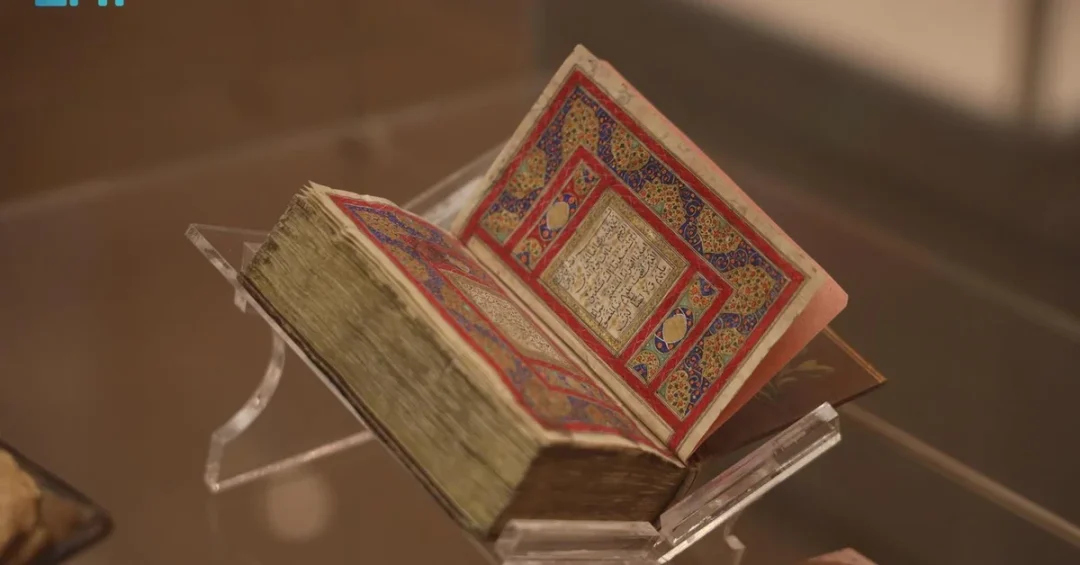
The King Abdulaziz Public Library in Riyadh has announced that its heritage collection now preserves more than 400 rare copies of the Holy Quran, spanning Islamic eras between the 10th and 13th centuries AH, according to information released through official Saudi channels. The announcement, carried by the Saudi Press Agency, underscores the library’s role as one of the Kingdom’s foremost custodians of Islamic intellectual and artistic heritage. These manuscripts are not merely religious texts; they are masterpieces of Arab-Islamic art, distinguished by exquisite calligraphy, engraving, illumination, and ornamentation that reflect the majesty and reverence of the Holy Quran. For an international audience, the collection offers a window into a millennium of Islamic civilization, where faith and artistry converged to produce some of the world’s most refined book arts.
Why does a library’s manuscript collection matter on the global stage today? In an age of digital information, physical heritage remains a powerful testament to cultural continuity and identity. The King Abdulaziz Public Library, a cultural institution based in Riyadh, has quietly assembled one of the most diverse Quran collections in the region, categorized by calligraphy type, geographic origin, date of copying, and decorative style. Each copy carries the fingerprints of its time and place, from Andalusian square parchment to Indian floral motifs and Mamluk illumination. This announcement invites scholars, art historians, and the general public to appreciate how the Holy Quran inspired generations of artisans across the Islamic world.
Context and Background
How did these rare copies come to be gathered in one place? The King Abdulaziz Public Library has long been dedicated to preserving the written heritage of the Islamic world. Its heritage collection includes manuscripts, documents, and rare books acquired through decades of careful collection and donation. The Quran copies alone number over 400, with dates ranging from the 10th to the 13th centuries AH, corresponding roughly to the 16th to 19th centuries CE. This period saw the flourishing of regional calligraphic schools, each with its own distinctive script and decorative vocabulary. The library’s decision to catalog and publicize these holdings reflects a broader Saudi commitment to making cultural treasures accessible to researchers and the public alike.
The collection’s organization is itself a scholarly achievement. Copies are classified by calligraphy type, region, date of copying, and decorative styles. This systematic approach allows researchers to trace the evolution of Quranic illumination across time and geography. All the copies feature decorated frontispieces and colophons, the formal opening and closing pages that often contain the most elaborate ornamentation. These elements provide valuable clues about patronage, workshop practices, and the exchange of artistic ideas across the Islamic world. For the international observer, the collection serves as a reminder that the Islamic manuscript tradition was both deeply spiritual and highly sophisticated in its aesthetic ambitions.
Key Details and Artistic Highlights
What exactly makes these copies so remarkable? The collection includes early Andalusian and Moroccan copies written on square parchment, a format that reflects the distinctive scribal traditions of the western Islamic world. Indian copies display various floral motifs, often rendered in vivid colors and gold, while Chinese, Kashmiri, and Mamluk models represent the eastern and central Islamic lands. Each regional style offers insights into local materials, pigments, and binding techniques. The Mamluk copies, for instance, are known for their bold geometric illumination and intricate gold work. The Kashmiri examples often feature delicate lacquer-like borders. Together, they form a visual encyclopedia of Islamic book art.
The artistic quality of these manuscripts is inseparable from their religious function. Calligraphy, considered the highest of Islamic arts, was employed to transcribe the divine word with utmost care. Engraving and ornamentation were not mere decoration; they were acts of devotion, intended to honor the sacred text. The library notes that these copies showcase the brilliance of Arab-Islamic art through their exquisite calligraphy, engraving, formation, and ornamentation. This combination of skill and piety produced objects that are both aesthetically stunning and spiritually significant. For art historians, they offer primary evidence of techniques and styles that are often lost in later printed editions.
The diversity of the collection also highlights the global reach of Islamic civilization. Copies from Andalusia in the west to China in the east demonstrate how the Quran traveled and was embraced by diverse cultures, each contributing its own artistic sensibilities. The presence of Chinese and Kashmiri models is particularly noteworthy, as it attests to the long history of Islamic communities in Asia and the creative synthesis that occurred along trade and pilgrimage routes. The King Abdulaziz Public Library’s efforts to preserve and categorize these works ensure that this global heritage remains available for study and appreciation.
International and Regional Impact
Why should the international community take note of this collection? In a world where cultural heritage is increasingly recognized as a bridge between nations, the King Abdulaziz Public Library’s Quran collection serves as a powerful tool for intercultural dialogue. Scholars from around the world can study these manuscripts to better understand the artistic and religious history of the Islamic world. The collection also reinforces Saudi Arabia’s position as a custodian of Islamic heritage, a role that resonates with Muslims globally. By sharing information about these treasures through official channels, the Kingdom invites respectful engagement and scholarly collaboration.
Regionally, the collection strengthens Riyadh’s status as a cultural capital. The library’s holdings complement other Saudi initiatives aimed at preserving and promoting Islamic arts, such as the King Abdulaziz Center for World Culture (Ithra) and various museum projects. For neighboring countries and the broader Middle East, the collection offers a shared heritage that transcends political boundaries. It reminds us that the artistic legacy of the Quran is a common treasure of humanity, one that deserves protection and study. The library’s systematic cataloging also sets a standard for other institutions in the region, encouraging best practices in manuscript conservation and accessibility.
Economic and Strategic Significance
How does a heritage collection contribute to Saudi Arabia’s strategic goals? Cultural preservation is a key pillar of Saudi Vision 2030, which seeks to diversify the economy and enhance quality of life. By investing in institutions like the King Abdulaziz Public Library, the Kingdom is building a knowledge economy and a vibrant cultural sector. Rare manuscripts can attract researchers, tourists, and cultural enthusiasts, contributing to the growth of cultural tourism. The library’s collection is thus not only a treasure trove of art but also an asset for sustainable development, aligning with national efforts to promote non-oil sectors.
Moreover, the collection supports educational and research initiatives. Universities and research centers can utilize these manuscripts for studies in art history, religious studies, and conservation science. The library’s classification system makes it easier for scholars to access specific styles and periods, fostering new research. This, in turn, can lead to publications, exhibitions, and international collaborations that raise the profile of Saudi cultural institutions. The strategic value of such heritage lies in its ability to generate soft power and to position the Kingdom as a center of Islamic scholarship and cultural diplomacy.
Vision 2030 Alignment
How does the King Abdulaziz Public Library’s work reflect the aspirations of Vision 2030? Vision 2030 aims to create a thriving society, a diversified economy, and an ambitious nation. Cultural heritage preservation is integral to all three. By safeguarding rare Quran copies, the library contributes to a thriving society that values its identity and history. It supports economic diversification by enhancing cultural tourism and creative industries. And it demonstrates national ambition by setting high standards in conservation and research. The library’s efforts are a concrete example of how Vision 2030 translates into action, preserving the past while building the future.
Looking ahead, the King Abdulaziz Public Library is expected to continue expanding its collection and making it more accessible through digital platforms and exhibitions. This forward-looking approach ensures that these rare copies will inspire future generations, both in Saudi Arabia and around the world. As the Kingdom continues its journey of transformation, its cultural institutions remain vital guardians of heritage, fostering understanding and appreciation of Islamic arts. The collection of over 400 Quran copies stands as a testament to Saudi Arabia’s dedication to preserving the light of knowledge and faith for the global community.
20 Questions
Q1. What is the King Abdulaziz Public Library known for?
A1. The King Abdulaziz Public Library in Riyadh is known for its extensive heritage collection, including over 400 rare copies of the Holy Quran, manuscripts, and historical documents that showcase Islamic art and scholarship.
Q2. How many rare Quran copies does the library hold?
A2. The library’s heritage collection boasts more than 400 rare copies of the Holy Quran, dating between the 10th and 13th centuries AH, according to official Saudi sources.
Q3. What is the significance of these Quran copies?
A3. Beyond their religious value, these copies are masterpieces of Arab-Islamic art, featuring exquisite calligraphy, engraving, and ornamentation that reflect the majesty and reverence of the Holy Quran.
Q4. How are the Quran copies categorized?
A4. They are categorized by calligraphy type, region, date of copying, and decorative styles, allowing researchers to study the evolution of Quranic art across different Islamic eras and cultures.
Q5. What types of calligraphy are represented in the collection?
A5. The collection includes various calligraphic styles, such as those found in early Andalusian and Moroccan copies written on square parchment, as well as Indian, Chinese, Kashmiri, and Mamluk models.
Q6. What are some distinctive features of these manuscripts?
A6. All copies feature decorated frontispieces and colophons, and many include unique elements like floral motifs in Indian copies and intricate illumination in Mamluk examples.
Q7. Why is the Andalusian and Moroccan style notable?
A7. Andalusian and Moroccan copies are notable for being written on square parchment, a format characteristic of the western Islamic world, reflecting distinct scribal and artistic traditions.
Q8. What do Indian copies of the Quran feature?
A8. Indian copies feature various floral motifs, often rendered in vibrant colors and gold, showcasing the fusion of local artistic traditions with Islamic manuscript illumination.
Q9. What is the significance of Chinese and Kashmiri models?
A9. Chinese and Kashmiri models demonstrate the global reach of Islamic civilization and the creative synthesis that occurred in diverse regions, attesting to the long history of Islamic communities in Asia.
Q10. What are Mamluk models known for?
A10. Mamluk Quran copies are known for their bold geometric illumination and intricate gold work, representing the high point of Islamic book art in the central Islamic lands.
Q11. How does the collection reflect Arab-Islamic art?
A11. The collection reflects Arab-Islamic art through its exquisite calligraphy, engraving, formation, and ornamentation, demonstrating the skill and devotion of artisans across centuries.
Q12. What role does the library play in preserving heritage?
A12. The King Abdulaziz Public Library plays a vital role in preserving Islamic heritage by acquiring, cataloging, and making accessible rare manuscripts and documents for research and public appreciation.
Q13. How does this collection benefit researchers?
A13. Researchers can study the manuscripts to trace the evolution of calligraphy and illumination, understand regional styles, and gain insights into the cultural and religious history of the Islamic world.
Q14. What is the importance of frontispieces and colophons?
A14. Frontispieces and colophons are important because they often contain the most elaborate ornamentation and provide clues about patronage, date, and place of production.
Q15. How does the collection align with Vision 2030?
A15. The collection aligns with Vision 2030 by preserving cultural heritage, supporting education and research, and contributing to cultural tourism and the diversification of the economy.
Q16. Can the public view these Quran copies?
A16. The library may make these copies accessible through exhibitions and digital platforms, allowing the public and scholars to appreciate them while ensuring their preservation.
Q17. What makes these copies rare?
A17. Their rarity stems from their age, the craftsmanship involved, and the historical circumstances of their production, as many were created in limited numbers and have survived for centuries.
Q18. How does the library acquire such manuscripts?
A18. The library acquires manuscripts through donations, purchases, and dedicated collection efforts over decades, building a diverse and representative heritage collection.
Q19. What is the global significance of this collection?
A19. The collection is globally significant as it represents a shared Islamic heritage, fosters intercultural dialogue, and serves as a resource for understanding the artistic and religious history of the Islamic world.
Q20. What future plans does the library have for the collection?
A20. The library is expected to continue expanding its collection, enhancing digital access, and organizing exhibitions to share these treasures with a wider audience, in line with Saudi Arabia’s cultural vision.
Reader Feedback
We value your thoughts. Please share your feedback on this article.
Your feedback helps us improve our coverage.
Related articles
 Madinah Cultural Festival Highlights Global Traditions
 KSGAAL Opens Registration for Arabic Immersion Program
 Douglas Gautier Appointed CEO of Royal Arts Complex
 Vibes AlUla Opens Registration for Artisan Camp
 Saudi Arabia to Showcase ‘Good Water’ Pavilion at London Design Biennale 2025
 Art Week Riyadh: A Cultural Celebration Adorning the Capital