


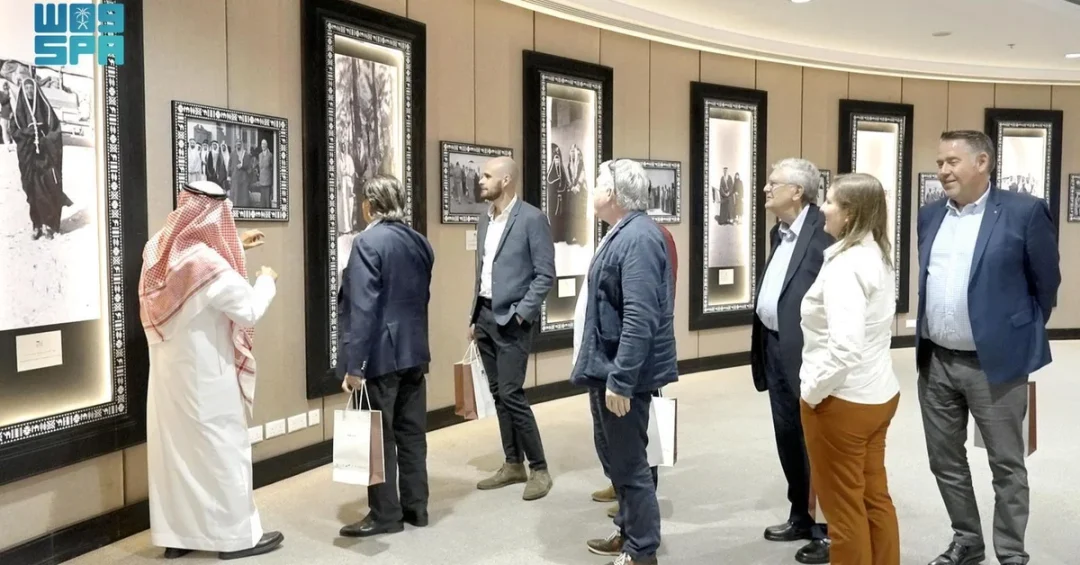
A delegation from Messengers of Peace, an initiative by the World Scout Foundation, visited the King Abdulaziz Public Library in Riyadh on Monday, April 15, 2025, to review its cultural and knowledge-based programs and initiatives. The visit, reported by the Saudi Press Agency, underscores the library’s growing role as a global hub for cultural exchange and its alignment with Saudi Arabia’s Vision 2030 goals of fostering international partnerships and promoting cultural diplomacy. Accompanied by Faisal bin Abdulrahman bin Muammar, the library’s general supervisor, the delegation was briefed on the library’s efforts to promote culture locally and internationally, as well as its tourism program supported by a new strategy to present its collections as an open knowledge museum.
Have you ever wondered how a library can serve as a bridge between nations? The King Abdulaziz Public Library, one of the Kingdom’s most prestigious cultural institutions, is doing exactly that by hosting international delegations and showcasing Saudi Arabia’s rich heritage and modern aspirations. The Messengers of Peace delegation’s visit highlights the library’s commitment to knowledge sharing and cultural dialogue, reflecting the Kingdom’s broader vision of global engagement. This visit is not just a routine tour; it represents a strategic effort to position Saudi Arabia as a leader in cultural diplomacy and a destination for intellectual exchange.
Context and Background
What makes the King Abdulaziz Public Library a pivotal player in Saudi Arabia’s cultural landscape? Established in 1985, the library has evolved into a comprehensive cultural institution that houses vast collections of manuscripts, rare books, and digital archives. It serves as a research center, a museum, and a community hub, offering programs that span from historical preservation to contemporary art. Its mission aligns with the Kingdom’s Vision 2030, which emphasizes the importance of culture as a pillar of national identity and economic diversification. The library’s initiatives are designed to make knowledge accessible to all, both within Saudi Arabia and beyond its borders.
The Messengers of Peace initiative, spearheaded by the World Scout Foundation, is a global movement that encourages young people to contribute to peace and community development through scouting. With millions of participants worldwide, the initiative focuses on fostering dialogue, promoting tolerance, and addressing social challenges. The delegation’s visit to Riyadh is part of a broader effort to engage with cultural institutions in Saudi Arabia and explore opportunities for collaboration. By visiting the King Abdulaziz Public Library, the delegation gains insight into how Saudi Arabia is leveraging its cultural heritage to build bridges with the international community. This interaction also provides the library with a platform to showcase its innovative approaches to cultural preservation and education.
How does this visit reflect Saudi Arabia’s commitment to global cultural exchange? It demonstrates the Kingdom’s openness to international partnerships and its desire to share its cultural wealth with the world. Under the leadership of the Custodian of the Two Holy Mosques, King Salman bin Abdulaziz Al Saud, and His Royal Highness Crown Prince Mohammed bin Salman, Saudi Arabia has accelerated efforts to promote cultural diplomacy as part of Vision 2030. The library’s collaboration with Messengers of Peace is a testament to these efforts, highlighting the role of cultural institutions in fostering mutual understanding and peace.
Key Details of the Delegation’s Visit
What specific aspects of the library’s work were highlighted during the delegation’s tour? The Messengers of Peace representatives were introduced to the library’s diverse cultural and knowledge-based programs, which include exhibitions, lectures, workshops, and digital initiatives. These programs are designed to engage both local and international audiences, making Saudi culture accessible to a global public. The delegation learned about the library’s efforts to digitize its collections, ensuring that rare manuscripts and historical documents are preserved for future generations and can be accessed remotely. This digital transformation is a key component of the library’s strategy to reach a wider audience and fulfill its educational mission.
The library’s tourism program, supported by a new strategy to present its collections as an open knowledge museum, was a focal point of the visit. This innovative approach transforms traditional library spaces into interactive experiences, allowing visitors to explore Saudi history and culture in engaging ways. The strategy includes guided tours, multimedia exhibits, and thematic displays that cater to tourists and researchers alike. By positioning itself as a tourist destination, the library contributes to Saudi Arabia’s growing tourism sector, which aims to attract 150 million visitors annually by 2030. The delegation was briefed on how this program integrates with the Kingdom’s broader tourism goals, offering cultural enrichment alongside recreational activities.
How does the library’s open knowledge museum concept redefine the role of cultural institutions? It shifts the paradigm from passive observation to active engagement, inviting visitors to participate in the learning process. The library’s general supervisor, Faisal bin Abdulrahman bin Muammar, emphasized the importance of such initiatives in promoting cross-cultural understanding. He noted that the library is committed to serving as a beacon of knowledge and a meeting point for civilizations. The delegation expressed appreciation for the library’s efforts and discussed potential areas of cooperation, such as joint youth programs and peace-building activities. This exchange of ideas underscores the mutual benefits of international cultural partnerships.
International and Regional Impact
What does this visit signify for Saudi Arabia’s role in the region and beyond? It reinforces the Kingdom’s position as a cultural leader in the Middle East and a proactive participant in global dialogue. By hosting delegations like Messengers of Peace, Saudi Arabia demonstrates its commitment to fostering peace and understanding, values that are central to its foreign policy. The visit also highlights the potential for cultural diplomacy to complement political and economic ties, creating a more holistic approach to international relations. In a region often characterized by geopolitical tensions, such cultural exchanges offer a positive narrative and build goodwill.
Moreover, the partnership between the King Abdulaziz Public Library and Messengers of Peace could inspire similar collaborations across the Arab world and beyond. It sets a precedent for how cultural institutions can engage with global initiatives to address common challenges, such as youth empowerment and social cohesion. The World Scout Foundation’s network spans over 170 countries, providing a platform for Saudi Arabia to share its cultural heritage with a diverse audience. This exposure can enhance the Kingdom’s soft power and attract more international visitors and partners. As Saudi Arabia continues to open up under Vision 2030, such cultural engagements will play a crucial role in shaping its global image.
Economic and Strategic Significance
How does cultural diplomacy contribute to Saudi Arabia’s economic and strategic goals? Culture is increasingly recognized as a driver of economic growth, particularly in the tourism and creative sectors. The King Abdulaziz Public Library’s initiatives, including its tourism program, support the Kingdom’s efforts to diversify its economy away from oil dependence. By attracting tourists and researchers, the library generates revenue and creates jobs, aligning with Vision 2030’s economic objectives. Additionally, cultural exchanges can lead to business collaborations and investments, as international delegates gain a deeper understanding of Saudi Arabia’s market and opportunities.
Strategically, the library’s role as a knowledge hub enhances Saudi Arabia’s soft power, enabling it to influence global narratives and build alliances. The visit by Messengers of Peace is a small but significant step in this direction, showcasing the Kingdom’s cultural assets and its commitment to peace. As the library continues to expand its programs and partnerships, it will contribute to Saudi Arabia’s reputation as a forward-thinking nation that values both tradition and innovation. This balance is essential for maintaining cultural authenticity while embracing modernity, a key theme of Vision 2030.
Vision 2030 Alignment
How does the King Abdulaziz Public Library’s work align with Vision 2030? The library’s focus on cultural enrichment, education, and tourism directly supports several Vision 2030 pillars, including fostering a vibrant society and building a diversified economy. By preserving Saudi heritage and making it accessible globally, the library helps strengthen national identity and promotes cultural pride. Its digital initiatives and open knowledge museum concept are examples of how traditional institutions can innovate to meet modern demands, a core principle of Vision 2030. Furthermore, the library’s international engagements, such as the visit by Messengers of Peace, enhance Saudi Arabia’s global connectivity and cultural exchange, which are essential for achieving the vision’s goals.
In conclusion, the visit by the Messengers of Peace delegation to the King Abdulaziz Public Library highlights the Kingdom’s ongoing efforts to bridge cultures and promote peace through knowledge. As Saudi Arabia continues its transformative journey under Vision 2030, such cultural exchanges will remain vital in showcasing the nation’s rich heritage and its commitment to a prosperous and harmonious future. The library stands as a testament to the power of culture to unite people and inspire progress, and its partnerships with global initiatives like Messengers of Peace will undoubtedly yield lasting benefits for Saudi Arabia and the world.
20 Questions
Q1. What is Messengers of Peace?
A1. Messengers of Peace is a global initiative by the World Scout Foundation that encourages young people to contribute to peace and community development through scouting activities and dialogue.
Q2. Which institution did the delegation visit?
A2. The delegation visited the King Abdulaziz Public Library in Riyadh, a prominent cultural and knowledge hub in Saudi Arabia.
Q3. Who accompanied the delegation at the library?
A3. Faisal bin Abdulrahman bin Muammar, the library’s general supervisor, accompanied the delegation and briefed them on the library’s programs.
Q4. What is the King Abdulaziz Public Library known for?
A4. It is known for its extensive collections of manuscripts, rare books, and digital archives, as well as its cultural programs and initiatives that promote knowledge locally and internationally.
Q5. What was the purpose of the delegation’s visit?
A5. The purpose was to review the library’s cultural and knowledge-based programs and explore opportunities for collaboration in promoting peace and cultural exchange.
Q6. What is the library’s tourism program?
A6. The tourism program is a new strategy to present the library’s collections as an open knowledge museum, offering interactive experiences for visitors and tourists.
Q7. How does the library promote culture internationally?
A7. The library promotes culture internationally through digitization efforts, international partnerships, exhibitions, and hosting delegations like Messengers of Peace.
Q8. What is an open knowledge museum?
A8. An open knowledge museum is a concept that transforms traditional library spaces into interactive, engaging environments where visitors can explore collections and learn through multimedia exhibits.
Q9. How does this visit align with Vision 2030?
A9. It aligns with Vision 2030 by fostering cultural diplomacy, enhancing Saudi Arabia’s global engagement, and supporting economic diversification through tourism and knowledge exchange.
Q10. What is the World Scout Foundation?
A10. The World Scout Foundation is a global organization that supports the Scout Movement and initiatives like Messengers of Peace, which empower youth to create positive change.
Q11. How many countries does the World Scout Foundation operate in?
A11. The World Scout Foundation operates in over 170 countries, reaching millions of young people through scouting programs and peace initiatives.
Q12. What are some programs offered by the King Abdulaziz Public Library?
A12. Programs include exhibitions, lectures, workshops, digital initiatives, and guided tours that cater to diverse audiences and promote cultural understanding.
Q13. How does the library support Saudi Arabia’s tourism goals?
A13. By offering cultural experiences and positioning itself as a tourist destination, the library contributes to Saudi Arabia’s goal of attracting 150 million visitors annually by 2030.
Q14. What did the delegation learn about the library’s digital initiatives?
A14. The delegation learned about the library’s efforts to digitize rare manuscripts and historical documents, making them accessible globally and preserving them for future generations.
Q15. Who is Faisal bin Abdulrahman bin Muammar?
A15. He is the general supervisor of the King Abdulaziz Public Library, responsible for overseeing its programs and initiatives.
Q16. What is the significance of cultural diplomacy for Saudi Arabia?
A16. Cultural diplomacy enhances Saudi Arabia’s soft power, builds international goodwill, and supports Vision 2030’s goals of global engagement and economic diversification.
Q17. How does the library engage with local communities?
A17. The library engages local communities through educational programs, cultural events, workshops, and access to its vast collections, fostering a love for knowledge and heritage.
Q18. What potential collaborations were discussed during the visit?
A18. Potential collaborations include joint youth programs, peace-building activities, and cultural exchanges that leverage the strengths of both the library and Messengers of Peace.
Q19. How does the library preserve Saudi heritage?
A19. The library preserves Saudi heritage by maintaining collections of manuscripts, rare books, and artifacts, and by digitizing them to ensure long-term accessibility.
Q20. What impact will this visit have on future Saudi-international cultural relations?
A20. The visit strengthens Saudi-international cultural relations by opening doors for further partnerships, promoting mutual understanding, and showcasing Saudi Arabia’s cultural richness to a global audience.
Reader Feedback
We value your thoughts. Please share your feedback on this article.
Your feedback helps us improve our coverage.
Related articles
 Islamic Arts Biennale in Jeddah Enriches Visitors with Unique Sensory Experiences of Art
 Manga Arabia Launches Arabic Webtoons for Arab World
 Madinah Cultural Festival Showcases 90+ Nations
 Ministry of Culture Unveils New Typefaces Inspired by Heritage
 Diriyah Company Signs $1.4B Deal for Royal Diriyah Opera House
 SBA and Film Commission Sign Agreement to Boost Saudi Film Industry