


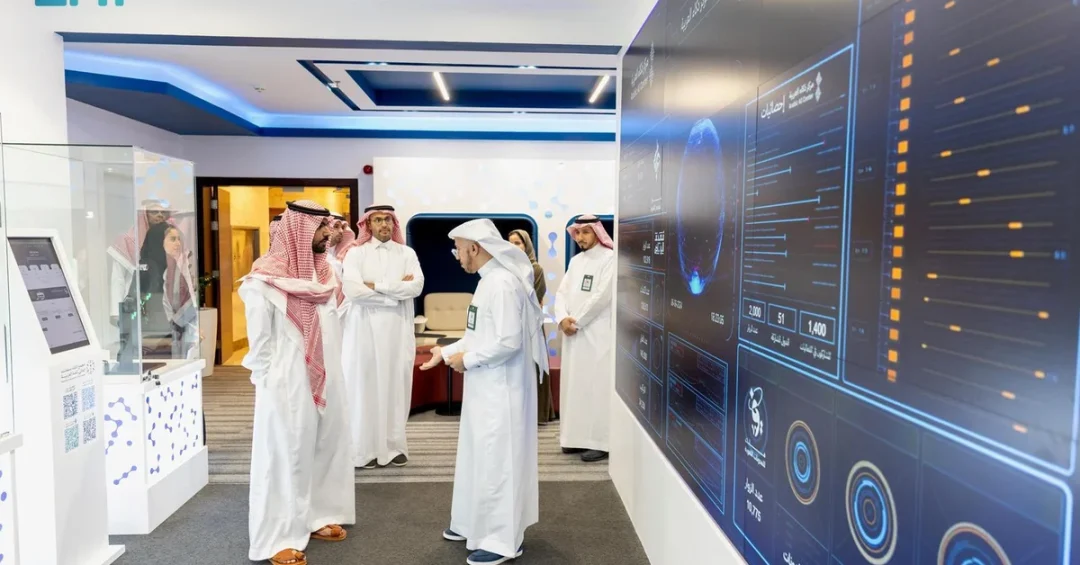
Minister of Culture and Chairman of the Board of Trustees of the King Salman Global Academy for Arabic Language (KSGAAL), Prince Badr bin Abdullah bin Farhan, visited the academy’s headquarters in Riyadh on September 8, 2024, to review its key projects and initiatives. The visit underscored the Kingdom’s commitment to advancing the Arabic language and culture, in line with Saudi Vision 2030.
Context and Background
The King Salman Global Academy for Arabic Language (KSGAAL) was established to promote the Arabic language globally, serving as a beacon for linguistic preservation and innovation. As the chairman of its Board of Trustees, Prince Badr’s visit highlights the academy’s pivotal role in language planning, computational linguistics, educational programs, and cultural initiatives. This aligns with Saudi Arabia’s broader efforts to enhance its cultural footprint and soft power under Vision 2030.
During the visit, Prince Badr was briefed on KSGAAL’s four specialized areas: language planning and policy, computational linguistics, educational programs, and cultural programs. He praised the academy’s linguistic achievements at both local and international levels, emphasizing the importance of collective efforts to meet the aspirations of the Kingdom’s leadership in advancing the Arabic language.
Key Details
The minister toured the Arabic Language Exhibition for Children, which features interactive and educational tools designed to engage children in various areas of the Arabic language. He also visited the Abjad Center for Teaching the Arabic Language, which offers advanced curricula for teaching Arabic to non-native speakers, and met with students from diverse countries. The visit concluded with a review of the Arabic Intelligence Center, where Prince Badr received a briefing on artificial intelligence techniques in Arabic language processing and examined applications and tools designed to preserve the Arabic language in the digital space.
These initiatives reflect KSGAAL’s commitment to leveraging technology and education to ensure the Arabic language’s relevance in the modern world. The academy’s work supports researchers, developers, and learners, fostering a deeper appreciation for Arabic culture and heritage.
Implications and Impact
The Minister of Culture’s visit underscores the Saudi leadership’s dedication to promoting Arabic as a global language. By integrating AI and digital tools, KSGAAL is at the forefront of linguistic innovation, which enhances Saudi Arabia’s position as a cultural and intellectual hub. This visit also signals continued government support for cultural institutions, which is crucial for achieving the goals of Vision 2030, particularly in diversifying the economy and fostering international engagement.
Furthermore, the academy’s efforts to teach Arabic to non-native speakers and engage children through interactive exhibitions contribute to cultural exchange and understanding, strengthening Saudi Arabia’s soft power and diplomatic ties.
Vision 2030 Alignment
This initiative aligns with Saudi Vision 2030’s cultural objectives, which aim to preserve and promote Saudi heritage while embracing modernization. By advancing the Arabic language through education and technology, KSGAAL supports the vision’s focus on building a vibrant society and a diversified economy. The academy’s work is a testament to the Kingdom’s commitment to cultural sustainability and global cultural leadership.
20 Questions
Q1. Who visited the KSGAAL headquarters?
A1. Prince Badr bin Abdullah bin Farhan, Minister of Culture and Chairman of the Board of Trustees of KSGAAL, visited the headquarters in Riyadh on September 8, 2024.
Q2. What is KSGAAL?
A2. KSGAAL stands for the King Salman Global Academy for Arabic Language, an institution dedicated to promoting and preserving the Arabic language globally through various initiatives and projects.
Q3. What are the four specialized areas of KSGAAL?
A3. The four areas are language planning and policy, computational linguistics, educational programs, and cultural programs, each focusing on different aspects of Arabic language development.
Q4. What did Prince Badr praise during his visit?
A4. He praised KSGAAL’s linguistic achievements at both local and international levels in promoting the Arabic language and culture, highlighting the importance of collective efforts.
Q5. What exhibition did the minister tour?
A5. He toured the Arabic Language Exhibition for Children, which features interactive and educational tools designed for children in various areas of the Arabic language.
Q6. What is the Abjad Center?
A6. The Abjad Center for Teaching the Arabic Language offers advanced curricula for teaching Arabic to non-native speakers and hosts students from diverse countries.
Q7. Who did Prince Badr meet at the Abjad Center?
A7. He met with several students from diverse countries who are learning Arabic at the center, demonstrating the academy’s international reach.
Q8. What is the Arabic Intelligence Center?
A8. The Arabic Intelligence Center focuses on artificial intelligence techniques in Arabic language processing, developing applications and tools to preserve Arabic in the digital space.
Q9. How does KSGAAL use technology?
A9. KSGAAL uses artificial intelligence and digital tools to process and preserve the Arabic language, benefiting researchers and developers in the field.
Q10. What is the significance of this visit?
A10. The visit underscores the Saudi leadership’s commitment to advancing the Arabic language and culture, aligning with Vision 2030’s cultural objectives and enhancing Saudi Arabia’s global cultural presence.
Q11. How does KSGAAL align with Vision 2030?
A11. KSGAAL supports Vision 2030 by promoting cultural sustainability, education, and technological innovation, contributing to a vibrant society and diversified economy.
Q12. What are the educational programs at KSGAAL?
A12. Educational programs include teaching Arabic to non-native speakers through the Abjad Center and interactive learning tools for children, fostering language acquisition and cultural appreciation.
Q13. How does KSGAAL contribute to cultural exchange?
A13. By teaching Arabic to non-native speakers and engaging international students, KSGAAL facilitates cultural exchange and understanding, strengthening Saudi Arabia’s soft power.
Q14. What role does the Minister of Culture play in KSGAAL?
A14. As Chairman of the Board of Trustees, Prince Badr bin Abdullah bin Farhan oversees KSGAAL’s strategic direction and ensures alignment with national cultural goals.
Q15. What are language planning and policy at KSGAAL?
A15. This area involves developing strategies and policies to promote the Arabic language, ensuring its relevance and growth in various domains locally and internationally.
Q16. How does KSGAAL benefit researchers?
A16. KSGAAL provides tools and applications for Arabic language processing, enabling researchers to study and develop linguistic resources, thus advancing computational linguistics.
Q17. What interactive tools are featured in the children’s exhibition?
A17. The exhibition includes interactive and educational tools designed to engage children in learning various aspects of the Arabic language, making language acquisition enjoyable and effective.
Q18. What is the global impact of KSGAAL’s initiatives?
A18. KSGAAL’s initiatives promote Arabic as a global language, enhance cultural diplomacy, and position Saudi Arabia as a leader in linguistic innovation and preservation.
Q19. How does KSGAAL preserve Arabic in the digital space?
A19. Through the Arabic Intelligence Center, KSGAAL develops AI applications and tools that process and preserve Arabic, ensuring its vitality in digital platforms.
Q20. What future projects might KSGAAL undertake?
A20. Future projects may include expanding digital resources, enhancing AI capabilities, and increasing international partnerships to further promote Arabic language and culture globally.
Reader Feedback
We value your thoughts. Please share your feedback on this article.
Your feedback helps us improve our coverage.
Related articles
 GEA Launches Golden Pen Award Website
 Music Commission Unveils London ‘Marvels of Saudi Orchestra’ Concert
 The Camel through the Ages’ Exhibition Opens at Ithra Museum
 Culinary Arts Commission Launches ‘Irth’ Store and Café in Three Saudi Cities
 KACCC Announces Cultural Communication Award Winners
 Crown Prince Patronizes 4th National Cultural Awards