


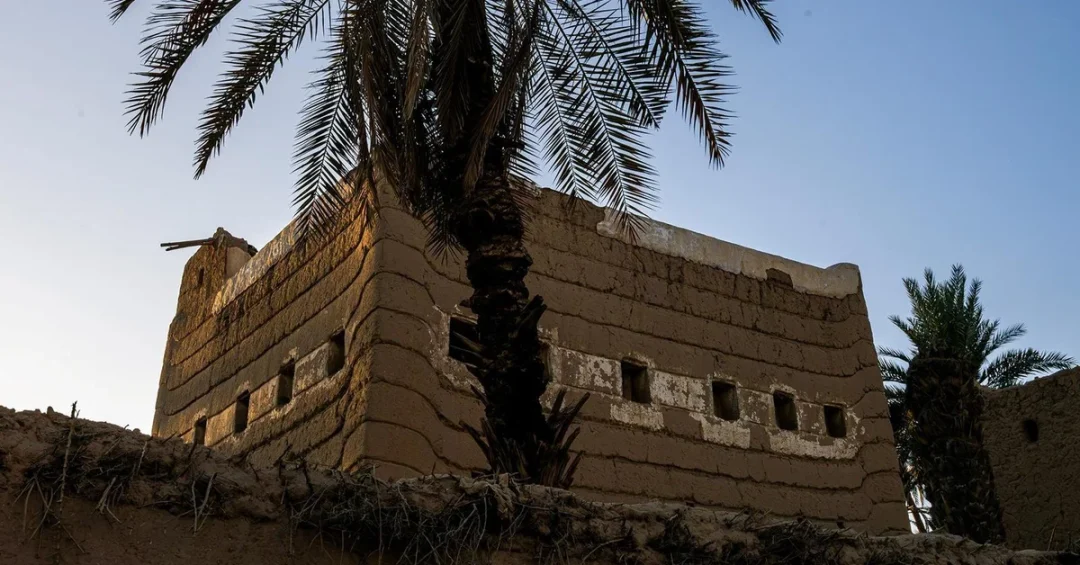
Mud houses and palm trees in Najran Region stand in striking harmony, reflecting the area’s rich natural and cultural diversity, according to the Saudi Press Agency (SPA). The iconic pairing of earthen architecture and lush palm groves defines the visual character of Najran’s historic oases, where traditional building practices and agricultural life have intertwined for generations. This enduring landscape, highlighted in a recent SPA report, underscores the Kingdom’s commitment to preserving its heritage while advancing modern development.
Context and Background
Najran Region, located in southwestern Saudi Arabia, is renowned for its ancient mud-brick structures and extensive palm oases. These elements are not merely scenic; they represent a centuries-old synergy between human settlement and the harsh desert environment. The palm trees provide essential shade, food, and building materials, while the mud houses—constructed from local clay and straw—offer natural insulation against extreme temperatures. This symbiotic relationship has shaped the urban fabric of Najran’s villages and continues to be a source of cultural pride.
Under the leadership of the Kingdom, efforts to document and preserve such heritage align with the broader goals of Vision 2030, which seeks to celebrate Saudi Arabia’s rich history while fostering sustainable tourism and community development. The SPA report serve as a reminder of the deep-rooted traditions that form the foundation of the nation’s identity.
Key Details
According to the Saudi Press Agency (SPA), the mud houses of Najran are surrounded by palm trees that cast shade over pathways and courtyards, creating a distinctive setting that reflects a deep connection between traditional building practices and the agricultural environment. Palm trees are described as a vital resource and cornerstone of agriculture, sustenance, and shade, while also shaping the urban fabric of ancient villages and communities.
The report notes that palm trees define the landscape and urban character of the oases, their forms creating a visual harmony that is both functional and aesthetic. This integration of nature and architecture is a hallmark of Najran’s traditional heritage, offering insights into how past generations achieved sustainable living in an arid climate.
Implications and Impact
The preservation of Najran’s mud houses and palm oases carries significant implications for cultural tourism and regional development. As Saudi Arabia opens its doors to international visitors under Vision 2030, destinations like Najran are poised to attract travelers seeking authentic experiences. The unique blend of heritage and nature can drive economic growth, create jobs, and promote cross-cultural understanding.
Moreover, these traditional practices offer valuable lessons in sustainability. The use of local materials and passive cooling techniques in mud architecture aligns with modern environmental goals. By highlighting such heritage, the Kingdom demonstrates its commitment to balancing progress with preservation, a principle central to its long-term vision.
Vision 2030 Alignment
The documentation and promotion of Najran’s heritage directly support Vision 2030, which aims to diversify the economy, enhance quality of life, and showcase Saudi Arabia’s cultural treasures to the world. Through initiatives that protect historical sites and promote sustainable tourism, the Kingdom is ensuring that future generations and international visitors alike can appreciate the beauty and wisdom of its traditional architecture. Najran’s mud houses and palm trees stand as enduring symbols of Saudi Arabia’s rich past and its promising future.
20 Questions
Q1. What is the main feature of Najran’s traditional heritage?
A1. Najran’s traditional heritage is characterized by mud houses standing alongside palm trees, creating a harmonious blend of architecture and nature that reflects the region’s environmental and cultural diversity.
Q2. Why are palm trees important in Najran?
A2. Palm trees provide shade, food, and building materials, and they define the landscape and urban character of the oases, supporting agriculture and daily life in the region.
Q3. How do mud houses benefit the local climate?
A3. Mud houses, made from local clay and straw, offer natural insulation against extreme desert temperatures, keeping interiors cool in summer and warm in winter.
Q4. What does the SPA report highlight about Najran?
A4. The SPA report highlights the visual harmony between mud houses and palm trees, emphasizing their role in reflecting Najran’s natural, environmental, and cultural diversity.
Q5. How does this heritage align with Vision 2030?
A5. It aligns with Vision 2030 by preserving cultural heritage, promoting sustainable tourism, and showcasing Saudi Arabia’s rich history to the world.
Q6. What is the significance of the urban fabric in ancient villages?
A6. The urban fabric, shaped by palm trees and mud houses, demonstrates a sustainable and aesthetically pleasing integration of nature and human settlement.
Q7. Are there efforts to preserve these structures?
A7. Yes, under Vision 2030, the Kingdom supports heritage preservation through documentation, restoration, and promotion of traditional sites like those in Najran.
Q8. What role do palm trees play in agriculture?
A8. Palm trees are a cornerstone of agriculture in Najran, providing dates and other products, and supporting the local economy and food security.
Q9. How can tourists experience Najran’s heritage?
A9. Tourists can visit Najran’s oases and ancient villages to see the mud houses and palm groves, learning about traditional practices and enjoying the unique landscape.
Q10. What makes Najran’s architecture unique?
A10. The use of mud bricks and the integration with palm trees create a distinctive architectural style that is both functional and visually striking.
Q11. How does this heritage contribute to Saudi identity?
A11. It represents a deep connection to the land and traditions, reinforcing national pride and showcasing the Kingdom’s cultural richness.
Q12. What are the environmental benefits of palm oases?
A12. Palm oases provide shade, reduce soil erosion, support biodiversity, and create a microclimate that makes life in the desert more comfortable.
Q13. Is there any modern development in Najran?
A13. While preserving heritage, Najran also sees modern development in infrastructure, education, and tourism, balancing tradition with progress.
Q14. How does the SPA contribute to heritage awareness?
A14. The SPA reports on cultural and historical aspects of Saudi regions, raising awareness and promoting appreciation for the Kingdom’s diverse heritage.
Q15. What can be learned from Najran’s building practices?
A15. Najran’s traditional building practices offer lessons in sustainable design, using local materials and natural cooling to adapt to the desert climate.
Q16. Are there any festivals celebrating Najran’s heritage?
A16. Yes, Najran hosts cultural festivals that highlight traditional crafts, architecture, and agriculture, attracting visitors and fostering community pride.
Q17. How does palm tree cultivation impact the local economy?
A17. Palm cultivation supports the local economy through date production, handicrafts, and tourism, providing livelihoods for many families in the region.
Q18. What is the historical significance of mud houses in Saudi Arabia?
A18. Mud houses are a traditional architectural form in various Saudi regions, representing adaptation to the environment and a rich cultural history.
Q19. How does the Kingdom promote heritage tourism?
A19. Through Vision 2030, the Kingdom develops tourism infrastructure, eases visa access, and promotes cultural sites to attract international visitors and diversify the economy.
Q20. What future plans exist for Najran’s heritage sites?
A20. Future plans include restoration, sustainable tourism development, and educational programs to ensure that Najran’s heritage is preserved and appreciated by future generations.
Reader Feedback
We value your thoughts. Please share your feedback on this article.
Your feedback helps us improve our coverage.