


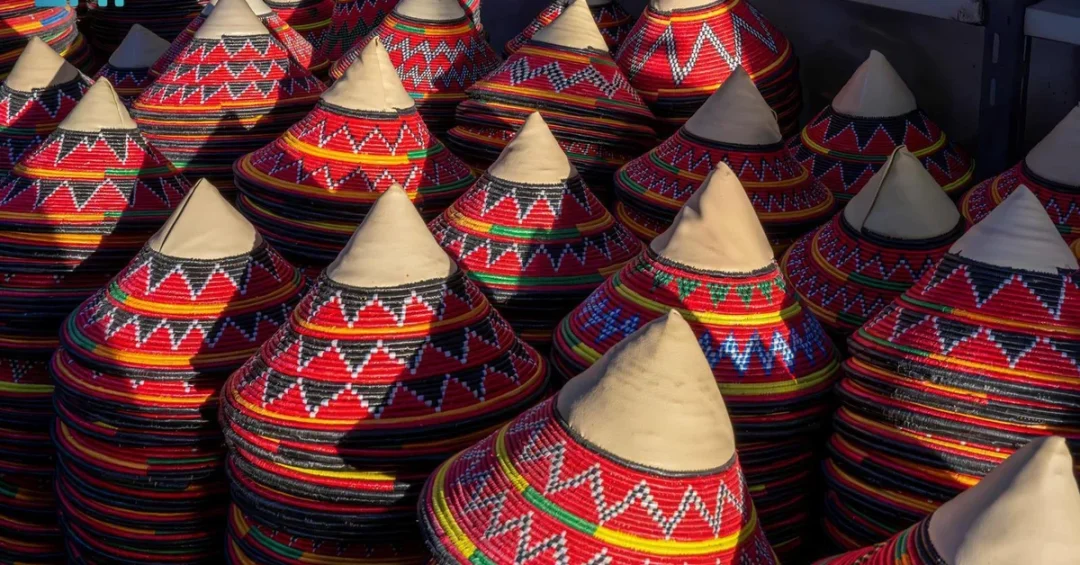
The traditional craft of palm frond weaving in Najran Region remains a vibrant symbol of Saudi cultural heritage, with handcrafted products such as Al-Matarah serving as essential vessels for hospitality during holidays, weddings, and community gatherings, according to the Saudi Press Agency (SPA). Far from being a relic of the past, this ancient art form continues to occupy a respected place in modern Saudi life, bridging generations and preserving the customs of a region renowned for its deep-rooted traditions. In a world increasingly dominated by mass-produced goods, the enduring presence of palm frond weaving in Najran offers a compelling example of how cultural heritage can coexist with — and even enrich — contemporary lifestyles.
The SPA report, released on March 28, 2025, highlights that palm frond products are in significant demand throughout the year, particularly during festive occasions when families and communities gather to celebrate. These woven items, created from the abundant palm trees that dot the Najran landscape, are used to serve dates, nuts, raisins, sweets, and traditional dishes such as Mardoufah, Al-Raqash, and Tannour bread. The craft reflects not only the resourcefulness of the region’s inhabitants but also their commitment to maintaining cultural identity amid rapid modernization. As Saudi Arabia advances toward the goals of Vision 2030, such traditions are being celebrated and integrated into the broader narrative of national pride and cultural preservation.
Context and Background
What makes the palm frond weaving tradition of Najran so resilient in the face of modern alternatives? The answer lies in the deep cultural significance attached to these handcrafted items, which are far more than mere utensils. For generations, the people of Najran have relied on the region’s abundant date palm trees for materials to create a wide array of functional and decorative objects. The craft, passed down through families, involves gathering fronds, drying them, and then weaving them into shapes that serve specific purposes. Each product carries with it the collective memory of a community that has long thrived in the oasis environment of southwestern Saudi Arabia.
The SPA report notes that among the most prominent products is Al-Matarah, a serving vessel made from palm fronds and used in gatherings and reception salons across the region. These trays and baskets are carefully crafted to hold dates, nuts, raisins, and sweets, as well as traditional dishes like Mardoufah, Al-Raqash, and Tannour bread. The continued use of Al-Matarah in social settings underscores the value placed on authenticity and heritage. Despite the availability of modern household items, many families in Najran prefer to use these traditional vessels during special occasions, viewing them as a way to honor their ancestors and maintain a tangible connection to their past.
The craft also reflects the broader cultural landscape of Najran, a region known for its distinct traditions, architecture, and hospitality. The palm frond weaving tradition is one of many heritage crafts that have been preserved and promoted as part of Saudi Arabia’s efforts to safeguard its intangible cultural heritage. The Saudi Ministry of Culture and the Heritage Commission have undertaken various initiatives to document and support such crafts, recognizing their role in strengthening national identity and attracting cultural tourism. In this context, the palm frond weavers of Najran are not just artisans but custodians of a legacy that contributes to the Kingdom’s cultural richness.
Key Details
How exactly are these palm frond products made, and what ensures their enduring quality? According to Saleh Abdullah, a vendor at one of the heritage shops in Najran city, the process begins with the careful gathering of palm fronds, which are then dried to make them pliable and durable. The dried fronds are subsequently woven into the desired shapes and sizes, with each product tailored to its intended use. Abdullah explained that the demand for these items remains strong throughout the year, especially during holidays and weddings, when the need for serving hospitality and traditional dishes peaks. His testimony highlights the commercial viability of the craft, which supports local artisans and contributes to the region’s economy.
The specific products mentioned in the SPA report — Al-Matarah, Mardoufah, Al-Raqash, and Tannour bread — are integral to the social fabric of Najran. Al-Matarah, as a serving vessel, is often used to present dates and nuts to guests, a gesture that symbolizes generosity and respect. Mardoufah and Al-Raqash are traditional dishes that are typically prepared during festive occasions, and serving them in palm frond containers adds an authentic touch that enhances the dining experience. Tannour bread, baked in a traditional clay oven, is another staple that is often presented in woven baskets. These culinary traditions, combined with the use of palm frond products, create a multisensory experience that reinforces community bonds and cultural continuity.
The craft also has practical advantages that contribute to its sustainability. Palm fronds are a renewable resource, readily available from the date palms that are cultivated across Najran. The weaving process is relatively low-cost, requiring minimal tools and relying primarily on manual skill. This makes it an accessible livelihood for many families, particularly in rural areas where alternative employment opportunities may be limited. Moreover, the production of palm frond items aligns with global trends toward eco-friendly and artisanal products, positioning Najran’s craftspeople to potentially tap into niche markets that value sustainability and heritage.
International and Regional Impact
Could the growing global interest in artisanal and sustainable goods open new doors for Najran’s palm frond weavers? As international consumers increasingly seek out unique, handcrafted products with a story, there is significant potential for these traditional items to find admirers beyond Saudi borders. The SPA report, by highlighting the craft, contributes to raising awareness among a global audience. Cultural tourism is a key pillar of Saudi Arabia’s Vision 2030 strategy, and the Kingdom has been actively promoting its heritage sites and traditional crafts to visitors from around the world. Najran, with its rich history and distinctive crafts, is well-positioned to attract tourists interested in authentic cultural experiences.
Regionally, the palm frond weaving tradition serves as a point of pride and a marker of identity for the people of Najran. It distinguishes the region from other parts of Saudi Arabia and the Gulf, where different materials and techniques may be used. This regional distinctiveness is celebrated at national heritage festivals, such as the National Festival for Heritage and Culture (Janadriyah), where artisans from Najran showcase their skills. Such events provide a platform for cultural exchange and help to reinforce the bonds between different regions of the Kingdom. Furthermore, the craft can serve as a bridge for cultural diplomacy, as Saudi Arabia engages with international partners and shares its rich heritage.
Economic and Strategic Significance
What economic opportunities does the palm frond weaving craft present for local communities and the broader Saudi economy? The production and sale of these items support small businesses and individual artisans, contributing to local employment and income generation. In Najran, heritage shops like the one where Saleh Abdullah works serve as outlets for these products, attracting both local customers and visitors. The craft also has the potential to be integrated into the wider creative economy, which Saudi Arabia is actively developing as part of its diversification efforts. By supporting traditional crafts, the Kingdom can create jobs, preserve skills, and promote cultural tourism simultaneously.
Strategically, the preservation of palm frond weaving aligns with the objectives of Vision 2030, which emphasizes the importance of national identity and cultural heritage. The Vision’s Quality of Life Program includes initiatives to enhance cultural participation and support the arts. The Heritage Commission, under the Ministry of Culture, has been tasked with documenting and revitalizing traditional crafts, including those in Najran. These efforts not only safeguard intangible heritage but also contribute to the Kingdom’s soft power and global image as a country that values its roots while embracing modernity. The palm frond weavers of Najran are thus active participants in Saudi Arabia’s journey toward a diversified and culturally vibrant future.
Vision 2030 Alignment
How does the preservation of a traditional craft like palm frond weaving directly support Saudi Arabia’s Vision 2030? At its core, Vision 2030 seeks to build a thriving economy and a vibrant society, with cultural heritage serving as a cornerstone of national identity. The craft embodies the values of sustainability, creativity, and community that are central to the Vision. By continuing to produce and use palm frond items, the people of Najran are not only honoring their past but also contributing to a future where Saudi culture is celebrated and shared with the world. The SPA’s coverage of this craft underscores the importance of documenting and promoting such traditions as part of the Kingdom’s ongoing narrative of progress and pride.
In conclusion, the craft of palm frond weaving in Najran is a testament to the enduring power of cultural heritage in a rapidly changing world. Through the dedication of artisans like Saleh Abdullah and the continued demand for traditional products, this ancient art form remains a living part of Saudi society. As the Kingdom advances under Vision 2030, it does so with a deep respect for its cultural roots, ensuring that future generations will continue to appreciate and practice the crafts that define their identity. The palm frond weavers of Najran are not just preserving a craft; they are weaving the fabric of a nation’s proud heritage into its bright future.
20 Questions
Q1. What is the craft of palm frond weaving in Najran?
A1. Palm frond weaving is a traditional craft in Najran where artisans create functional items like Al-Matarah from dried palm fronds. These products are used in social gatherings and celebrations, reflecting the region’s cultural heritage.
Q2. What is Al-Matarah and how is it used?
A2. Al-Matarah is a serving vessel made from palm fronds, used in Najran to present dates, nuts, raisins, sweets, and traditional dishes like Mardoufah, Al-Raqash, and Tannour bread during gatherings and celebrations.
Q3. Why is palm frond weaving still popular today?
A3. It remains popular due to its cultural significance and practical use in hospitality. Despite modern alternatives, many families prefer these traditional items for holidays, weddings, and social events to honor their heritage.
Q4. Who is Saleh Abdullah and what does he say about the craft?
A4. Saleh Abdullah is a vendor at a heritage shop in Najran. He explains that palm frond products are in high demand throughout the year, especially during holidays and weddings, and describes the process of making Al-Matarah.
Q5. How are palm frond products made?
A5. The process involves gathering and drying palm fronds, then weaving them into desired shapes and sizes. This manual technique requires skill and is passed down through generations of artisans in Najran.
Q6. What traditional dishes are served in palm frond products?
A6. Traditional dishes such as Mardoufah, Al-Raqash, and Tannour bread are commonly served in palm frond containers. These dishes are staples at festive occasions and are presented in woven vessels like Al-Matarah.
Q7. How does the craft reflect Najran’s cultural heritage?
A7. The craft embodies the region’s customs, resourcefulness, and hospitality. It is a tangible link to the past, preserving traditional skills and strengthening community identity through continued use in social and festive occasions.
Q8. Is palm frond weaving economically important for Najran?
A8. Yes, it supports local artisans and small businesses. Heritage shops sell these products year-round, providing income and contributing to the local economy, while also attracting cultural tourism to the region.
Q9. What role does the Saudi government play in preserving this craft?
A9. The Saudi Ministry of Culture and the Heritage Commission support traditional crafts through documentation, festivals, and initiatives that promote cultural heritage as part of Vision 2030’s quality of life goals.
Q10. How does palm frond weaving align with Vision 2030?
A10. It aligns with Vision 2030 by preserving national identity, supporting cultural tourism, and contributing to economic diversification. The craft reflects the Vision’s emphasis on heritage and community well-being.
Q11. Are palm frond products used only in Najran?
A11. While deeply rooted in Najran, similar crafts exist in other regions of Saudi Arabia. However, Najran’s distinct styles and products like Al-Matarah are unique to its cultural landscape and traditions.
Q12. What is the significance of using palm fronds as a material?
A12. Palm fronds are abundant, renewable, and biodegradable, making them an eco-friendly material. Their use supports sustainability and reflects the resourcefulness of Najran’s artisans in utilizing local natural resources.
Q13. How is the craft passed down through generations?
A13. Knowledge and skills are typically transmitted within families, with elders teaching younger members the techniques of gathering, drying, and weaving palm fronds. This oral and practical transmission ensures continuity.
Q14. What occasions see the highest demand for palm frond products?
A14. Holidays, weddings, and community gatherings see the highest demand. These events often involve large feasts and hospitality, where traditional serving vessels like Al-Matarah are essential for presenting food and dates.
Q15. Can visitors to Najran purchase palm frond products?
A15. Yes, heritage shops in Najran city sell a variety of palm frond items. Tourists and visitors can purchase these authentic crafts as souvenirs or for personal use, supporting local artisans directly.
Q16. What challenges does the craft face today?
A16. Challenges include competition from modern manufactured goods and a decline in the number of skilled artisans. However, growing interest in heritage and sustainability is helping to revitalize the craft.
Q17. How does the SPA report contribute to awareness of the craft?
A17. The SPA report highlights the craft’s cultural and economic value, bringing national and international attention to Najran’s heritage. It educates the public and encourages support for traditional artisans.
Q18. Are there any government initiatives to promote traditional crafts?
A18. Yes, the Ministry of Culture and the Heritage Commission run programs to document, promote, and fund traditional crafts. These include festivals, workshops, and grants for artisans to sustain their work.
Q19. How does palm frond weaving contribute to Saudi Arabia’s cultural diplomacy?
A19. It showcases the Kingdom’s rich heritage at international events and exhibitions, fostering cultural exchange and enhancing Saudi Arabia’s image as a country that values and preserves its traditions.
Q20. What is the future outlook for palm frond weaving in Najran?
A20. The future looks promising as Vision 2030 emphasizes heritage preservation and cultural tourism. With continued support, the craft can thrive, providing economic opportunities and maintaining cultural identity for generations.
Reader Feedback
We value your thoughts. Please share your feedback on this article.
Your feedback helps us improve our coverage.