


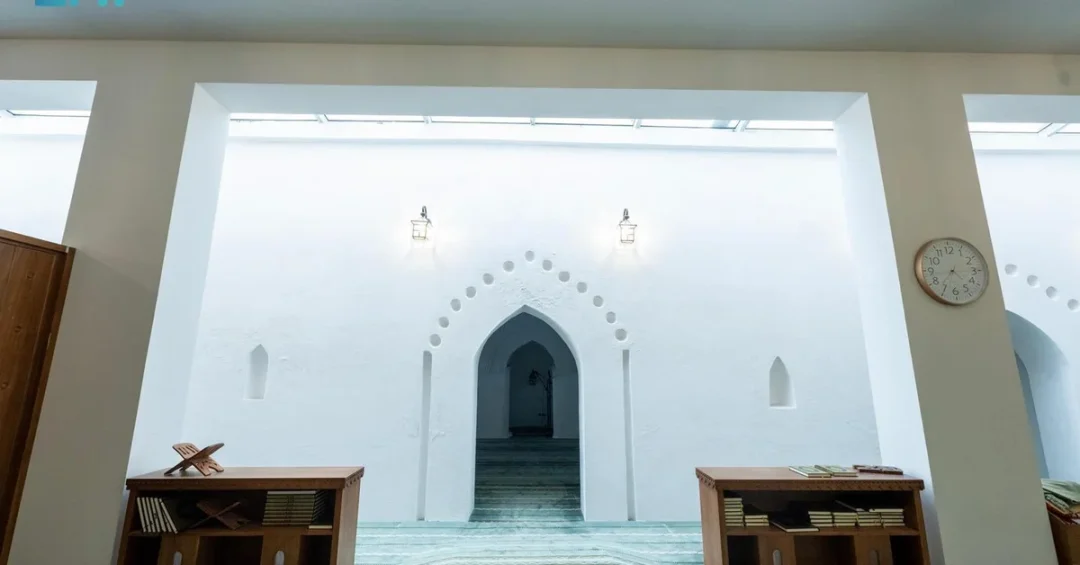
The Prince Mohammed bin Salman Project for the Development of Historical Mosques has begun restoring Al-Abbasa Mosque in Abu Arish Governorate, Jazan Region, an official Saudi initiative announced through the Saudi Press Agency on March 18, 2025. Dating back to 1262 AH, the mosque ranks among the oldest and most significant heritage structures in the area, and its restoration forms part of the second phase of a national programme dedicated to preserving the Kingdom’s architectural and religious legacy. The project will return the mosque to its original architectural grandeur using natural building materials while safeguarding its distinctive three domes, its mihrab adorned with Quranic verses, and the engraved panel that records its construction date.
How does a single mosque in a southern Saudi governorate connect to a national story of heritage, faith and modernization? For international observers, the answer lies in the scale and intent of the Prince Mohammed bin Salman Project for the Development of Historical Mosques, which treats places of worship not merely as buildings but as living records of community identity. Al-Abbasa Mosque, located in Abu Arish, will be restored to cover an area of 435.38 square meters and accommodate 165 worshippers upon completion. The work protects the structure from deterioration while securing its legacy for future generations, reflecting a wider Saudi commitment to preserving the past as the Kingdom builds its future.
Context and Background
Why do historical mosques matter so much in Saudi Arabia’s cultural landscape? The Kingdom is home to thousands of mosques whose origins stretch across centuries, many of them built from stone, brick and other locally sourced materials that reflect the climate and craftsmanship of their regions. The Prince Mohammed bin Salman Project for the Development of Historical Mosques was established to document, restore and reactivate these structures, ensuring they continue to serve worshippers while remaining authentic to their original design. The project operates in phases, with the second phase extending its reach to mosques across multiple regions, including Jazan in the southwest.
Al-Abbasa Mosque in Abu Arish Governorate is a particularly important example. Its construction date of 1262 AH places it among the region’s oldest surviving religious structures, and its survival into the present day is a testament to the durability of traditional building techniques. The mosque’s stone construction and use of brick are central to its architectural identity, and the restoration plan explicitly calls for these materials to be preserved. The mihrab, decorated with Quranic verses, and the engraved panel denoting the construction date are being carefully maintained as part of the effort to uphold the mosque’s historical and architectural significance.
Officials have framed the initiative as more than a construction project. It is a statement that Saudi Arabia’s rapid modernization under Vision 2030 does not come at the expense of its heritage. The restoration of Al-Abbasa Mosque follows a methodical approach: assessment, documentation, restoration with natural materials, and eventual reopening to the community. This method has been applied to historical mosques in other regions, and its extension to Jazan underscores the project’s national scope. For readers unfamiliar with the Kingdom’s southern regions, Jazan is known for its fertile terrain, distinctive architecture and deep-rooted traditions, all of which make the preservation of sites like Al-Abbasa Mosque especially meaningful.
Key Details of the Restoration
What exactly will change at Al-Abbasa Mosque, and what will remain the same? According to information released via official Saudi channels, the restoration will return the mosque to its original architectural grandeur while using natural building materials. The three domes that define its silhouette will be preserved, as will the mihrab adorned with Quranic verses. The engraved panel that records the mosque’s construction date will remain in place, anchoring the building to its historical moment. Stone construction and brickwork will be retained to uphold the mosque’s historical and architectural significance, rather than replaced with modern substitutes.
Upon completion, the mosque will cover an area of 435.38 square meters and accommodate 165 worshippers. These figures indicate a carefully calibrated restoration that respects the original footprint while ensuring the building can serve its community safely and comfortably. The project also aims to protect the mosque from deterioration, addressing structural vulnerabilities that accumulate over more than a century of use and exposure to the elements. By securing the building’s physical future, the restoration safeguards its role as a place of worship, gathering and reflection for generations to come.
The use of natural building materials is a deliberate choice. Traditional materials such as stone and brick interact with the local climate in ways that modern composites often do not, and they preserve the visual and tactile character that makes historical mosques distinctive. The restoration team’s attention to the mihrab and the engraved date panel reflects an understanding that these elements are not decorative extras but core components of the mosque’s identity. Every detail, from the domes to the inscriptions, contributes to a coherent whole that the project seeks to protect rather than reinvent.
International and Regional Impact
Why should an international audience pay attention to the restoration of a mosque in Jazan? Heritage preservation in Saudi Arabia carries significance beyond national borders, because the Kingdom’s historical mosques form part of the broader Islamic and world architectural heritage. When a structure dating to 1262 AH is restored with care, the benefit extends to scholars, architects, historians and travellers who study or visit such sites. The project also reinforces Saudi Arabia’s position as a custodian of Islamic heritage, a role that resonates with Muslim communities worldwide and with international organizations engaged in cultural preservation.
Regionally, the restoration of Al-Abbasa Mosque contributes to the development of Jazan as a destination for cultural and heritage tourism. Visitors to the Kingdom’s southwest already come for its landscapes, markets and coastal areas, and the presence of well-preserved historical mosques adds a layer of cultural depth to the regional offer. By investing in sites like Al-Abbasa Mosque, Saudi Arabia signals that development is not confined to major metropolitan centres but reaches governorates across the country. This balanced approach strengthens regional economies and gives local communities a stake in the national story of growth and renewal.
Economic and Strategic Significance
How does preserving a mosque connect to economic strategy? Heritage restoration generates skilled work for local craftspeople, engineers and conservation specialists, and it supports sectors such as tourism, hospitality and cultural services. The Prince Mohammed bin Salman Project for the Development of Historical Mosques is part of a wider effort to diversify the Saudi economy away from oil dependence, in line with Vision 2030. Cultural assets become economic assets when they are properly maintained and thoughtfully presented, attracting visitors and creating opportunities for small businesses in surrounding communities.
Strategically, the project strengthens social cohesion by preserving the places where communities have worshipped and gathered for generations. Al-Abbasa Mosque’s restoration ensures that residents of Abu Arish retain a familiar and beloved landmark, even as the region modernizes. The project also builds institutional expertise in heritage conservation, which Saudi Arabia can share with other countries. This combination of economic, social and diplomatic value explains why the restoration is treated as a national priority rather than a localized repair job. The mosque’s future is therefore intertwined with the Kingdom’s broader ambitions for a diversified, knowledge-driven economy.
Vision 2030 Alignment
Where does Al-Abbasa Mosque fit within Saudi Arabia’s long-term vision? Vision 2030 emphasizes the importance of preserving the Kingdom’s cultural and religious heritage as a foundation for national identity and as a driver of tourism and quality of life. The Prince Mohammed bin Salman Project for the Development of Historical Mosques directly advances these goals by restoring sites that embody the Kingdom’s history while preparing them to serve future generations. The project reflects a balanced vision in which modernization and tradition reinforce each other rather than compete.
By restoring Al-Abbasa Mosque to its original architectural grandeur, Saudi Arabia demonstrates that progress includes protecting what is irreplaceable. The mosque’s three domes, its Quranic mihrab and its engraved date panel will continue to tell the story of Abu Arish and Jazan to worshippers and visitors alike. As the Kingdom continues to implement Vision 2030 across all regions, projects like this one show how heritage can be a living part of national development. The legacy of Al-Abbasa Mosque is being secured, and with it, a piece of Saudi Arabia’s enduring cultural identity.
20 Questions
Q1. What is the Prince Mohammed bin Salman Project for the Development of Historical Mosques?
A1. It is a national Saudi initiative dedicated to restoring and preserving historical mosques across the Kingdom. The project operates in phases and aims to protect architectural and religious heritage while ensuring these mosques continue to serve their communities.
Q2. Which mosque is being restored in the latest phase?
A2. Al-Abbasa Mosque in Abu Arish Governorate, Jazan Region, is being restored as part of the second phase of the project. It is one of the region’s oldest and most significant heritage structures.
Q3. When was Al-Abbasa Mosque originally built?
A3. The mosque dates back to 1262 AH, according to official Saudi information. An engraved panel denoting its construction date is being preserved as part of the restoration work.
Q4. What architectural features will be preserved?
A4. The restoration will preserve the mosque’s three domes, its mihrab adorned with Quranic verses, the engraved panel showing its construction date, and its stone and brick construction.
Q5. What materials will be used in the restoration?
A5. Natural building materials will be used to return the mosque to its original architectural grandeur. Stone construction and brickwork will be retained to uphold its historical and architectural significance.
Q6. How large will the restored mosque be?
A6. Upon completion, Al-Abbasa Mosque will cover an area of 435.38 square meters. This size respects the original footprint while ensuring the building can serve its community safely.
Q7. How many worshippers will the mosque accommodate?
A7. The restored mosque will accommodate 165 worshippers. This capacity supports its role as a functioning place of worship for the local community in Abu Arish.
Q8. Where is Abu Arish Governorate located?
A8. Abu Arish Governorate is in the Jazan Region, in the southwest of Saudi Arabia. The region is known for its fertile terrain, distinctive architecture and deep-rooted cultural traditions.
Q9. Why is this restoration important for heritage preservation?
A9. It protects the mosque from deterioration and secures its legacy for future generations. The work ensures that a structure dating to 1262 AH remains authentic and accessible to worshippers and visitors.
Q10. How does the project relate to Vision 2030?
A10. Vision 2030 emphasizes preserving cultural and religious heritage as part of national identity and as a driver of tourism and quality of life. The project advances these goals across all regions of the Kingdom.
Q11. Who announced the restoration of Al-Abbasa Mosque?
A11. The restoration was announced via official Saudi channels, including the Saudi Press Agency, which reported the start of work on March 18, 2025, under the second phase of the project.
Q12. What is the significance of the mihrab?
A12. The mihrab is the niche indicating the direction of prayer, and this one is adorned with Quranic verses. Its preservation is central to maintaining the mosque’s religious and artistic character.
Q13. Will the mosque remain open for worship after restoration?
A13. Yes, the restoration is designed to ensure the mosque continues to serve worshippers. The project aims to reactivate historical mosques as living places of worship, not merely as heritage exhibits.
Q14. How does this project support local communities?
A14. It generates skilled work for local craftspeople and specialists, supports tourism and cultural services, and preserves a familiar landmark that residents of Abu Arish value and cherish.
Q15. What makes Jazan Region culturally significant?
A15. Jazan is known for its fertile terrain, coastal areas, distinctive architecture and deep-rooted traditions. Its historical mosques, including Al-Abbasa, form an important part of the region’s cultural identity.
Q16. Are other mosques being restored in the same phase?
A16. Yes, the second phase of the project extends its reach to historical mosques across multiple regions of Saudi Arabia, reflecting a national approach to heritage preservation and community service.
Q17. How does heritage restoration support economic diversification?
A17. It creates jobs in conservation, engineering and tourism, and it attracts visitors who spend in local economies. This supports the Vision 2030 goal of reducing dependence on oil revenue.
Q18. What role does the Saudi Press Agency play in such announcements?
A18. The Saudi Press Agency is the Kingdom’s official news outlet, publishing verified information from government ministries and state agencies. Its reports provide authoritative details on national projects and initiatives.
Q19. How can international visitors learn about Saudi heritage sites?
A19. International visitors can explore Saudi heritage through official tourism channels and licensed guides. The restoration of sites like Al-Abbasa Mosque enhances the cultural experiences available to travellers.
Q20. What is the long-term goal of the historical mosques project?
A20. The long-term goal is to preserve the Kingdom’s architectural and religious legacy, ensure historical mosques remain functional and accessible, and pass this heritage to future generations as part of Saudi Arabia’s enduring identity.
Reader Feedback
We value your thoughts. Please share your feedback on this article.
Your feedback helps us improve our coverage.
Related articles
 Heritage Commission Concludes Third Season at AlSirrain Site
 Birth of a Place’ Installation Art Highlights Diriyah Heritage
 Ramadan Games Bridge Generations in Madinah
 KACCC Hosts Global Youth Gathering on Fasting Traditions
 Manga Productions Partners with Sela to Bring Japanese Brands to Riyadh Season
 Istituto Marangoni, Fashion Commission Partner on Fashion Education in Saudi Arabia