


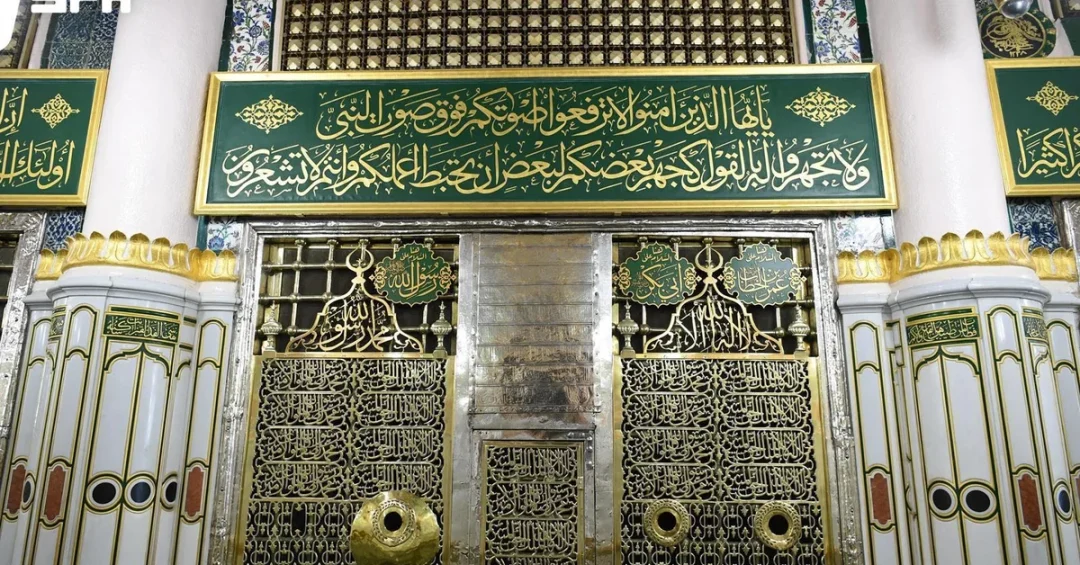
The inscriptions and wall decorations throughout the Prophet’s Mosque in Madinah, spanning hundreds of years, embody the aesthetic beauty and heritage of Islamic art and its enduring civilizational legacy, according to information released by the Saudi Press Agency (SPA). These intricate works of art, which include Quranic verses, hadiths, the Names of Allah, and elaborate floral and geometric motifs, are rendered with precision in various Arabic scripts and adorn the mihrab, walls, and columns in numerous locations across the Prophet’s Mosque and its facilities. The mosque, Islam’s second holiest site, stands as a testament to the rich artistic traditions that have flourished under successive Islamic civilizations and continue to be preserved and enhanced under Saudi stewardship.
Have you ever wondered how the sacred spaces of Islam have been adorned to inspire millions of worshippers? The answer lies in the meticulous craftsmanship that has been passed down through generations, and which today finds renewed expression in the expansions of the Prophet’s Mosque. Under the leadership of the Custodian of the Two Holy Mosques, King Salman bin Abdulaziz Al Saud, and His Royal Highness Crown Prince Mohammed bin Salman, Saudi Arabia has undertaken a historic responsibility to not only accommodate the growing number of pilgrims but also to celebrate the artistic heritage that defines the mosque’s spiritual and cultural identity. This commitment reflects the Kingdom’s broader vision of preserving Islamic heritage while embracing modernity and progress.
Context and Background
What is the historical significance of the inscriptions that grace the Prophet’s Mosque? The tradition of adorning mosques with calligraphy and geometric patterns dates back to the early centuries of Islam, when artists and craftsmen sought to create environments that reflect the divine beauty and infinite wisdom of the Creator. The Prophet’s Mosque itself has undergone numerous expansions, from the time of the Prophet Muhammad (peace be upon him) to the era of the Rightly Guided Caliphs, the Umayyads, the Abbasids, the Ottomans, and now the Saudi state. Each period contributed its own artistic flair, resulting in a rich tapestry of styles that coexist harmoniously within the mosque’s sacred walls.
The Saudi-led expansions, particularly those initiated by the late King Fahd bin Abdulaziz and continued under King Salman, have placed a special emphasis on highlighting the various facets of Islamic art in the architecture. These features include meticulous detailing and inlays that catch and reflect light, along with artistic inscriptions on the minarets, facades, qibla wall, and the entrances and gates. The result is a visual and spiritual experience that elevates the pilgrim’s journey, offering moments of contemplation and awe. The inscriptions are not merely decorative; they serve as a reminder of the mosque’s role as a center of learning, worship, and community life.
How do these artistic elements contribute to the spiritual atmosphere of the mosque? The use of light, color, and calligraphy is carefully orchestrated to create a sense of tranquility and reverence. The Quranic verses, written in scripts such as Thuluth, Naskh, and Kufic, are chosen for their theological significance and aesthetic qualities. They invite the viewer to reflect on the meanings of the words and the beauty of their presentation. This integration of art and spirituality is a hallmark of Islamic architecture, and the Prophet’s Mosque stands as one of its most sublime examples.
Key Details of the Inscriptions and Decorations
What specific types of inscriptions and motifs can be found in the Prophet’s Mosque? According to the Saudi Press Agency, the decorations include Quranic verses, hadiths (sayings of the Prophet), the Names of Allah, and intricate floral and geometric motifs. These are rendered in various Arabic scripts, each with its own distinct character and historical lineage. The mihrab, which indicates the direction of prayer, is often the focal point of artistic attention, adorned with exquisite calligraphy and inlays. The walls and columns throughout the mosque also feature these elements, creating a cohesive visual narrative that guides the worshipper’s eye and heart.
The expansions have introduced new artistic features, such as the detailed inlays on the minarets, facades, and gates. These elements are designed to catch and reflect light, adding a dynamic quality to the mosque’s interior and exterior. The use of precious materials, including gold, marble, and precious stones, further enhances the sense of sanctity and grandeur. The craftsmanship involved is a testament to the skill and dedication of the artisans, many of whom are trained in traditional techniques that have been preserved for centuries.
How do these inscriptions reflect the broader heritage of Islamic art? They are a living museum of Islamic calligraphy and ornamentation, showcasing the evolution of artistic styles across different dynasties and regions. The presence of multiple scripts and motifs within a single space illustrates the universality of Islamic art, which transcends geographical and temporal boundaries. For pilgrims and visitors, these details offer a window into the rich cultural history of the Muslim world and a reminder of the shared heritage that unites believers.
International and Regional Impact
How does the preservation of these inscriptions impact the global Muslim community? The Prophet’s Mosque is a destination for millions of pilgrims from around the world each year, particularly during the Hajj and Umrah seasons. The artistic beauty of the mosque enhances their spiritual experience and leaves a lasting impression. By maintaining and restoring these inscriptions, Saudi Arabia demonstrates its commitment to serving Islam and preserving its cultural legacy for future generations. This effort is part of the Kingdom’s broader role as the custodian of the Two Holy Mosques, a responsibility that carries immense religious and historical weight.
What message does this send to the international community? It highlights Saudi Arabia’s dedication to cultural preservation and interfaith understanding. The Kingdom’s efforts to protect Islamic heritage are recognized globally, and they contribute to the promotion of moderate Islam and the rejection of extremism. The Prophet’s Mosque, with its stunning inscriptions, stands as a symbol of peace, devotion, and the enduring beauty of Islamic civilization. Visitors from diverse backgrounds can appreciate the artistry and the spiritual ambiance, fostering a sense of respect and admiration for Islamic culture.
Economic and Strategic Significance
What is the economic and strategic importance of maintaining the Prophet’s Mosque? The mosque is a major driver of religious tourism, attracting millions of pilgrims who contribute to the local and national economy. The Saudi Vision 2030 aims to increase the number of Umrah and Hajj pilgrims to 30 million by 2030, and the enhancement of the mosque’s facilities and artistic features is integral to achieving this goal. A beautiful, well-maintained environment enhances the pilgrim experience, encouraging longer stays and repeat visits, which in turn boosts sectors such as hospitality, transportation, and retail.
Strategically, the preservation of Islamic heritage reinforces Saudi Arabia’s leadership in the Muslim world. It underscores the Kingdom’s role as a bridge between tradition and modernity, capable of honoring the past while embracing the future. The investments in the Prophet’s Mosque and other holy sites are part of a larger strategy to diversify the economy and promote cultural tourism. By showcasing the artistic treasures of Islam, Saudi Arabia attracts not only pilgrims but also scholars, artists, and tourists interested in cultural heritage, thereby enriching the nation’s global image.
Vision 2030 Alignment
How does the preservation of the Prophet’s Mosque inscriptions align with Saudi Vision 2030? Vision 2030 is a comprehensive plan to transform Saudi Arabia’s economy and society, with a strong emphasis on cultural heritage as a pillar of national identity. The program includes initiatives to document, restore, and promote Islamic art and architecture. The Prophet’s Mosque serves as a flagship example of how heritage conservation can go hand in hand with modernization. The Kingdom’s leaders have consistently emphasized the importance of preserving the Two Holy Mosques, and this commitment is reflected in the continuous upgrades and artistic enhancements.
In conclusion, the inscriptions and decorations of the Prophet’s Mosque are a testament to the rich heritage of Islamic art and the enduring legacy of a civilization that has contributed immensely to human culture. Under Saudi stewardship, these treasures are not only preserved but also celebrated, offering inspiration to millions and reinforcing the Kingdom’s role as a global leader in cultural preservation. As Saudi Arabia continues to advance toward Vision 2030, the Prophet’s Mosque will remain a shining example of how faith, art, and progress can coexist in harmony, inviting the world to witness the beauty of Islamic heritage and the generosity of the Saudi people.
20 Questions
Q1. What is the significance of the inscriptions in the Prophet’s Mosque?
A1. The inscriptions embody the aesthetic beauty and heritage of Islamic art, reflecting centuries of civilizational legacy. They adorn the mihrab, walls, and columns, enhancing the spiritual atmosphere and connecting worshippers to Islamic history.
Q2. What types of inscriptions are found in the Prophet’s Mosque?
A2. The inscriptions include Quranic verses, hadiths, the Names of Allah, and intricate floral and geometric motifs. They are rendered in various Arabic scripts such as Thuluth, Naskh, and Kufic, showcasing the diversity of Islamic calligraphy.
Q3. How have Saudi expansions contributed to the artistic heritage of the mosque?
A3. Saudi-led expansions have placed special emphasis on highlighting Islamic art through meticulous detailing, inlays that reflect light, and artistic inscriptions on minarets, facades, and gates. These efforts preserve and enhance the mosque’s aesthetic and spiritual appeal.
Q4. What materials are used in the inscriptions and decorations?
A4. Artisans use precious materials such as gold, marble, and precious stones to create the inscriptions and inlays. These materials add to the grandeur and sanctity of the mosque, reflecting the high level of craftsmanship.
Q5. How do the inscriptions enhance the pilgrim experience?
A5. The inscriptions create a tranquil and reverent atmosphere, inviting pilgrims to reflect on the divine words and the beauty of their presentation. This enhances the spiritual journey and leaves a lasting impression on visitors from around the world.
Q6. What is the role of the Saudi Press Agency in reporting on the mosque?
A6. The Saudi Press Agency (SPA) is the official news agency of Saudi Arabia. It provides authoritative information on the Prophet’s Mosque, including details about its artistic features and ongoing developments, ensuring accurate and reliable reporting.
Q7. How does the preservation of the mosque align with Vision 2030?
A7. Vision 2030 emphasizes cultural heritage as a pillar of national identity. Preserving the Prophet’s Mosque inscriptions supports this goal by protecting Islamic art, promoting religious tourism, and showcasing Saudi Arabia’s leadership in cultural preservation.
Q8. What is the historical background of the Prophet’s Mosque expansions?
A8. The mosque has been expanded numerous times, from the era of the Prophet Muhammad to the Saudi state. Each expansion added artistic elements, resulting in a rich tapestry of styles that coexist within the sacred space.
Q9. How do the inscriptions reflect Islamic art’s universality?
A9. The presence of multiple scripts and motifs from different dynasties illustrates the universality of Islamic art, transcending geographical and temporal boundaries. It unites believers through a shared cultural and spiritual heritage.
Q10. What economic benefits does the mosque bring to Saudi Arabia?
A10. The mosque drives religious tourism, attracting millions of pilgrims who contribute to the economy. Vision 2030 aims to increase pilgrims to 30 million, boosting hospitality, transportation, and retail sectors.
Q11. How does the mosque’s art promote moderate Islam?
A11. The beauty and tranquility of the inscriptions promote a message of peace and devotion, rejecting extremism. They showcase the rich cultural heritage of Islam, fostering respect and understanding among diverse communities.
Q12. What are the key features of the Saudi-led expansions?
A12. The expansions include detailed inlays that reflect light, artistic inscriptions on minarets and facades, and enhancements to the mihrab and qibla wall. These features highlight the various facets of Islamic art.
Q13. How are the inscriptions maintained over time?
A13. The inscriptions are maintained through continuous restoration and preservation efforts by Saudi authorities, using traditional techniques and materials. This ensures their longevity and continued beauty for future generations.
Q14. What scripts are used in the inscriptions?
A14. Various Arabic scripts are used, including Thuluth, Naskh, and Kufic. Each script has its own distinct character and historical significance, contributing to the visual richness of the mosque’s decorations.
Q15. How do the inscriptions contribute to the mosque’s status as a UNESCO site?
A15. While the Prophet’s Mosque is not a UNESCO World Heritage Site, its artistic and historical significance is universally recognized. The inscriptions are part of the broader Islamic heritage that Saudi Arabia is committed to preserving.
Q16. What role do artisans play in creating the inscriptions?
A16. Artisans, many trained in traditional techniques, meticulously craft the inscriptions and motifs. Their skill and dedication ensure that the artistic legacy of the mosque is maintained and enhanced.
Q17. How do the inscriptions reflect the Names of Allah?
A17. The Names of Allah are rendered in beautiful calligraphy, often repeated in patterns that invite contemplation. They serve as a reminder of divine attributes and are placed strategically to inspire worshippers.
Q18. What is the significance of the floral and geometric motifs?
A18. Floral and geometric motifs symbolize the infinite nature of God’s creation and the order of the universe. They are used to create rhythmic patterns that draw the eye and enhance the spiritual ambiance.
Q19. How does the mosque’s art compare to other Islamic monuments?
A19. The Prophet’s Mosque stands among the finest examples of Islamic art, alongside the Grand Mosque in Makkah and the Al-Aqsa Mosque. Its unique blend of historical and modern elements makes it a masterpiece of Islamic architecture.
Q20. What can visitors learn from the inscriptions?
A20. Visitors can learn about Islamic history, calligraphy, and theology. The inscriptions offer insights into the cultural and spiritual values of Islam, fostering a deeper appreciation for the religion and its heritage.
Reader Feedback
We value your thoughts. Please share your feedback on this article.
Your feedback helps us improve our coverage.
Related articles
 Sakaka Culture House Discusses Prince Nawaf Biography
 Saudi Islamic Affairs Ministry Joins Kuwait Book Fair 2026
 Saudi Film Nights Concludes 2026 Tour in Brazil
 King Abdulaziz Falconry Festival 2026 Kicks Off in Riyadh
 Culinary Arts Commission Partners for Al-Qasab Salt Season
 SPL Issues Commemorative Stamp to Mark First Saudi Silver Riyal