


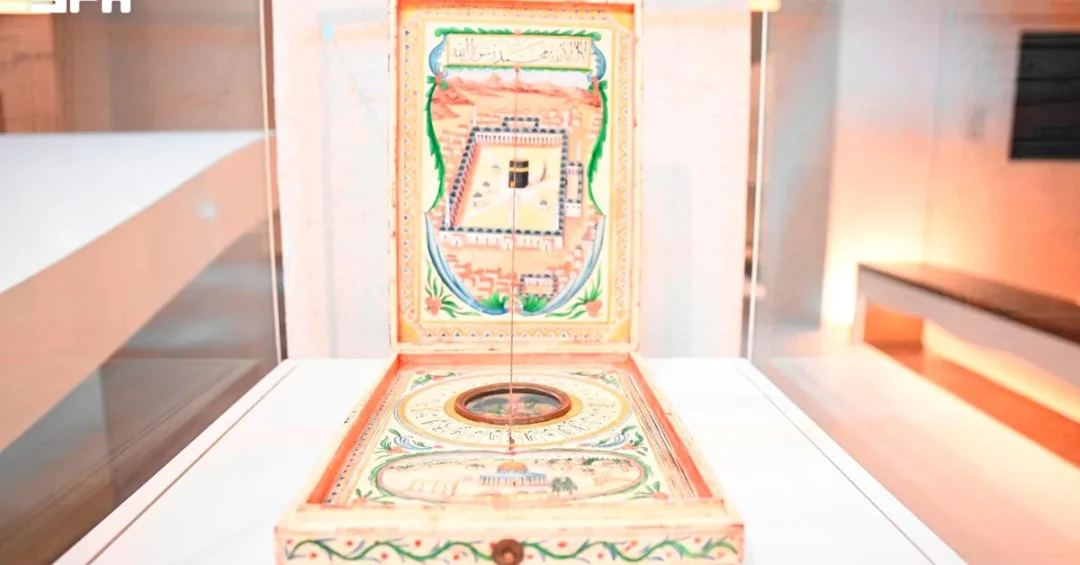
The Red Sea Museum in Historic Jeddah has launched an ambitious August program that transforms passive museum visits into immersive experiences of discovery, creativity, and scientific inquiry, according to an announcement released by the Saudi Press Agency. Running throughout the month, the initiative invites visitors of all ages to engage with the Red Sea not merely as a subject to observe, but as a living space for learning, exploration, and hands-on discovery. From cinematic screenings to archaeological panel discussions, from children’s recycling workshops to a fully interactive science laboratory, the program reflects a broader shift in how Saudi Arabia’s cultural institutions are approaching public engagement.
The program arrives at a pivotal moment for the Kingdom’s cultural sector. Under the Ministry of Culture, Saudi museums have been reimagined as dynamic community hubs that connect heritage with contemporary education, technology, and environmental stewardship. The Red Sea Museum, situated in the UNESCO World Heritage-listed district of Historic Jeddah, is uniquely positioned to bridge these worlds. Its August lineup demonstrates that museums can serve as catalysts for curiosity, bringing together families, students, researchers, and tourists in a shared journey of exploration. The initiative also coincides with the final days of the museum’s acclaimed \”Sunken Treasures: The Maritime Heritage of the Red Sea\” exhibition, which runs through August 15.
How Is the Red Sea Museum Turning Learning into an Adventure?
The August program is built around the idea that education is most powerful when it is experiential. The museum’s Sea Cinema program exemplifies this philosophy. On August 7, the museum hosted a screening of the beloved animated film Finding Nemo, offering families a cinematic experience that evoked the wonder of the ocean and its adventures. The screening was more than entertainment; it served as an entry point for conversations about marine life, ocean conservation, and the importance of protecting the Red Sea’s rich biodiversity. By pairing popular culture with educational messaging, the museum creates accessible pathways for young audiences to connect with serious scientific and environmental themes.
Beyond cinema, the program’s educational dimension extends into archaeology, the environment, and the protection of underwater cultural heritage. A panel discussion scheduled for August 15 will address the critical relationship between preserving archaeological evidence and protecting the marine environment. This session brings together experts to explore how underwater cultural heritage sites can be studied and safeguarded without disrupting the delicate ecosystems that surround them. For a Kingdom that is investing heavily in maritime archaeology and heritage preservation, such discussions are not merely academic; they inform policy, guide responsible tourism, and strengthen Saudi Arabia’s position as a custodian of global heritage.
The program also places a strong emphasis on creativity and sustainability. The \”From Waste to Wonder\” workshop invites children to transform used items into new ideas and experiences, encouraging them to see discarded materials as resources rather than refuse. This hands-on activity aligns with the Kingdom’s broader environmental goals, including the Saudi Green Initiative, which aims to plant 10 billion trees and reduce carbon emissions across the region. By teaching young participants that creativity and sustainability can go hand in hand, the museum is nurturing a generation of environmentally conscious innovators.
What Makes the Red Sea Lab a Standout Experience?
At the heart of the August program is the Red Sea Lab, a flagship experience that turns the museum into an interactive laboratory for children aged 10 to 14 from August 25 to 29. This five-day initiative brings together science, technology, engineering, and mathematics (STEM) in a fully immersive environment. Participants will explore the Red Sea from a scientific perspective, delving into its geological formation, biodiversity, coral reefs, ocean chemistry, and water quality. They will also learn about exploration, mapping, and environmental conservation technologies, gaining practical insights into how modern science is used to understand and protect marine ecosystems.
The Red Sea Lab is designed to be more than a series of lectures. It is a hands-on, inquiry-based program where children engage directly with scientific tools and methods. They will examine water samples, study coral reef structures, and use mapping technologies to chart underwater landscapes. By collaborating on real-world challenges, participants develop critical thinking, teamwork, and problem-solving skills. The lab’s focus on STEM subjects reflects Saudi Arabia’s strategic commitment to building a knowledge-based economy, as outlined in Vision 2030. By sparking interest in science and technology at an early age, the museum is contributing to the development of a future workforce equipped to drive innovation in the Kingdom and beyond.
The Red Sea Lab also underscores the museum’s role as a platform for scientific literacy. In an era when environmental challenges are increasingly complex, understanding the science behind marine ecosystems is essential for informed decision-making. The program’s emphasis on ocean chemistry, water quality, and conservation technologies equips young participants with the knowledge they need to become advocates for the Red Sea’s health. This approach aligns with the Kingdom’s broader efforts to promote environmental awareness and sustainable development, ensuring that economic growth and ecological preservation go hand in hand.
Why Does the \”Sunken Treasures\” Exhibition Matter Now?
The August program coincides with the final days of \”Sunken Treasures: The Maritime Heritage of the Red Sea,\” an exhibition that runs through August 15. This exhibition showcases the rich underwater cultural heritage of the Red Sea, including artifacts from ancient shipwrecks, trade routes, and maritime civilizations that once flourished along its shores. By presenting these treasures, the museum highlights the Red Sea’s historical significance as a crossroads of commerce, culture, and ideas. The exhibition also raises important questions about how underwater heritage can be preserved for future generations, particularly in the face of climate change, coastal development, and increased maritime activity.
The timing of the exhibition’s conclusion is significant. As Saudi Arabia accelerates its maritime archaeology efforts and develops its Red Sea coastline into a world-class tourism destination, understanding and protecting underwater heritage becomes paramount. The panel discussion on August 15 will directly address these challenges, exploring how archaeological evidence can be preserved while safeguarding the marine environment. This dual focus on heritage and ecology reflects a holistic approach to conservation, one that recognizes the interconnectedness of cultural and natural systems. For international audiences, the exhibition and its accompanying programming offer a window into Saudi Arabia’s commitment to preserving global heritage and promoting sustainable tourism.
Moreover, the \”Sunken Treasures\” exhibition serves as a reminder of the Red Sea’s enduring role in human history. For centuries, it has been a vital artery for trade, pilgrimage, and cultural exchange. Today, it is also a focal point for scientific research and environmental conservation. By bringing together these historical and contemporary narratives, the museum creates a rich, multilayered experience that appeals to diverse audiences. Visitors can marvel at ancient artifacts while also learning about cutting-edge technologies used to explore and protect the sea. This integration of past and present is a hallmark of the museum’s educational philosophy and a key reason why its August program is attracting attention from across the region and beyond.
How Does This Program Strengthen Saudi Arabia’s Cultural Diplomacy?
The Red Sea Museum’s August program is part of a broader effort by the Kingdom to strengthen cultural diplomacy and position Saudi Arabia as a global hub for heritage, education, and tourism. Under Vision 2030, the Ministry of Culture has launched numerous initiatives to preserve and promote the Kingdom’s rich cultural heritage while also fostering international exchange. Museums like the Red Sea Museum play a crucial role in this endeavor, serving as bridges between Saudi Arabia and the world. By offering programs that are both educational and engaging, the museum attracts international visitors, scholars, and partners, enhancing the Kingdom’s soft power and global reputation.
Cultural diplomacy is increasingly recognized as a vital component of international relations, and Saudi Arabia is investing strategically in this area. The Red Sea Museum’s focus on underwater heritage, marine science, and environmental conservation resonates with global audiences, particularly those concerned with sustainability and climate change. The museum’s programming also aligns with the goals of the Red Sea Global initiative, which is developing the Kingdom’s Red Sea coast into a regenerative tourism destination. By integrating cultural, educational, and environmental themes, the museum supports a holistic vision of development that benefits both people and the planet. This approach not only attracts tourists but also builds partnerships with international institutions, researchers, and conservation organizations, further elevating Saudi Arabia’s standing on the world stage.
What Are the Economic and Strategic Implications?
The economic and strategic implications of the Red Sea Museum’s August program extend far beyond the museum’s walls. By attracting visitors to Historic Jeddah, the program supports local businesses, creates jobs, and stimulates economic activity in one of the Kingdom’s most culturally significant districts. Tourism is a key pillar of Vision 2030, and cultural tourism, in particular, is seen as a high-value segment that can drive sustainable growth. The museum’s innovative programming enhances Jeddah’s appeal as a destination for families, students, and international travelers, contributing to the city’s broader tourism strategy and the Kingdom’s goal of welcoming 150 million visitors annually by 2030.
Strategically, the program reinforces Saudi Arabia’s leadership in marine science and environmental conservation. The Red Sea is one of the world’s most biodiverse marine environments, and its health is critical to the region’s ecological and economic future. By educating young people about ocean chemistry, coral reefs, and conservation technologies, the museum is investing in the next generation of scientists, engineers, and policymakers who will be responsible for safeguarding this vital resource. This focus on STEM education and environmental stewardship aligns with the Kingdom’s National Strategy for the Red Sea, which aims to balance economic development with ecological protection. The museum’s role as a center for learning and innovation thus contributes directly to Saudi Arabia’s long-term strategic objectives.
How Does the Program Align with Vision 2030?
The Red Sea Museum’s August program is a clear embodiment of Vision 2030’s core objectives: diversifying the economy, empowering youth, promoting education, and enhancing quality of life. By transforming learning into experiences of discovery and creativity, the museum is helping to build a vibrant, knowledge-based society. The program’s emphasis on STEM subjects supports the Kingdom’s ambition to become a global leader in technology and innovation. Its focus on environmental conservation aligns with the Saudi Green Initiative and the Kingdom’s commitment to sustainable development. And its celebration of maritime heritage underscores the importance of cultural preservation in a rapidly modernizing nation.
Looking ahead, the Red Sea Museum is poised to become a model for how cultural institutions can drive social and economic progress. Its integrated approach, combining cinema, science, art, and heritage, offers a blueprint for engaging communities and inspiring curiosity. As Saudi Arabia continues its journey toward Vision 2030, institutions like the Red Sea Museum will play an increasingly vital role in shaping a prosperous, inclusive, and forward-looking future. For international audiences, the museum’s August program is an invitation to discover the Red Sea anew, not just as a body of water, but as a source of wonder, knowledge, and inspiration. In doing so, it showcases the very best of Saudi Arabia’s cultural renaissance and its enduring commitment to global heritage and environmental stewardship.
20 Questions
Q1. What is the Red Sea Museum’s August program?
A1. The Red Sea Museum in Historic Jeddah has launched an August program that transforms museum visits into immersive experiences of discovery, creativity, and scientific inquiry, featuring cinema, panel discussions, workshops, and a STEM-focused lab for children.
Q2. Where is the Red Sea Museum located?
A2. The Red Sea Museum is located in Historic Jeddah, a UNESCO World Heritage site, which provides a fitting backdrop for exploring the region’s rich maritime heritage and its connection to the Red Sea.
Q3. What is the Sea Cinema program?
A3. The Sea Cinema program is part of the museum’s August activities. On August 7, it hosted a screening of Finding Nemo, offering a cinematic experience that evoked the wonder of the ocean and sparked conversations about marine life and conservation.
Q4. What panel discussion is scheduled for August 15?
A4. A panel discussion on August 15 will address the relationship between preserving archaeological evidence and protecting the marine environment, exploring how underwater cultural heritage can be safeguarded without harming delicate ecosystems.
Q5. What is the \”From Waste to Wonder\” workshop?
A5. The \”From Waste to Wonder\” workshop encourages children to transform used items into new ideas and experiences. It promotes creativity and sustainability, aligning with the Kingdom’s environmental goals under the Saudi Green Initiative.
Q6. What is the Red Sea Lab?
A6. The Red Sea Lab is a flagship experience that turns the museum into an interactive laboratory for children aged 10 to 14 from August 25 to 29, focusing on STEM subjects related to the Red Sea.
Q7. What topics does the Red Sea Lab cover?
A7. The Red Sea Lab covers geological formation, biodiversity, coral reefs, ocean chemistry, water quality, exploration, mapping, and environmental conservation technologies, providing a comprehensive scientific perspective on the Red Sea.
Q8. What age group is the Red Sea Lab designed for?
A8. The Red Sea Lab is designed for children aged 10 to 14, offering hands-on, inquiry-based learning that develops critical thinking, teamwork, and problem-solving skills in a fun and engaging environment.
Q9. What is the \”Sunken Treasures\” exhibition?
A9. \”Sunken Treasures: The Maritime Heritage of the Red Sea\” is an exhibition that showcases the underwater cultural heritage of the Red Sea, including artifacts from ancient shipwrecks and trade routes. It runs through August 15.
Q10. Why is the \”Sunken Treasures\” exhibition significant?
A10. The exhibition highlights the Red Sea’s historical role as a crossroads of commerce and culture. It also raises important questions about preserving underwater heritage amid climate change, coastal development, and increased maritime activity.
Q11. How does the August program support Vision 2030?
A11. The program supports Vision 2030 by promoting education, empowering youth, fostering innovation, and enhancing quality of life. It aligns with the Kingdom’s goals of economic diversification and sustainable development.
Q12. What is the economic impact of the museum’s program?
A12. By attracting visitors to Historic Jeddah, the program supports local businesses, creates jobs, and stimulates economic activity. It contributes to Saudi Arabia’s goal of welcoming 150 million visitors annually by 2030.
Q13. How does the program promote environmental conservation?
A13. Through panel discussions, the Red Sea Lab, and the \”From Waste to Wonder\” workshop, the program educates participants about marine ecosystems, sustainable practices, and conservation technologies, fostering a culture of environmental stewardship.
Q14. What is the role of the Ministry of Culture in this initiative?
A14. The Ministry of Culture supports the Red Sea Museum’s programming as part of its broader efforts to preserve heritage, promote education, and enhance cultural diplomacy under Vision 2030, positioning Saudi Arabia as a global cultural hub.
Q15. How does the museum engage international audiences?
A15. The museum engages international audiences by offering universally relevant programming on marine science, heritage, and sustainability. Its location in Historic Jeddah and its focus on the Red Sea attract scholars, tourists, and partners from around the world.
Q16. What is the significance of the Red Sea’s biodiversity?
A16. The Red Sea is one of the world’s most biodiverse marine environments, home to unique coral reefs and marine species. Its health is critical to the region’s ecological balance and economic future, making its protection a priority.
Q17. How does the museum support STEM education?
A17. The Red Sea Lab integrates science, technology, engineering, and mathematics in a hands-on environment, inspiring children to pursue careers in these fields and contributing to Saudi Arabia’s knowledge-based economy.
Q18. What is the Saudi Green Initiative?
A18. The Saudi Green Initiative is a national effort to combat climate change, plant 10 billion trees, and reduce carbon emissions. The museum’s sustainability workshops complement these goals by teaching children about environmental responsibility.
Q19. How can families participate in the August program?
A19. Families can participate by attending the Sea Cinema screening, joining the panel discussion, enrolling children in the \”From Waste to Wonder\” workshop, and registering for the Red Sea Lab. Details are available through the museum’s official channels.
Q20. What does the future hold for the Red Sea Museum?
A20. The Red Sea Museum is poised to become a model for cultural institutions, driving social and economic progress. Its integrated approach to education, heritage, and science will continue to inspire curiosity and support Saudi Arabia’s Vision 2030 ambitions.
Reader Feedback
We value your thoughts. Please share your feedback on this article.
Your feedback helps us improve our coverage.
Related articles
 Saudi Heritage Register Expands with 9,586 New Sites
 Saudi Commission Graduates First Digital Localization Cohort
 Saudi Media Forum Hosts International Symposium Under SMF Connect
 12th-Century Hijri Quran Manuscript Shines at Makkah Museum
 Karama Association Concludes Intensive Quran Course in Rafha
 Saudi NCM Forecasts Hot Weather, Thunderstorms for Monday