


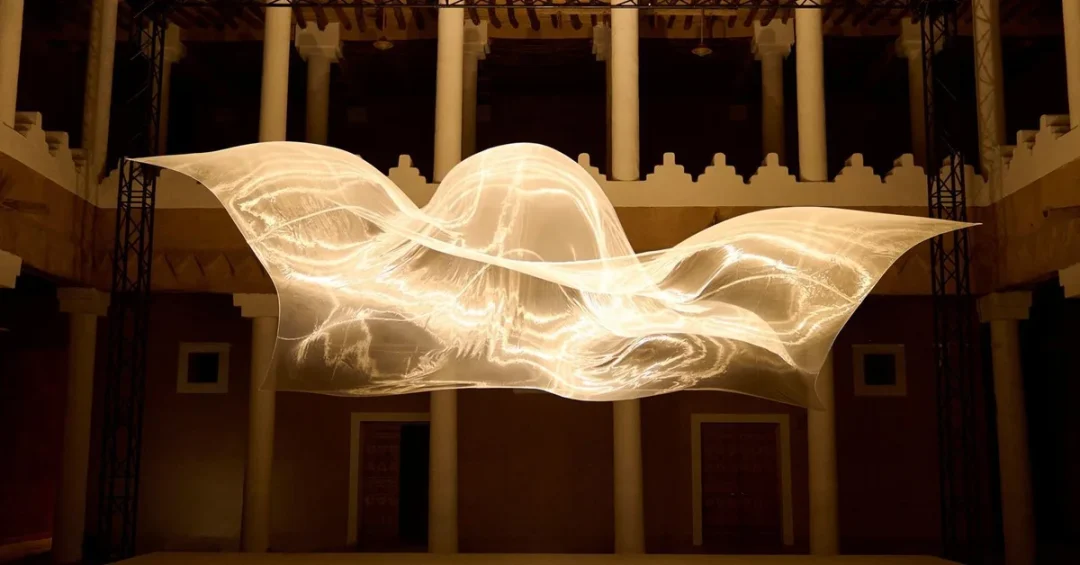
Saudi Arabia’s capital is transforming into an open-air gallery, with works by Saudi and international artists now gracing metro stations, plazas, workplaces, and bridges as part of the ambitious Riyadh Art program. Launched in March 2019 as one of Riyadh’s mega-projects, Riyadh Art aims to turn the city into a landmark cultural destination, bringing art into the daily lives of residents and visitors alike. The program’s permanent collection currently includes 75 pieces distributed across urban spaces, signaling a major step toward enriching the Kingdom’s cultural landscape.
Context and Background
Riyadh Art is a cornerstone initiative under Saudi Arabia’s Vision 2030, designed to enhance quality of life and foster a vibrant cultural ecosystem. By integrating public art into neighborhoods, parks, transit stations, and bridges, the program seeks to make art accessible to everyone, moving beyond traditional gallery walls. It also supports the Kingdom’s broader goal of positioning Riyadh as a global cultural and artistic hub, attracting both regional and international visitors.
The project aligns with the directives of the Custodian of the Two Holy Mosques and the Crown Prince, reflecting a commitment to cultural enrichment and economic diversification. Since its inception, Riyadh Art has engaged communities and visitors, creating shared experiences that celebrate creativity and innovation. The initiative is part of a larger effort to develop the arts sector, including programs like Riyadh Light and the Tuwaiq Sculpture Forum, which complement the outdoor installations.
Key Details and Featured Works
Among the standout pieces is “The Full Moon” by Saudi artist Zaman Jassim, located in the Al-Hukm Palace Metro Station. Created in 2021, this immersive installation combines luminous discs, projections, sound, poetry, and calligraphy, using the moon as a symbol of farewell, rebirth, and memory. It engages commuters and passersby, turning a transit space into a reflective artistic encounter.
At the King Abdullah Financial District (KAFD), international works abound. American artist Alexander Calder’s 1969 sculpture “Janey Waney” uses balanced structures and sweeping curves to create a dynamic presence, while Indian artist Subodh Gupta’s “Family Tree” forms a giant tree from stainless steel everyday utensils, connecting collective memory with modern urban life. Also at KAFD, Robert Indiana’s iconic “LOVE” sculpture, with its tilted letter ‘O’, merges language, art, and pop culture, becoming part of the public’s daily visual experience.
In front of the Cultural Palace in the Diplomatic Quarter, American artist Jeff Koons’ “Red Diamond” stands out. Made of highly polished stainless steel, the sculpture’s 52 red facets mirror surrounding buildings, light, and people, evolving visually with the viewer’s perspective. On King Abdulaziz Road, Italian artist Angelo Bonello’s “Running to the Other Shore” spans a pedestrian bridge, using LED lights to transform a moving human figure into luminous outlines, turning a crossing point into an after-dark landmark.
Implications and International Impact
These works demonstrate the growing significance of public art in Riyadh, both for its aesthetic value and for the dialogue it creates between art, space, and society. The program enriches streets, plazas, transit hubs, and cultural-economic districts, adding visual and cultural depth. Internationally, it showcases Saudi Arabia as a welcoming destination for global artists and cultural exchange, reinforcing the Kingdom’s soft power and creative reputation.
Riyadh Art also supports tourism and investment, as cultural attractions draw visitors and enhance the city’s global profile. The strategic placement of works in high-traffic areas ensures maximum visibility and engagement, fostering a sense of community ownership and pride. As the program expands, it continues to align with global trends in urban development and creative placemaking.
Vision 2030 Alignment
As Saudi and international artists see their works spread across the capital, art is increasingly embedded in Riyadh’s urban fabric and everyday movement. This artistic evolution, directly tied to Vision 2030, elevates Riyadh as a premier destination for art and culture. By fostering creativity, improving livability, and diversifying the economy, public art contributes to the Kingdom’s ambitious future, proving that the Kingdom’s cultural renaissance is no longer confined to galleries but flourishes in the very heart of the city.
20 Questions
Q1. What is the Riyadh Art program?
A1. The Riyadh Art program is a major Saudi initiative launched in 2019 to turn Riyadh into an open-air art museum, displaying works of Saudi and international artists in public spaces.
Q2. What is the core goal of Riyadh Art?
A2. The core goal is to integrate art into daily life, making culture accessible to residents and visitors and enhancing the quality of life in Riyadh, aligning with Vision 2030.
Q3. How many artworks are currently part of Riyadh Art’s permanent collection?
A3. As of the latest reports, the permanent collection includes 75 works distributed in communities, parks, plazas, transit stations, and bridges across the city.
Q4. Who is the Saudi artist behind “The Full Moon” installation?
A4. The Saudi artist Zaman Jassim created “The Full Moon” in 2021. It blends luminous discs, projections, sound, poetry, and calligraphy, and was installed at the Palace Metro station.
Q5. What does “The Full Moon” symbolize?
A5. The work uses the moon as a symbol of farewell, rebirth, and memory, providing a reflective artistic experience for commuters and visitors in a transit space.
Q6. Which international artists have works at the King Abdullah Financial District?
A6. The KAFD hosts works by American artists Alexander Calder, Robert Indiana, and Indian artist Subodh Gupta, among others, each bringing unique artistic perspectives.
Q7. What is the name of Alexander Calder’s sculpture at KAFD?
A7. The sculpture is titled “Janey Waney” (1969), known for its dynamic balance and broad curves that create a sense of motion and visual vitality.
Q8. How does Subodh Gupta’s “Family Tree” relate to collective memory?
A8. “Family Tree” uses stainless steel everyday objects like pots and pans to form a large tree, blending collective memory and modern city life.
Q9. What does Robert Indiana’s “LOVE” sculpture represent?
A9. “LOVE” features letters with a tilted ‘O’, merging language, art, and pop culture. It is an iconic work that has become part of daily public urban experience.
Q10. Where is Jeff Koons’ “Red Diamond” sculpture located?
A10. The “Red Diamond” is situated in front of the Cultural Palace in Riyadh’s Diplomatic Quarter, adding a prominent international art piece to the area.
Q11. What material is “Red Diamond” made of?
A11. “Red Diamond” is crafted from highly polished stainless steel, featuring 52 red facets that reflect the surroundings, lights, and people.
Q12. How does “Red Diamond” visually change with the environment?
A12. As viewers move and lighting changes, the polished surface of the sculpture mirrors its surroundings, creating ever-changing visual effects that reflect its environment.
Q13. What is the name of the artwork by Angelo Bonello, and where is it?
A13. It is “Running to the Other Shore,” located on a pedestrian bridge over the intersection of King Abdulaziz Road and Hisham Bin Abdulmalik Road.
Q14. How does Angelo Bonello’s artwork enhance the urban space?
A14. It uses LED lights to transform a moving figure into luminous outlines, converting a typical bridge into a light-art landmark that brightens the capital’s nightscape.
Q15. What is the broader impact of Riyadh Art on the city?
A15. The program adds new cultural and visual dimensions to streets, plazas, and transit hubs, fostering a more engaged and culturally connected society.
Q16. How does Riyadh Art support Vision 2030?
A16. By developing the arts and culture sector, improving quality of life, and stimulating cultural tourism, the project aligns with Saudi Arabia’s goals to diversify the economy and enhance cultural leadership.
Q17. Are there other related projects under the Riyadh Art umbrella?
A17. Yes, there are other programs, such as “Riyadh Light” and the “Tuwaiq Sculpture Forum,” which complement the permanent collection and host various art events.
Q18. How does Riyadh Art help international artists?
A18. The program provides a global platform for international artists to showcase their work in a dynamic, urban context, strengthening cultural exchange and the Kingdom’s creative reputation.
Q19. How does public art benefit residents and visitors?
A19. It makes art accessible and beautiful in daily spaces, encouraging well-being, cultural awareness, and a sense of shared community pride.
Q20. What is the future direction of Riyadh Art?
A20. Riyadh Art continues to expand, with more artworks and projects planned, further establishing Riyadh as a leading global cultural destination and contributor to the Saudi vision for a thriving arts sector.
Reader Feedback
We value your thoughts. Please share your feedback on this article.
Your feedback helps us improve our coverage.