


Traditional crafts in Jeddah Governorate continue to hold a prominent place in the city’s cultural and social memory, representing professions woven tightly into daily life and economic activity, according to information released via the Saudi Press Agency (SPA). These crafts, which once shaped the rhythm of neighborhood markets and family livelihoods, are now being rediscovered by a new generation of residents, designers, and visitors. The renewed attention reflects a broader movement across the Kingdom to preserve professional heritage while opening it to contemporary creative practice, and it is unfolding in a city long celebrated as a gateway of trade, pilgrimage, and cultural exchange.
At the center of this revival is a renewed examination of the people behind the crafts. A book on Jeddah’s craftsmen, selected by Jameel Library for its November cultural program, has revived interest in the history of handicrafts and the social organization that sustained them. Published in 1996, the volume documents aspects of craftsmen’s lives during the 14th century AH, offering a historical window into how trades were taught, organized, and passed between generations. Has the story of the craftsman ever been as relevant as it is today, when heritage and creativity increasingly inform economic strategy?
Context and Background
Jeddah’s identity has always been tied to movement and exchange. As a historic port on the Red Sea and a long-standing entry point for pilgrims traveling to the holy cities, the city absorbed influences from across the region and beyond, and its craftsmen responded by producing goods that served both local communities and passing travelers. Metalwork, woodwork, textiles, boat-building, and household crafts formed an ecosystem in which each trade supported the others. This interdependence gave craftsmen a distinct social standing, and the 1996 book selected by Jameel Library captures that world with care, documenting not only techniques but also the relationships, apprenticeships, and market customs that defined professional life.
What makes this historical documentation valuable now is precisely its specificity. Rather than treating heritage as an abstraction, the book records the lived reality of artisans working within a particular urban fabric, during a defined period of the 14th century AH. That grounding gives today’s designers, researchers, and cultural programmers a reliable reference point. It also allows contemporary initiatives to build on documented practice rather than on generalized nostalgia. In a city undergoing rapid modernization under national programs, such records serve as anchors, helping ensure that new creative ventures remain connected to genuine local traditions.
The selection of this volume by Jameel Library forms part of a wider cultural calendar designed to invite public engagement with the arts and with the Kingdom’s material heritage. Cultural programming of this kind does more than commemorate the past; it actively reactivates it by placing historical material before audiences who might otherwise never encounter it. Why does a 1996 book about craftsmen still capture the imagination of today’s readers? Because it speaks to an enduring question: how a city can modernize without erasing the skills and social bonds that gave it character in the first place.
Key Details
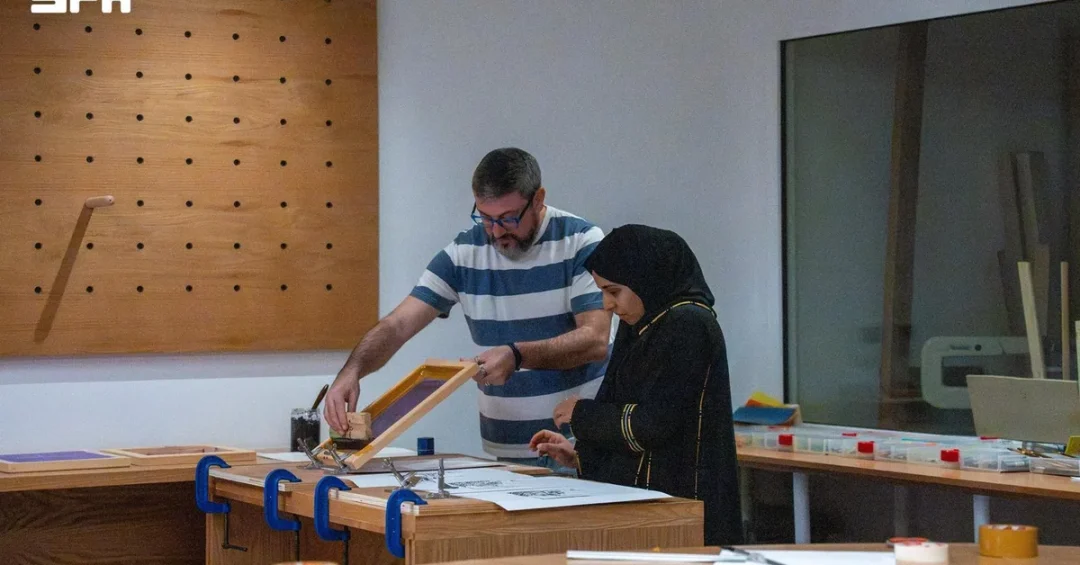
Continuing this interest in a contemporary context, Hayy Jameel is preparing to host “Makers Matters 2026” from November 12 to 14, with craftsmen, designers, and creatives participating. The three-day program is designed around participation rather than passive viewing. According to the Saudi Press Agency, the event includes hands-on workshops and educational activities introducing participants to materials, shaping techniques, and production methods. These sessions place tools and raw materials directly in the hands of attendees, allowing them to understand craft as a process of decision-making, patience, and skill rather than as a finished souvenir.
The program also includes dedicated activities for children, focused on weaving, doll-making, and clay modeling. This emphasis on young participants is significant. Childhood exposure to tactile making is often where lifelong appreciation for craftsmanship begins, and by designing age-appropriate activities around familiar materials, the organizers create a welcoming entry point for families. Could playful engagement with clay and thread be the first step toward a future career in design or artisan production? For many children, it will at least be an introduction to the idea that useful and beautiful things are made by human hands, with care and intention.
The gathering of craftsmen, designers, and creatives in a single program reflects a deliberate bridging of worlds. Artisans bring knowledge of materials and traditional technique; designers bring contemporary sensibilities about form, function, and market; creatives from other disciplines bring fresh perspective. When these groups work side by side in workshops, the exchange runs in both directions. Designers learn the constraints and possibilities embedded in traditional methods, while craftsmen encounter new applications for skills developed over years. This collaborative format is what distinguishes Makers Matters 2026 from a conventional exhibition, and it is central to the event’s stated purpose of reviving professional heritage through creative experience.
International and Regional Impact
Jeddah’s crafts and the cultural programming now surrounding them carry significance beyond the Kingdom’s borders. As a historic Red Sea port, Jeddah has long functioned as a meeting point between Africa, the Arabian Peninsula, and the wider Indian Ocean trading world, and its material culture reflects that layered history. When international visitors attend events such as Makers Matters 2026, they encounter not a staged display but a living tradition with documented roots. Regional audiences, meanwhile, find in Jeddah’s experience a model for how historic craft economies can be integrated into modern cultural and tourism economies. Is it any wonder that heritage has become one of the Kingdom’s most persuasive forms of soft power?
The attention given to crafts also aligns with the growing international interest in authentic, locally produced goods. Travelers and consumers increasingly seek out objects and experiences with verifiable origins and human stories behind them. Jeddah’s craftsmen, equipped with traditions documented across generations, are well positioned to meet that demand. Programs that connect them with designers and with platforms for showcasing their work help translate heritage into sustainable livelihoods. The regional dimension is equally important: collaboration among Gulf cultural institutions around shared craft traditions strengthens a sense of common heritage while creating economies of scale for exhibitions, workshops, and training.
Economic and Strategic Significance
The revival of traditional crafts is not only a cultural matter; it has direct economic implications. Craft production supports small businesses, independent artisans, and family enterprises, many of which operate within Jeddah’s historic districts. When craftsmen gain access to new markets through cultural events, retail partnerships, and design collaborations, the income generated stays within local communities. Training programs and workshops also build human capital, equipping participants with practical skills that can translate into employment or entrepreneurship. In a diversified economy, these small-scale but widespread activities contribute meaningfully to household incomes and to the resilience of local supply chains.
Strategically, the documentation and promotion of crafts create lasting institutional value. Archives such as the 1996 book on Jeddah’s craftsmen, together with contemporary programming that builds on them, form a knowledge base that future generations can draw upon. This continuity matters for a city positioning itself as a cultural destination. Visitors who come for heritage experiences spend on hospitality, transport, and retail, generating ripple effects across the local economy. What could be more strategic than converting a city’s memory into a durable economic asset while strengthening the social fabric that produced it? The combination of documentation, education, and market access forms a coherent model for heritage-based development.
Vision 2030 Alignment
These developments resonate clearly with Saudi Vision 2030, the national transformation agenda that places culture, quality of life, and economic diversification at its heart. Vision 2030 recognizes that a vibrant cultural sector enriches society and creates opportunity, and it has supported the growth of festivals, museums, libraries, and creative districts across the Kingdom. The work of institutions such as Jameel Library and Hayy Jameel in Jeddah exemplifies this direction: programming that honors the past while inviting broad public participation, with particular attention to families and young people. Preserving professional heritage is thus not a nostalgic exercise but an investment in the Kingdom’s cultural capital and its creative economy.
Looking ahead, the revival of Jeddah’s traditional crafts points toward a future in which artisans and designers work together to carry inherited skills into new contexts. The coming days of Makers Matters 2026, running from November 12 to 14, will offer a concrete demonstration of that collaboration, and the continued accessibility of historical documentation will ensure that the foundation remains visible and understood. For a city whose prosperity was built on exchange, the renewed celebration of its craftsmen is a fitting expression of continuity and ambition. Saudi Arabia’s broader journey toward Vision 2030 is strengthened by precisely this kind of grounded, community-rooted cultural work, which connects the Kingdom’s deep heritage to its forward-looking global role.
20 Questions
Q1. What do traditional crafts represent in Jeddah Governorate?
A1. According to information released via the Saudi Press Agency, traditional crafts in Jeddah Governorate retain a prominent place in the city’s cultural and social memory, representing professions closely tied to daily life and economic activity.
Q2. Which institution selected a book on Jeddah’s craftsmen for its November cultural program?
A2. Jameel Library selected the book on Jeddah’s craftsmen for its November cultural program, renewing interest in the history of handicrafts and the social organization that supported them.
Q3. When was the book on Jeddah’s craftsmen published?
A3. The book was published in 1996. It documents aspects of craftsmen’s lives during the 14th century AH, offering a historical window into their trades and social organization.
Q4. What historical period does the book document?
A4. The book documents aspects of craftsmen’s lives during the 14th century AH, capturing not only techniques but also the market customs and apprenticeships that defined professional life in Jeddah.
Q5. What event is Hayy Jameel preparing to host?
A5. Hayy Jameel is preparing to host “Makers Matters 2026,” a cultural program bringing together craftsmen, designers, and creatives in a collaborative setting in Jeddah.
Q6. When will Makers Matters 2026 take place?
A6. According to the Saudi Press Agency, Makers Matters 2026 will run from November 12 to 14, offering three days of hands-on workshops and educational activities for participants and families.
Q7. Who is participating in Makers Matters 2026?
A7. Craftsmen, designers, and creatives are participating in Makers Matters 2026, working side by side and exchanging knowledge of traditional technique and contemporary design practice.
Q8. What kinds of activities does the program include?
A8. The program includes hands-on workshops and educational activities introducing participants to materials, shaping techniques, and production methods, allowing attendees to experience craft as an active process.
Q9. What activities are planned for children?
A9. Activities for children focus on weaving, doll-making, and clay modeling. These age-appropriate sessions create a welcoming entry point for families and introduce young participants to tactile making.
Q10. Why is the children’s programming significant?
A10. Childhood exposure to tactile making is often where lifelong appreciation for craftsmanship begins. By engaging children with familiar materials, the organizers help cultivate the next generation’s interest in heritage crafts.
Q11. Why is Jeddah’s craft heritage internationally significant?
A11. As a historic Red Sea port and entry point for pilgrims, Jeddah absorbed influences from across the region and beyond, and its material culture reflects a layered trading history of enduring international interest.
Q12. How does the event differ from a conventional exhibition?
A12. Makers Matters 2026 is designed around participation rather than passive viewing. The collaborative workshop format places tools and materials directly in the hands of attendees and fosters two-way exchange.
Q13. What economic value do craft traditions create?
A13. Craft production supports small businesses, independent artisans, and family enterprises. When craftsmen access new markets through cultural events and design collaborations, income stays within local communities.
Q14. How does documentation support the crafts sector?
A14. Archives such as the 1996 book form a knowledge base future generations can draw upon. This documentation gives designers and researchers a reliable reference point grounded in documented local practice.
Q15. What is the relationship between craftsmen and designers at the event?
A15. Artisans bring knowledge of materials and traditional technique, while designers bring contemporary sensibilities. Working side by side, both groups exchange perspectives and discover new applications for inherited skills.
Q16. How does craft revival connect to Saudi Vision 2030?
A16. Vision 2030 places culture, quality of life, and economic diversification at its heart. Craft revival supports a vibrant cultural sector, enriches society, and creates opportunity for artisans and creatives.
Q17. What role does Jameel Library play in the revival?
A17. Jameel Library contributes by selecting historical material on Jeddah’s craftsmen for its cultural program, placing documented heritage before audiences who might otherwise never encounter it.
Q18. How does the programming attract international visitors?
A18. International visitors increasingly seek authentic goods and experiences with verifiable origins. Events such as Makers Matters 2026 offer living tradition with documented roots, attracting travelers interested in heritage.
Q19. What long-term value does this cultural work create?
A19. The combination of documentation, education, and market access forms a coherent model for heritage-based development, converting a city’s memory into a durable economic and cultural asset.
Q20. What does the future of Jeddah’s crafts look like?
A20. The future points toward artisans and designers working together to carry inherited skills into new contexts, supported by accessible documentation and continued public programming aligned with Vision 2030.
Reader Feedback
We value your thoughts. Please share your feedback on this article.
Your feedback helps us improve our coverage.
Related articles
 Home and Family Exhibition Showcases Arab Culinary Heritage
 Three Peregrine Falcons Fetch SAR330,000 at Saudi Auction
 Riyadh Season Transforms Capital into City of Art
 Makkah Arabian Horse Festival Celebrates Saudi Heritage
 Hail Governor Receives Arabian Horse Championship Officials
 AlUla Youth Share History at Continuous Story Exhibition