


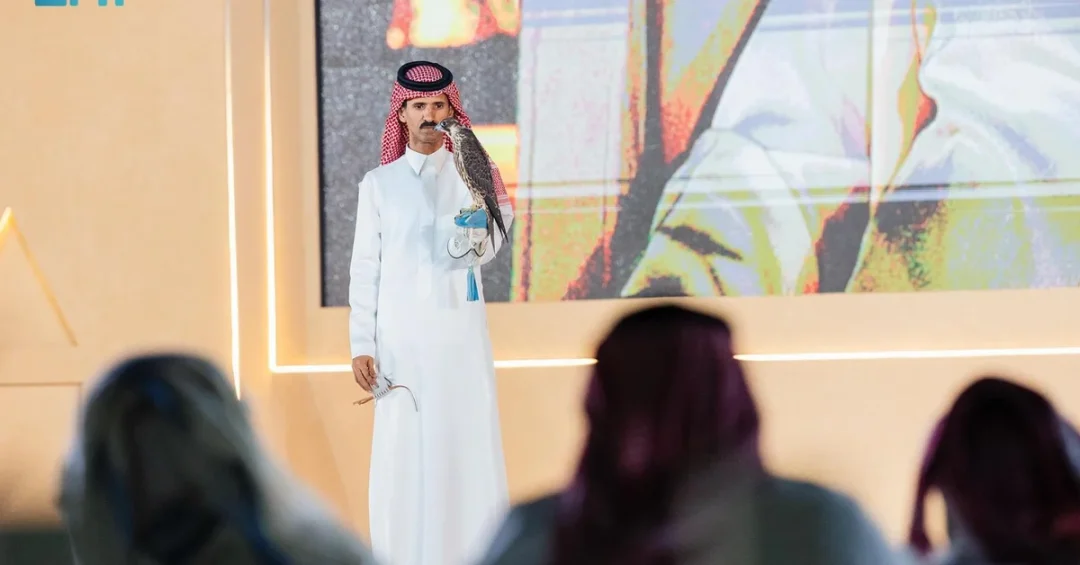
Two falcons were sold for a combined SAR196,000 on the 16th night of the Saudi Falcons Club Auction 2024, held at the club’s headquarters in Malham, north of Riyadh, according to the Saudi Press Agency (SPA). The auction, which continues until November 15, has become a flagship event for the Kingdom’s falconry community, drawing breeders, enthusiasts, and international observers. The first falcon, a young Shaheen from Sakaka in Al-Jouf, opened at SAR40,000 and sold for SAR121,000. The night concluded with a second young Shaheen from Al-Mastourah, which sold for SAR75,000. These sales underscore the enduring cultural and economic value of falconry in Saudi Arabia.
The Saudi Falcons Club Auction is not merely a marketplace; it is a vibrant celebration of a heritage that stretches back centuries across the Arabian Peninsula. Under the patronage of the Saudi Falcons Club, the event provides a platform for falconers to showcase their birds, exchange knowledge, and participate in a tradition that has been passed down through generations. The auction’s live broadcast on television and social media extends its reach far beyond the physical venue, allowing a global audience to witness the excitement and camaraderie of the bidding process. As the auction progresses, it continues to highlight the Kingdom’s commitment to preserving its cultural legacy while embracing modern economic opportunities.
Context and Background
How did falconry become such an integral part of Saudi Arabia’s identity, and why does it continue to thrive in the modern era? Falconry, known as “Al-Qanas” in the Arabian Peninsula, has been practiced for thousands of years by Bedouin tribes who relied on falcons for hunting and survival in the desert. Over time, it evolved into a symbol of prestige, patience, and connection to nature. The Saudi Falcons Club, established to regulate and promote the sport, plays a pivotal role in organizing events like the annual auction. This year’s auction, now in its 16th night, reflects the growing interest in falconry among younger generations and the broader public.
The club’s efforts are part of a larger national strategy to preserve intangible cultural heritage while fostering economic diversification. Falconry is recognized by UNESCO as an Intangible Cultural Heritage of Humanity, and Saudi Arabia has been at the forefront of efforts to safeguard this tradition. The auction not only facilitates trade but also serves as an educational platform, offering workshops and demonstrations that teach participants about falcon care, training, and conservation. By integrating tradition with modern event management, the Saudi Falcons Club ensures that falconry remains relevant and accessible to a wide audience.
Moreover, the auction’s location in Malham, north of Riyadh, provides a fitting backdrop for this cultural showcase. The area has become a hub for falconry activities, hosting various competitions and exhibitions throughout the year. The Saudi Falcons Club’s comprehensive services, including accommodations and transportation for falcon owners from the Eastern, Northern, Northwestern, and Southwestern regions, demonstrate a commitment to inclusivity and support for the falconry community. Such initiatives not only strengthen cultural ties but also contribute to local economies by attracting visitors and generating business for hospitality and retail sectors.
Key Details
What makes the sale of these two falcons particularly noteworthy in the context of the auction’s history? The first falcon, a young Shaheen from Sakaka, commanded significant attention as bidding started at SAR40,000 and quickly escalated to SAR121,000. The Shaheen, known for its speed and agility, is highly prized among falconers for its hunting prowess. The second falcon, also a young Shaheen from Al-Mastourah, sold for SAR75,000, bringing the night’s total to SAR196,000. These figures reflect the premium placed on well-bred, healthy falcons and the competitive nature of the auction.
The auction’s fast-paced format, broadcast live on television and social media, adds an element of excitement and transparency. Each falcon is presented with detailed information about its origin, age, and health, allowing buyers to make informed decisions. The Saudi Falcons Club ensures that all transactions adhere to strict regulations, promoting ethical practices and the sustainability of falcon populations. This year’s auction has already seen a variety of falcons sold, with prices ranging from modest to record-breaking, indicating a robust market for these magnificent birds.
Beyond the financial transactions, the auction serves as a gathering point for the falconry community. Falconers from across the Kingdom and beyond come together to share stories, techniques, and a mutual passion for the sport. The event also attracts tourists and wildlife enthusiasts, offering them a unique glimpse into Saudi Arabia’s cultural heritage. The club’s teams work tirelessly to ensure a seamless experience for all participants, from registration to the final gavel. This level of organization and hospitality exemplifies the Kingdom’s broader efforts to host world-class events that celebrate its traditions.
International and Regional Impact
How does the Saudi Falcons Club Auction resonate with international audiences and contribute to regional cooperation? Falconry is a global phenomenon, with enthusiasts in Europe, Asia, and North America. The auction draws interest from international buyers who seek top-quality falcons and appreciate the Kingdom’s expertise in breeding and training. By hosting such events, Saudi Arabia positions itself as a leader in the preservation and promotion of falconry, fostering cross-cultural exchange and understanding. The live broadcast on social media platforms further amplifies this reach, allowing viewers worldwide to engage with the auction in real time.
Regionally, the auction strengthens ties with neighboring Gulf countries, where falconry is equally cherished. Falconers from the United Arab Emirates, Qatar, Kuwait, and Bahrain often participate, creating a spirit of friendly competition and collaboration. The Saudi Falcons Club collaborates with international organizations and experts to share best practices in falcon conservation and veterinary care. These partnerships enhance the Kingdom’s reputation as a responsible steward of wildlife and a hub for cultural tourism. The auction’s success also highlights the potential for economic diversification, as falconry-related activities generate revenue and create jobs in sectors such as hospitality, retail, and event management.
Economic and Strategic Significance
What economic benefits does the falcon auction bring to Saudi Arabia, and how does it align with broader strategic goals? The auction generates direct revenue through sales, but its impact extends far beyond the auction floor. It stimulates local businesses, including hotels, restaurants, and transport services, particularly in the Riyadh region. The influx of visitors during the auction season boosts tourism, contributing to the Kingdom’s goal of increasing tourism’s share of GDP. Additionally, the event showcases Saudi Arabia’s capabilities in organizing large-scale, culturally significant gatherings, reinforcing its position as a premier destination for heritage tourism.
Strategically, the auction supports the diversification of the economy away from oil dependence, a core objective of Saudi Vision 2030. By promoting cultural industries and heritage sports, the Kingdom creates new avenues for economic growth and job creation. The Saudi Falcons Club’s investments in infrastructure, such as the facilities at Malham, and its comprehensive services for falconers, demonstrate a long-term commitment to developing this niche market. Furthermore, the auction enhances Saudi Arabia’s soft power by projecting an image of a nation that values its traditions while embracing modernity and global engagement.
Vision 2030 Alignment
How does the Saudi Falcons Club Auction exemplify the objectives of Saudi Vision 2030? Vision 2030 aims to diversify the economy, preserve cultural heritage, and improve quality of life. The auction directly contributes to these goals by promoting falconry as a cultural and economic activity. It encourages community participation, supports small businesses, and attracts international visitors. The Saudi Falcons Club’s efforts to regulate and promote falconry ensure that the tradition is passed on to future generations, aligning with the vision’s emphasis on cultural preservation and national identity.
Looking ahead, the Saudi Falcons Club plans to expand its programs and reach, further integrating falconry into the Kingdom’s tourism and entertainment landscape. The auction’s continued success will serve as a model for other heritage-based initiatives, demonstrating how tradition and innovation can coexist. As Saudi Arabia marches toward 2030, events like this auction highlight the Kingdom’s ability to honor its past while building a prosperous and dynamic future. The sale of two falcons for SAR196,000 is a small but meaningful testament to the enduring value of this noble sport and its role in shaping Saudi Arabia’s global image.
20 Questions
Q1. What was the total amount raised from the sale of two falcons on the 16th night of the Saudi Falcons Club Auction 2024?
A1. The two falcons sold for a combined total of SAR196,000, according to the Saudi Press Agency. The first falcon sold for SAR121,000 and the second for SAR75,000, reflecting strong demand for high-quality birds.
Q2. Where was the first falcon from and what was its selling price?
A2. The first falcon was a young Shaheen from Sakaka in Al-Jouf. Bidding started at SAR40,000 and it was sold for SAR121,000, highlighting the premium value placed on falcons from this region.
Q3. What type of falcon was sold second and where did it originate?
A3. The second falcon was also a young Shaheen, originating from Al-Mastourah. It sold for SAR75,000, contributing to the night’s total and showcasing the diversity of falcon sources.
Q4. How long does the Saudi Falcons Club Auction 2024 run?
A4. The auction continues until November 15, 2024. It is held at the club’s headquarters in Malham, north of Riyadh, and features nightly sales of falcons over multiple days.
Q5. What services does the Saudi Falcons Club provide to falcon owners during the auction?
A5. The club offers comprehensive services including accommodations and transportation for falcon owners from the Eastern, Northern, Northwestern, and Southwestern regions. This ensures easy access to the auction site and a comfortable experience.
Q6. How is each falcon showcased during the auction?
A6. Each falcon is presented in a fast-paced live auction that is broadcast on television and via the club’s social-media platforms. This allows a wide audience to participate and follow the bidding in real time.
Q7. What is the significance of the Saudi Falcons Club Auction in the Kingdom?
A7. It is classified as the largest official falcon auction in the Kingdom. It promotes the cultural, historical, and economic heritage of Saudi Arabia and supports activities related to the falconry hobby.
Q8. How does the auction align with Saudi Vision 2030?
A8. The auction supports Saudi Vision 2030 by promoting cultural heritage, economic diversification, and tourism. It contributes to the goals of preserving traditions while creating economic opportunities and enhancing quality of life.
Q9. What is the historical importance of falconry in Saudi Arabia?
A9. Falconry, known as Al-Qanas, has been practiced for thousands of years by Bedouin tribes. It is a symbol of prestige and connection to nature, recognized by UNESCO as Intangible Cultural Heritage of Humanity.
Q10. How does the auction attract international attention?
A10. The auction is broadcast on television and social media, drawing interest from international buyers and enthusiasts. It positions Saudi Arabia as a leader in falconry preservation and promotes cross-cultural exchange.
Q11. What economic benefits does the auction bring to the local region?
A11. The auction stimulates local businesses such as hotels, restaurants, and transport services. It boosts tourism and creates jobs, contributing to the diversification of the economy away from oil dependence.
Q12. Are there regulations in place to ensure ethical practices at the auction?
A12. Yes, the Saudi Falcons Club enforces strict regulations to promote ethical practices and sustainability. All falcons are presented with detailed information about origin, age, and health to ensure transparency.
Q13. What role does the Saudi Falcons Club play in preserving falconry?
A13. The club regulates and promotes falconry, organizes events, and provides educational workshops. It works to pass on the tradition to future generations and collaborates with international experts on conservation.
Q14. How many nights has the auction been running as of the 16th night?
A14. The auction has been running for 16 nights as of the reported sale. It continues until November 15, featuring nightly auctions of falcons from various regions.
Q15. What makes Shaheen falcons particularly valuable?
A15. Shaheen falcons are prized for their speed, agility, and hunting prowess. They are highly sought after by falconers, which drives up bidding prices at auctions like this one.
Q16. How does the auction contribute to Saudi Arabia’s tourism goals?
A16. The auction attracts visitors from within the Kingdom and abroad, boosting tourism. It showcases Saudi heritage and hospitality, aligning with Vision 2030’s aim to increase tourism’s share of GDP.
Q17. What is the role of the Saudi Press Agency in reporting this event?
A17. The Saudi Press Agency (SPA) is the official news agency that reported the auction results. It provides accurate and timely information about official Saudi events and initiatives.
Q18. How can falconers from remote regions participate in the auction?
A18. The Saudi Falcons Club assists falcon owners from the Eastern, Northern, Northwestern, and Southwestern regions by arranging accommodations and transportation to the auction site in Malham.
Q19. What are the future plans for the Saudi Falcons Club Auction?
A19. The club plans to expand its programs and reach, further integrating falconry into tourism and entertainment. The auction’s success will serve as a model for other heritage-based initiatives.
Q20. Why is falconry considered an important part of Saudi Arabia’s cultural identity?
A20. Falconry represents a deep connection to Bedouin heritage and the desert environment. It embodies values of patience, skill, and respect for nature, and is actively preserved as part of the Kingdom’s cultural legacy.
Reader Feedback
We value your thoughts. Please share your feedback on this article.
Your feedback helps us improve our coverage.
Related articles
 KSGAAL Highlights Arab Cultural Richness at UNESCO Arab Week
 Arab Countries Commend Saudi-Led Arab Week at UNESCO
 UNESCO Chief Praises Saudi Arabia’s Arab Week Initiative
 International Translation Forum 2024: Riyadh Hosts Global Gathering
 Yemeni Culture Shines at Suwaidi Park, Riyadh Season 2024
 AlUla Signs Heritage Deal with Naples Museum