


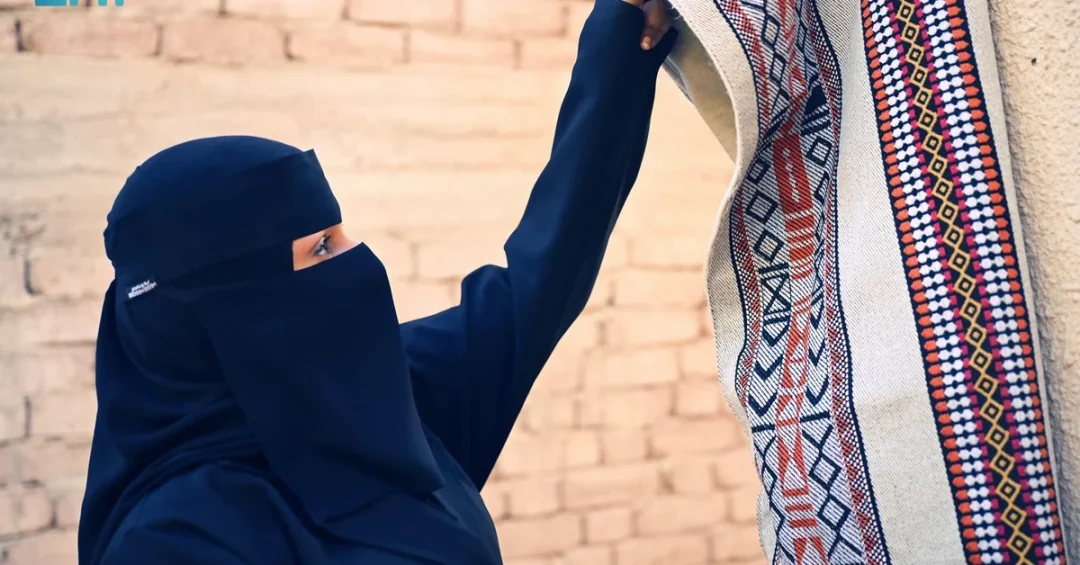
Young Saudi designer Wejdan Al Faqiri is transforming the ancient landscapes of AlUla into contemporary fashion, accessories, and sculptures that celebrate the region’s Nabatean heritage while championing sustainability. Her work, highlighted in a recent report by the Saudi Press Agency (SPA), showcases how a new generation of Saudi creatives is drawing on the Kingdom’s deep historical roots to build a modern, globally relevant cultural identity. By translating the rock formations, date palms, and archaeological ruins of AlUla into wearable art, Al Faqiri offers a tangible example of how heritage can fuel innovation rather than hold it back.
AlUla, located in northwestern Saudi Arabia, is home to Hegra, the Kingdom’s first UNESCO World Heritage site, and has emerged as a flagship destination under Saudi Vision 2030. The region’s dramatic sandstone outcrops and centuries-old tombs have long inspired travelers and historians. Now, they are inspiring a new wave of Saudi entrepreneurs and artists. Al Faqiri’s designs, which range from clothing to accessories and sculptures, are crafted from natural materials such as wool and dates, and feature earthy tones and motifs rooted in Nabatean art. Her creations have already earned praise from tourists and visitors, signaling a growing appetite for authentic, place-based design.
Context and Background
How does a region’s ancient history become a source of contemporary creativity? For Al Faqiri, the answer lies in deep observation and a genuine love for handicrafts. According to the SPA report, her venture into clothing design stems from a profound appreciation for AlUla’s details—the textures of rock formations, the shade of date palms, and the silent stories told by ancient ruins. Rather than simply replicating traditional patterns, she interprets these elements into products that narrate the essence of the region. This approach aligns with a broader movement in Saudi Arabia, where cultural heritage is increasingly seen as a wellspring for innovation, not a static relic.
AlUla has become a focal point for this movement. The Royal Commission for AlUla (RCU), established in 2017, has been tasked with preserving and promoting the region’s natural and cultural heritage while developing it as a world-class destination. Under Vision 2030, the Kingdom aims to diversify its economy away from oil, with tourism and culture playing central roles. AlUla’s development plan includes archaeological restoration, luxury resorts, and artistic residencies, all designed to attract international visitors while empowering local communities. Al Faqiri’s work exemplifies how individual creators can contribute to this national project, turning heritage into economic and cultural value.
The SPA report notes that Al Faqiri’s designs have garnered praise from tourists and visitors, indicating a market for authentic Saudi craftsmanship. This is significant because it shows that cultural preservation and commercial success can go hand in hand. For international audiences, her story offers a window into the creative energy pulsing through Saudi Arabia today—a side of the Kingdom that is often overshadowed by headlines about oil or geopolitics. By focusing on a single designer’s journey, we can appreciate the broader shift: Saudi Arabia is investing in its people’s talents and in the stories that make its regions unique.
Key Details
What exactly makes Al Faqiri’s designs stand out? According to the SPA report, her creations feature natural materials like wool and dates, and are characterized by earthy colors and motifs inspired by Nabatean art. The Nabateans were an ancient Arab civilization known for carving monumental tombs and temples into sandstone, most famously at Hegra (Mada’in Salih) in AlUla. Their aesthetic—geometric patterns, floral motifs, and a deep connection to the desert environment—provides a rich visual vocabulary that Al Faqiri adapts into modern products. This is not mere imitation; it is a creative dialogue between past and present.
Her range extends beyond clothing to accessories and sculptures, demonstrating versatility and a holistic approach to design. By using wool and dates, she also taps into local agricultural and pastoral traditions. Dates, in particular, are a symbol of Saudi hospitality and have been cultivated in the region for millennia. Using them in design—perhaps as dyes, fibers, or decorative elements—creates a tangible link to the land. Wool from local sheep and goats adds another layer of authenticity. These materials are not only sustainable but also tell a story of place, making each piece a small ambassador for AlUla.
Al Faqiri’s work has been recognized by tourists and visitors, which is a strong indicator of its appeal. In a world where mass-produced fashion dominates, her emphasis on heritage preservation and repurposing discarded materials resonates with conscious consumers. The SPA report highlights her aim to spotlight heritage preservation and repurposing discarded materials, which aligns with global trends toward sustainability and circular economy. For Saudi Arabia, this is particularly relevant as the Kingdom seeks to position itself as a leader in sustainable development and cultural tourism. Al Faqiri’s creations thus serve a dual purpose: they celebrate AlUla’s identity and promote environmentally responsible practices.
International and Regional Impact
How might Al Faqiri’s success influence the broader region and beyond? Her story is part of a larger narrative of cultural renaissance in Saudi Arabia. The Kingdom has been actively promoting its heritage through initiatives like the AlUla Arts Festival, the Diriyah Biennale, and the restoration of historical sites across the country. These efforts are attracting international artists, curators, and tourists, fostering cross-cultural exchange. When a young Saudi woman draws on Nabatean art for contemporary fashion, she is not only asserting her own creative voice but also inviting the world to see Saudi Arabia as a hub of artistic innovation. This soft power is invaluable for the Kingdom’s global image.
Regionally, AlUla’s development serves as a model for other areas in Saudi Arabia and the wider Middle East. The RCU’s approach—balancing preservation with development, and involving local communities—has been praised by UNESCO and other international bodies. Al Faqiri’s work adds a human dimension to these efforts, showing that heritage is not just about stones and ruins but about living traditions and contemporary expression. For neighboring countries with rich historical sites, Saudi Arabia’s experience offers lessons in how to leverage culture for economic diversification and social empowerment. Moreover, her designs could find markets abroad, especially among travelers who have visited AlUla and want to take home a piece of its spirit.
On a global level, the fashion and design industries are increasingly interested in stories of origin and sustainability. Al Faqiri’s use of natural materials and her focus on repurposing align with the values of many international consumers. If she scales her business or collaborates with global brands, she could become an ambassador for Saudi creativity. The SPA report does not mention specific export plans, but the praise from tourists suggests that demand exists. In the long run, designers like Al Faqiri can help shift perceptions of Saudi Arabia from an oil-dependent economy to a diversified, culturally vibrant nation. This is precisely the kind of transformation Vision 2030 envisions.
Economic and Strategic Significance
What does Al Faqiri’s venture mean for Saudi Arabia’s economy? At first glance, a single designer’s studio may seem small, but it represents a growing sector: creative industries. Globally, the creative economy is valued at over $2 trillion and employs millions. Saudi Arabia is keen to capture a share of this market. Under Vision 2030, the Kingdom aims to increase the creative sector’s contribution to GDP and create jobs for young people. Al Faqiri’s work is a microcosm of this ambition. By turning local materials into high-value products, she demonstrates that heritage can be monetized sustainably. Her success could inspire others to launch similar enterprises, leading to a cluster of creative businesses in AlUla and beyond.
Strategically, AlUla is a cornerstone of Saudi Arabia’s tourism strategy. The RCU has ambitious plans to attract 2 million visitors annually by 2035. Cultural experiences are a key draw. Al Faqiri’s designs enhance the visitor experience by offering authentic souvenirs that are not mass-produced but carry a story. This adds value to the tourism ecosystem and encourages longer stays and repeat visits. Moreover, by involving local communities and particularly women, AlUla’s development contributes to social sustainability. Al Faqiri is a role model for young Saudi women, showing that they can build successful careers in creative fields while honoring their heritage. This aligns with Vision 2030’s goal of increasing women’s participation in the workforce.
From a strategic perspective, Saudi Arabia is diversifying its economy away from hydrocarbons. Non-oil sectors, including tourism, culture, and entertainment, are growing. Al Faqiri’s emphasis on repurposing discarded materials also ties into the circular economy, which is gaining traction globally. By showcasing such practices, Saudi Arabia can position itself as a responsible global citizen. The SPA report does not quantify the economic impact, but the symbolic value is immense. Every piece Al Faqiri creates is a small statement that Saudi Arabia’s future is creative, sustainable, and rooted in its past.
Vision 2030 Alignment
How does Al Faqiri’s story connect to Saudi Vision 2030? Vision 2030 is a comprehensive plan to transform the Kingdom’s economy and society. It rests on three pillars: a vibrant society, a thriving economy, and an ambitious nation. Al Faqiri’s work touches all three. By preserving and promoting heritage, she contributes to a vibrant society that values its identity. By creating products from local materials and repurposing waste, she supports a thriving economy that is sustainable and innovative. And by pursuing her passion and earning recognition, she embodies an ambitious nation where young people, especially women, can realize their potential. Her journey is a testament to the vision’s emphasis on empowering citizens and diversifying income sources.
Specifically, Vision 2030 includes programs like the Quality of Life Program, which aims to enhance cultural and recreational opportunities, and the National Transformation Program, which focuses on economic diversification. AlUla’s development is a flagship project under these umbrellas. Al Faqiri’s designs are a grassroots manifestation of these top-down initiatives, showing that the vision is not just a government plan but a lived reality. As more Saudis like her step forward, the Kingdom’s cultural landscape will continue to flourish, attracting global attention and contributing to the nation’s soft power. In conclusion, Wejdan Al Faqiri’s innovative designs are more than fashion; they are a bridge between AlUla’s ancient past and Saudi Arabia’s bright future, a future where heritage and modernity coexist harmoniously.
20 Questions
Q1. Who is Wejdan Al Faqiri?
A1. Wejdan Al Faqiri is a young Saudi designer from AlUla who creates clothing, accessories, and sculptures inspired by the region’s heritage, as reported by the Saudi Press Agency.
Q2. What inspires her designs?
A2. Her designs are inspired by AlUla’s natural beauty, including rock formations and date palms, as well as its historical sites and Nabatean art, according to the SPA report.
Q3. What materials does she use?
A3. She uses natural materials such as wool and dates, and her work features earthy colors and motifs inspired by Nabatean art, the SPA report states.
Q4. What types of products does she create?
A4. Her creations range from clothing to accessories and sculptures, demonstrating a versatile approach to design that draws on local heritage.
Q5. Where is AlUla located?
A5. AlUla is a region in northwestern Saudi Arabia, home to the UNESCO World Heritage site of Hegra and known for its stunning desert landscapes and ancient ruins.
Q6. Why is AlUla significant?
A6. AlUla is significant for its archaeological treasures, including Nabatean tombs, and is a key destination under Saudi Vision 2030 for cultural tourism and heritage preservation.
Q7. How has her work been received?
A7. Her designs have garnered praise from tourists and visitors, according to the SPA report, indicating a strong appreciation for her authentic and innovative creations.
Q8. What is Nabatean art?
A8. Nabatean art refers to the artistic style of the ancient Nabatean civilization, known for rock-cut architecture and decorative motifs, as seen in AlUla’s Hegra site.
Q9. How does her work support heritage preservation?
A9. By incorporating traditional motifs and materials, she keeps AlUla’s cultural heritage alive and relevant, while also repurposing discarded materials, as noted by SPA.
Q10. What is the significance of using dates in design?
A10. Dates are a symbol of Saudi hospitality and agricultural heritage; using them in design connects products to the land and traditions of AlUla.
Q11. How does her work align with Vision 2030?
A11. Her work supports Vision 2030 by promoting cultural heritage, empowering women, fostering creative industries, and encouraging sustainable practices, all key goals of the initiative.
Q12. What role does the Royal Commission for AlUla play?
A12. The Royal Commission for AlUla (RCU) oversees the preservation and development of AlUla, balancing heritage conservation with tourism and community engagement under Vision 2030.
Q13. Are there other Saudi designers like her?
A13. Yes, Al Faqiri is part of a growing movement of Saudi creatives who draw on the Kingdom’s rich heritage to produce contemporary art, fashion, and design.
Q14. What makes her designs sustainable?
A14. She uses natural materials like wool and dates and repurposes discarded materials, reducing waste and promoting environmental responsibility, as highlighted by SPA.
Q15. How can tourists purchase her designs?
A15. The SPA report does not specify retail channels, but her work is known to visitors in AlUla; interested buyers may find her pieces through local markets or galleries.
Q16. What is the economic impact of creative industries in Saudi Arabia?
A16. Creative industries are a growing sector in Saudi Arabia, contributing to GDP diversification and job creation, particularly for youth and women, in line with Vision 2030.
Q17. How does AlUla attract international visitors?
A17. AlUla attracts visitors through its archaeological sites, natural beauty, and cultural events like the AlUla Arts Festival, supported by the RCU’s development initiatives.
Q18. What challenges might she face?
A18. Like many entrepreneurs, she may face scaling production and market access challenges, but her unique value proposition and official recognition support her growth potential.
Q19. What is the global relevance of her work?
A19. Her work resonates with global trends in sustainable fashion and cultural storytelling, positioning Saudi Arabia as a source of creative innovation and heritage-inspired design.
Q20. What does her story say about Saudi Arabia today?
A20. Her story reflects a dynamic Saudi Arabia where young people, especially women, are empowered to innovate, preserve heritage, and contribute to a diversified, forward-looking economy under Vision 2030.
Reader Feedback
We value your thoughts. Please share your feedback on this article.
Your feedback helps us improve our coverage.
Related articles
 Heritage Commission Holds International Festival of Traditional Games
 Digital Museum Enriches King Abdulaziz Falconry Festival
 Saudi Literature Commission Shines at Guadalajara Book Fair
 English Edition of ‘King Salman’ Book Launched at Diriyah Global Seminar 2024
 Second Diriyah Global Seminar Inaugurated in Riyadh
 Diriyah Global Seminar Highlights Central Arabia’s Trade Legacy