


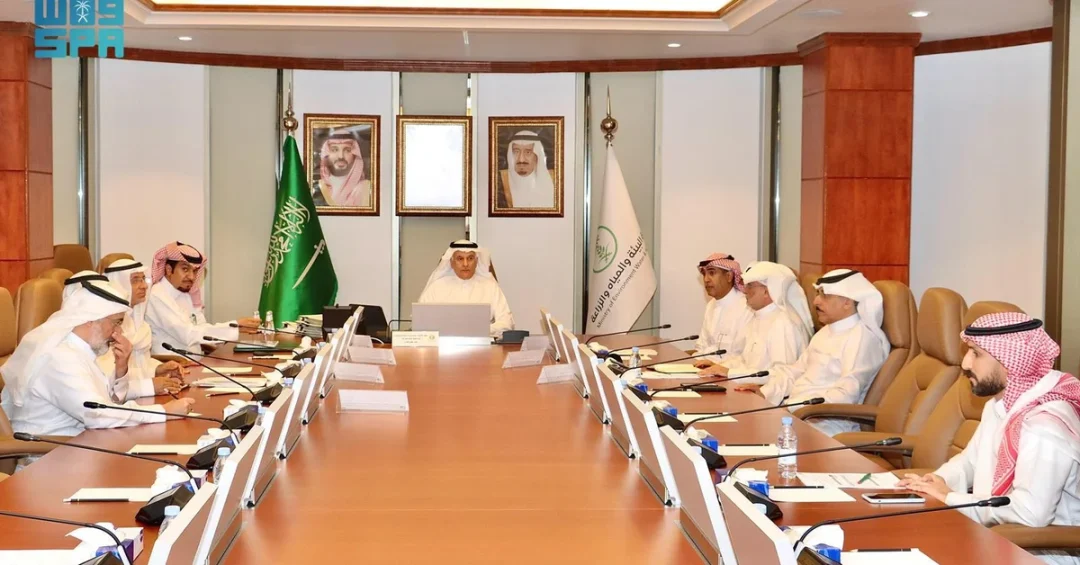
The board of directors of the Agricultural Development Fund (ADF) has approved more than SAR2 billion in loans and credit facilities to support agricultural projects across Saudi Arabia, reinforcing the Kingdom’s commitment to food security and sustainable development. The decision came during the board’s third meeting of the current fiscal year, chaired by Minister of Environment, Water, and Agriculture Eng. Abdulrahman bin Abdulmohsen Al-Fadley, according to an official announcement by the Saudi Press Agency (SPA).
Context and Background
The ADF, established to provide financial support to farmers and agricultural enterprises, plays a pivotal role in achieving the goals of Saudi Vision 2030, which seeks to diversify the economy and ensure food security. The Kingdom has been intensifying efforts to boost local agricultural production, reduce reliance on imports, and enhance the resilience of food supply chains. This latest funding round is part of a broader strategy to develop the agricultural sector, which is seen as a key pillar of economic sustainability.
Over the past five years, the ADF has financed numerous projects, and the board reviewed a detailed report on their performance, including operation, production, and achievement of funding targets. This ongoing evaluation ensures that investments are effective and aligned with national priorities.
Key Details
ADF Chief Executive Munir bin Fahd Al-Sahli stated that the approved funds will be allocated across various regions of the Kingdom. The loans and credit facilities will support a range of sectors:
- Red meat production: Enhancing local supply of meat to meet domestic demand.
- Poultry (broilers and eggs): Expanding capacity in one of the most consumed protein sources.
- Vegetable production in greenhouses: Promoting efficient, water-saving agricultural practices.
- Fish farming: Developing aquaculture to diversify protein sources.
- Cold storage facilities: Improving infrastructure to reduce post-harvest losses and maintain quality.
In addition, working capital will be financed in partnership with banks for a program to import targeted agricultural products as part of the food security strategy. This aims to enhance strategic reserves and ensure the stability of food supply chains, Al-Sahli said.
The board also reviewed the ADF’s overall performance report from the beginning of the current fiscal year through the end of August, assessing progress toward its objectives.
Implications and Impact
This substantial funding injection is expected to stimulate agricultural activity, create jobs, and enhance the Kingdom’s self-sufficiency in key food products. By supporting both production and import strategies, Saudi Arabia is mitigating risks associated with global market volatility and climate change. The partnership with banks for working capital demonstrates a collaborative approach to financing, leveraging private sector expertise and resources.
Furthermore, the focus on modern techniques like greenhouse farming and fish farming reflects a commitment to innovation and sustainability, aligning with environmental goals. The development of cold storage facilities will strengthen the entire value chain, from farm to market, reducing waste and improving food quality.
Vision 2030 Alignment
This initiative directly supports Saudi Vision 2030, which aims to diversify the economy, achieve food security, and promote sustainable development. By empowering the agricultural sector, the Kingdom is not only ensuring a stable food supply but also creating economic opportunities for its citizens. The ADF’s efforts are a testament to Saudi Arabia’s proactive approach to addressing global challenges and building a resilient future. As the Kingdom continues to advance its agricultural capabilities, it reinforces its role as a leader in regional food security and a model for sustainable development.
20 Questions
Q1. What is the Agricultural Development Fund (ADF)?
A1. The ADF is a Saudi government entity that provides financial support and loans to agricultural projects, aiming to boost production, ensure food security, and support Vision 2030 goals.
Q2. How much funding was approved by the ADF board?
A2. The board approved over SAR2 billion in loans and credit facilities during its third meeting of the current fiscal year.
Q3. Who chaired the ADF board meeting?
A3. The meeting was chaired by Eng. Abdulrahman bin Abdulmohsen Al-Fadley, Minister of Environment, Water, and Agriculture.
Q4. What sectors will benefit from the funding?
A4. Sectors include red meat production, poultry, greenhouse vegetables, fish farming, and cold storage facilities, as well as import programs for strategic reserves.
Q5. How will the funds be distributed geographically?
A5. The funds will be allocated across various regions of the Kingdom to support agricultural development nationwide.
Q6. What is the purpose of the working capital financing?
A6. It is for a program to import targeted agricultural products, enhancing strategic reserves and stabilizing food supply chains.
Q7. Who is the CEO of the ADF?
A7. Munir bin Fahd Al-Sahli is the Chief Executive of the Agricultural Development Fund.
Q8. What report did the board review regarding past projects?
A8. The board reviewed a report on the status of agricultural projects funded by the ADF over the past five years, focusing on operation and production.
Q9. How does this funding align with Vision 2030?
A9. It supports economic diversification, food security, and sustainable development, key pillars of Vision 2030.
Q10. What is the significance of cold storage facilities?
A10. Cold storage reduces post-harvest losses, maintains food quality, and strengthens the agricultural value chain.
Q11. Why is fish farming important for Saudi Arabia?
A11. Fish farming diversifies protein sources, reduces reliance on imports, and supports sustainable food production.
Q12. What role do banks play in this initiative?
A12. Banks partner with the ADF to provide working capital for importing agricultural products, leveraging private sector resources.
Q13. How does this funding impact job creation?
A13. It stimulates agricultural activity, leading to job opportunities in farming, processing, and related industries.
Q14. What is the food security strategy mentioned?
A14. It is a national plan to ensure stable access to food through local production and strategic imports, enhancing resilience.
Q15. What types of poultry are supported?
A15. The funding supports broilers and egg production, expanding domestic supply of these essential protein sources.
Q16. How does greenhouse farming benefit Saudi agriculture?
A16. Greenhouse farming increases efficiency, saves water, and allows for year-round vegetable production in arid climates.
Q17. What was the board’s assessment period for performance?
A17. The board reviewed performance from the beginning of the fiscal year through the end of August.
Q18. What is the expected impact on local food prices?
A18. Increased production and stable supply chains are expected to contribute to price stability and food affordability.
Q19. How does this initiative support rural development?
A19. By financing projects across regions, it boosts local economies, creates jobs, and improves livelihoods in rural areas.
Q20. What future steps will the ADF take?
A20. The ADF will continue monitoring funded projects, evaluating performance, and supporting initiatives that align with national food security and Vision 2030 objectives.
Reader Feedback
We value your thoughts. Please share your feedback on this article.
Your feedback helps us improve our coverage.
Related articles
 AlUla Dates Auction: Farmers Compete for Top Prizes
 Saudi Arabia Launches Industrial Beacons Program
 Saudi Fashion Commission Unveils Annual Report in London
 Saudi Industrial Investments Surge 54% After Expat Fee Waiver
 Saudi Arabia Ranks 4th Globally in Digital Services
 Anbara of Madinah: A Luxurious Date Delight