


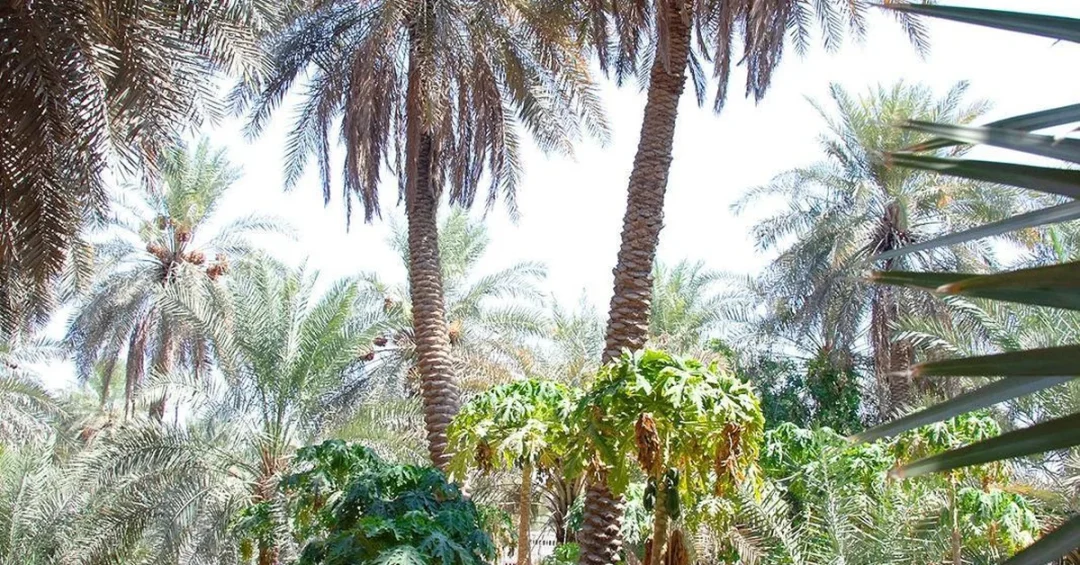
Farmers across the Al-Ahsa Oasis are celebrating this year’s Date Harvest Season, gathering the oasis’s most prominent agricultural crop after a full year of careful palm care, irrigation, pollination, and pest control, according to information released by the Saudi Press Agency (SPA). The annual harvest, which begins as date bunches are cut from the palms and then sorted by quality, size, and color, is far more than a farming routine. It is a defining moment in the life of the oasis, a source of income for local families, and a living expression of the region’s history, economy, and social identity. For generations, dates have been closely associated with the daily lives of Al-Ahsa residents and have contributed to agricultural activity in the region for decades.
Why does a single harvest season in eastern Saudi Arabia matter to audiences far beyond the Kingdom’s borders? The answer lies in the scale, heritage, and strategic importance of Al-Ahsa itself. Recognized as one of the world’s largest and oldest continuously cultivated oases, Al-Ahsa is a UNESCO World Heritage site and a cornerstone of Saudi Arabia’s agricultural landscape. Its palm groves produce dates that reach markets across the Kingdom and around the world, while the harvest cycle sustains rural livelihoods, preserves inherited farming expertise, and supports national food security objectives. As this year’s season gets underway, the oasis once again demonstrates how tradition and modern agricultural practice can grow side by side.
Context and Background
What makes the Date Harvest Season such an enduring feature of Al-Ahsa life? The season forms part of an integrated agricultural cycle that begins long before the first bunch is cut. Farmers care for the palm trees throughout the year, managing irrigation, fertilization, pollination, and pest control, before selecting the appropriate time to harvest. Only then does the work of sorting, cleaning, grading, packaging, storage, processing, and marketing begin. Each stage depends on the one before it, and each requires knowledge passed down through generations alongside increasingly sophisticated techniques.
The harvest is closely linked to the oasis’s history, economy, and social identity. Palm trees are an integral part of Al-Ahsa’s agricultural environment, while dates are both a food product and an economic product that has contributed to enhancing the region’s standing within Saudi Arabia’s farming landscape. The season provides a source of income for some farmers through cutting date bunches from the palms, sorting, cleaning, and grading the dates, among other activities. This makes the harvest a period of intensified economic activity that extends across the local community, from palm owners and farm workers to traders, packers, and transporters.
Al-Ahsa’s prominence in the date sector is not accidental. The oasis benefits from abundant groundwater, a warm climate, and soils suited to palm cultivation, conditions that have supported date farming for centuries. That natural advantage has been reinforced by institutional attention to the sector. Saudi Arabia is among the world’s leading producers and exporters of dates, and Al-Ahsa remains central to that position. The harvest season therefore serves as an annual reminder of how a traditional crop can remain economically vital in a rapidly modernizing national economy.
Key Details of the Harvest Season
How are dates prepared once they leave the palm? As the harvest season gets underway, dates are sorted according to their quality, size, and color following a year of hard work in caring for and tending the palms. This grading process determines how the crop will be used and marketed, with higher grades destined for premium markets and others directed toward processing. The work is labor-intensive and time-sensitive, requiring careful handling to preserve the fruit’s quality. For many farming families in Al-Ahsa, the weeks of the harvest represent one of the most important income periods of the year.
The season is also a focal point for scientific and academic interest. King Faisal University Professor of Food Science and Nutrition Nashi Khalid Al-Qahtani said the season reflects the interconnected nutritional, economic, and social dimensions of dates. He noted that sustainable palm cultivation requires the continued development of farming, irrigation, and harvesting methods while preserving inherited farming expertise that forms an integral part of Al-Ahsa’s agricultural identity. His comments underscore a central theme of the season: the palm and date sector is one of the areas where scientific research intersects with agricultural practice.
Sustainable production, Professor Al-Qahtani’s remarks suggest, is linked to efficient water and soil management, the development of farming and irrigation techniques, and the use of farmers’ accumulated expertise alongside modern technologies. That combination is visible across the oasis, where traditional knowledge about the timing of pollination or the readiness of a bunch is increasingly complemented by modern tools for monitoring soil moisture, optimizing irrigation, and improving post-harvest handling. The result is a sector that honors its past while preparing for the demands of the future.
International and Regional Impact
Why should international observers pay attention to a date harvest in eastern Saudi Arabia? Saudi dates are a globally traded commodity, and Al-Ahsa is one of the most important production centers in the Kingdom. The quality and volume of the annual harvest influence export flows to markets in Asia, Europe, and the wider Middle East, where Saudi dates are prized for their taste and variety. A successful season strengthens the Kingdom’s reputation as a reliable supplier of high-quality agricultural products and supports the broader goal of diversifying exports beyond hydrocarbons.
Regionally, the date sector connects Saudi Arabia with neighboring Gulf economies that share a deep cultural and culinary attachment to dates, particularly during the holy month of Ramadan, when demand rises sharply. Al-Ahsa’s harvest therefore contributes to regional food supply chains and to the cultural continuity that binds the Gulf states. For international audiences, the season offers a window into how Saudi Arabia balances heritage and modernization, preserving a crop and a way of life that have shaped the region for centuries while investing in the technology and infrastructure needed to keep them competitive.
Economic and Strategic Significance
How does a traditional crop contribute to a modern national economy? The date sector supports employment across the agricultural value chain, from cultivation and harvesting to processing, packaging, and marketing. In Al-Ahsa, the harvest season generates income for farmers and workers and sustains related businesses that depend on the crop. Beyond the farm gate, dates are processed into a wide range of products, including pastes, syrups, and confectionery ingredients, creating additional value and extending the economic footprint of the sector well beyond the harvest weeks.
The strategic dimension is equally significant. Food security is a central priority for Saudi Arabia, and domestic agricultural production plays an important role in reducing reliance on imports for staple and culturally important foods. Efficient water and soil management, as highlighted by Professor Al-Qahtani, is essential in a region where water resources are carefully managed. The continued development of farming and irrigation methods, combined with the preservation of inherited expertise, positions the palm and date sector as a model of sustainable agricultural practice that can inform other areas of national production.
Heritage, Community, and Knowledge Transfer
What does the harvest season mean for the communities that depend on it? The season is closely linked to the oasis’s social identity, bringing families and workers together in a shared effort that marks the agricultural calendar. The knowledge required to care for palms, judge the right moment to harvest, and grade dates properly is passed down informally, often within families, and forms part of the region’s intangible cultural heritage. This inherited expertise is not merely sentimental; it is a practical asset that supports quality and resilience in the sector.
At the same time, the season illustrates how tradition and innovation can reinforce one another. Farmers’ accumulated experience provides the judgment that technology alone cannot replace, while modern techniques offer precision in irrigation, pest control, and post-harvest handling. Educational and research institutions, including King Faisal University, contribute by studying the nutritional and economic dimensions of dates and by working with the sector to improve sustainability. This collaboration between farmers, academics, and institutions helps ensure that the harvest remains productive for generations to come.
Vision 2030 Alignment
How does the Al-Ahsa Date Harvest Season connect to Saudi Arabia’s long-term national vision? The season embodies several of the core objectives of Vision 2030, the Kingdom’s comprehensive reform and diversification strategy. Economic diversification depends on developing non-oil sectors, and agriculture, including the date industry, is a valuable contributor. By supporting rural incomes, generating employment, and expanding processed date products, the sector helps broaden the national economy and create opportunities beyond the major urban centers.
The harvest also reflects Vision 2030’s emphasis on sustainability, heritage preservation, and quality of life. Efficient water and soil management, the adoption of modern farming and irrigation techniques, and the careful preservation of inherited farming expertise all align with the vision’s commitment to responsible stewardship of natural resources. As Al-Ahsa’s farmers celebrate this year’s harvest, they are not only continuing a tradition that has defined their region for centuries; they are contributing to a national project that seeks to secure prosperity, food security, and cultural pride for future generations. The oasis, and the dates it produces, remain a vivid symbol of Saudi Arabia’s ability to honor its past while building its future.
20 Questions
Q1. What is the Date Harvest Season in Al-Ahsa?
A1. It is the annual period when farmers in the Al-Ahsa Oasis gather dates, the region’s most prominent agricultural crop, after a full year of caring for and tending the palm trees.
Q2. Why are dates important to Al-Ahsa?
A2. Dates are closely associated with the lives of local residents and have contributed to agricultural activity in the region for decades, serving as both a food product and an economic product.
Q3. How are dates sorted during the harvest?
A3. Dates are sorted according to their quality, size, and color, following a year of hard work in caring for and tending the palms throughout the oasis.
Q4. Does the harvest season provide income for farmers?
A4. Yes. The season provides a source of income for some farmers through activities such as cutting date bunches from the palms, sorting, cleaning, and grading the dates.
Q5. What stages make up the integrated agricultural cycle?
A5. The cycle begins with caring for palm trees, irrigation, fertilization, pollination, and pest control, followed by harvesting, then sorting, packaging, storage, processing, and marketing.
Q6. How is the season linked to Al-Ahsa’s identity?
A6. The Date Harvest Season is closely linked to the oasis’s history, economy, and social identity, reflecting the deep connection between palm cultivation and community life.
Q7. What role do palm trees play in Al-Ahsa’s environment?
A7. Palm trees are an integral part of Al-Ahsa’s agricultural environment, and dates have contributed to enhancing the region’s standing within Saudi Arabia’s farming landscape.
Q8. Who commented on the significance of the season?
A8. King Faisal University Professor of Food Science and Nutrition Nashi Khalid Al-Qahtani said the season reflects the interconnected nutritional, economic, and social dimensions of dates.
Q9. What does sustainable palm cultivation require?
A9. It requires the continued development of farming, irrigation, and harvesting methods while preserving inherited farming expertise that forms an integral part of Al-Ahsa’s agricultural identity.
Q10. Where does scientific research intersect with agriculture?
A10. The palm and date sector is one of the areas where scientific research intersects with agricultural practice, supporting improvements in production and sustainability.
Q11. What factors support sustainable production?
A11. Sustainable production is linked to efficient water and soil management, the development of farming and irrigation techniques, and the use of farmers’ expertise alongside modern technologies.
Q12. Why is the harvest season economically significant?
A12. It generates income for farmers and workers, supports related businesses, and extends the economic footprint of the date sector through processing, packaging, and marketing activities.
Q13. How do dates reach international markets?
A13. Saudi dates, including those from Al-Ahsa, are traded globally, with export flows reaching markets in Asia, Europe, and the wider Middle East.
Q14. What is the regional importance of the date sector?
A14. The date sector connects Saudi Arabia with neighboring Gulf economies that share a cultural attachment to dates, particularly during the holy month of Ramadan.
Q15. How does the season support food security?
A15. Domestic agricultural production, including dates, plays an important role in reducing reliance on imports for staple and culturally important foods within the Kingdom.
Q16. What knowledge is passed down through generations?
A16. Farmers pass down expertise on caring for palms, judging the right moment to harvest, and grading dates properly, forming part of the region’s intangible cultural heritage.
Q17. How do tradition and innovation work together?
A17. Farmers’ accumulated experience provides judgment that technology cannot replace, while modern techniques offer precision in irrigation, pest control, and post-harvest handling.
Q18. What institutions contribute to the sector?
A18. Educational and research institutions, including King Faisal University, study the nutritional and economic dimensions of dates and work with the sector to improve sustainability.
Q19. How does the harvest align with Vision 2030?
A19. It supports economic diversification, rural incomes, employment, sustainability, heritage preservation, and quality of life, all core objectives of Saudi Arabia’s Vision 2030.
Q20. What does the season symbolize for Saudi Arabia?
A20. It symbolizes the Kingdom’s ability to honor its agricultural heritage while building a diversified, sustainable future, with Al-Ahsa’s dates remaining a source of pride.
Reader Feedback
We value your thoughts. Please share your feedback on this article.
Your feedback helps us improve our coverage.
Related articles
 Crown Prince Launches CEER’s EXOBOT EVs, Boosting Saudi Auto Industry
 Riyadh Economic Forum Prepares 12th Edition for October 2026
 Madinah Chamber Highlights AlUla Agricultural Investment
 International Falcon Breeding Auction attracts European breeders
 International Falcon Breeders Auction attracts global investors to Malham
 PIF Launches Tawrid to Provide Supply-Chain Financing in Saudi Arabia