


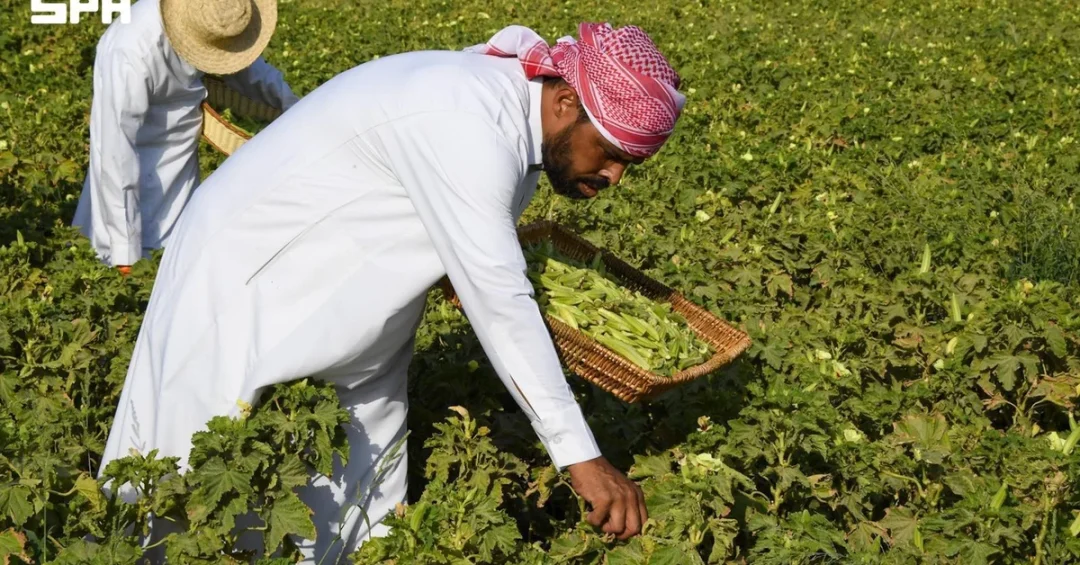
Al-Ahsa’s summer markets are experiencing a surge in demand for locally grown okra, a prized crop known for its small size, tender texture, and rich nutritional value. According to the Saudi Press Agency (SPA), farmers in the region harvest the crop daily to ensure optimal quality, with the summer season proving particularly productive through early August.
Context and Background
Al-Ahsa, a historic oasis region in Saudi Arabia, has long been celebrated for its agricultural output. The area’s fertile land and favorable climate make it ideal for cultivating a variety of crops, including okra, watermelons, tomatoes, figs, limes, and cowpeas. The okra grown here is especially sought after due to its superior quality, which is maintained through meticulous daily harvesting practices.
Key Details
Dr. Mohammed Al-Mouji, a professor at King Faisal University, emphasized the importance of daily harvesting to preserve the okra’s tender texture and light green color. Leaving larger pods on the plant can degrade quality, harden seeds, and slow new growth. Agricultural specialist Abdullah Al-Salem highlighted that the summer harvest, which runs through early August, is the most productive season for okra.
Implications and Impact
The high demand for Al-Ahsa’s okra reflects the region’s reputation for quality produce and contributes to the local economy. This success also underscores Saudi Arabia’s broader efforts to enhance agricultural sustainability and food security, key components of the Kingdom’s Vision 2030 objectives. The global market for high-quality, nutritious produce presents further opportunities for Saudi farmers.
Vision 2030 Alignment
The thriving okra market in Al-Ahsa aligns with Saudi Arabia’s Vision 2030 goals of diversifying the economy and promoting sustainable agriculture. By supporting local farmers and investing in agricultural innovation, the Kingdom is strengthening its food security and positioning itself as a leader in high-quality agricultural production on the global stage.
20 Questions
Q1. What makes Al-Ahsa’s okra unique?
A1. Al-Ahsa’s okra is prized for its small size, tender texture, light green color, and rich nutritional value, making it highly sought after in local and potentially international markets.
Q2. When is the okra harvest season in Al-Ahsa?
A2. The summer harvest season runs through early August, with farmers harvesting daily to maintain the crop’s quality.
Q3. Why is daily harvesting important for okra?
A3. Daily harvesting ensures the okra remains tender and prevents the seeds from hardening, which can degrade quality and slow new growth.
Q4. Who oversees the agricultural practices in Al-Ahsa?
A4. Agricultural specialists like Abdullah Al-Salem and academics such as Dr. Mohammed Al-Mouji from King Faisal University provide expertise and guidance.
Q5. What other crops is Al-Ahsa known for?
A5. Al-Ahsa produces a variety of fruits and vegetables, including watermelons, tomatoes, figs, limes, and cowpeas.
Q6. How does the okra market benefit the local economy?
A6. The high demand for okra supports local farmers, creates jobs, and contributes to the region’s economic growth.
Q7. What role does Vision 2030 play in Saudi agriculture?
A7. Vision 2030 aims to diversify the economy and promote sustainable agriculture, enhancing food security and global competitiveness.
Q8. How does Al-Ahsa’s climate support agriculture?
A8. The region’s fertile land and favorable climate make it ideal for cultivating high-quality crops like okra.
Q9. What are the nutritional benefits of okra?
A9. Okra is rich in vitamins, minerals, and fiber, making it a nutritious addition to diets.
Q10. How do farmers ensure the okra’s quality?
A10. Farmers harvest early in the morning and sort pods daily to maintain the crop’s tender texture and light green color.
Q11. What challenges do okra farmers face?
A11. Challenges include maintaining daily harvesting schedules and ensuring optimal growing conditions to preserve quality.
Q12. How does Al-Ahsa’s okra compare to other regions?
A12. Al-Ahsa’s okra is renowned for its superior quality, attributed to the region’s unique climate and farming practices.
Q13. What is the global market potential for Al-Ahsa’s okra?
A13. The global demand for high-quality, nutritious produce presents significant opportunities for Al-Ahsa’s okra farmers.
Q14. How does Vision 2030 support local farmers?
A14. Vision 2030 invests in agricultural innovation and infrastructure, helping farmers improve productivity and market access.
Q15. What is the historical significance of Al-Ahsa’s agriculture?
A15. Al-Ahsa has been a center of agriculture for centuries, leveraging its oasis environment to cultivate diverse crops.
Q16. How does okra contribute to Saudi Arabia’s food security?
A16. By producing high-quality okra locally, Saudi Arabia reduces reliance on imports and strengthens its food supply chain.
Q17. What are the environmental benefits of local okra production?
A17. Local production reduces transportation emissions and supports sustainable farming practices.
Q18. How can consumers identify high-quality okra?
A18. High-quality okra is small, tender, and light green, with no signs of hardening or discoloration.
Q19. What future developments are expected for Al-Ahsa’s agriculture?
A19. Continued investment in technology and sustainability is expected to enhance productivity and global competitiveness.
Q20. How does Al-Ahsa’s okra reflect Saudi Arabia’s cultural heritage?
A20. The crop represents the region’s long-standing agricultural traditions and commitment to quality, aligning with Saudi Arabia’s cultural and economic goals.
Reader Feedback
We value your thoughts. Please share your feedback on this article.
Your feedback helps us improve our coverage.