


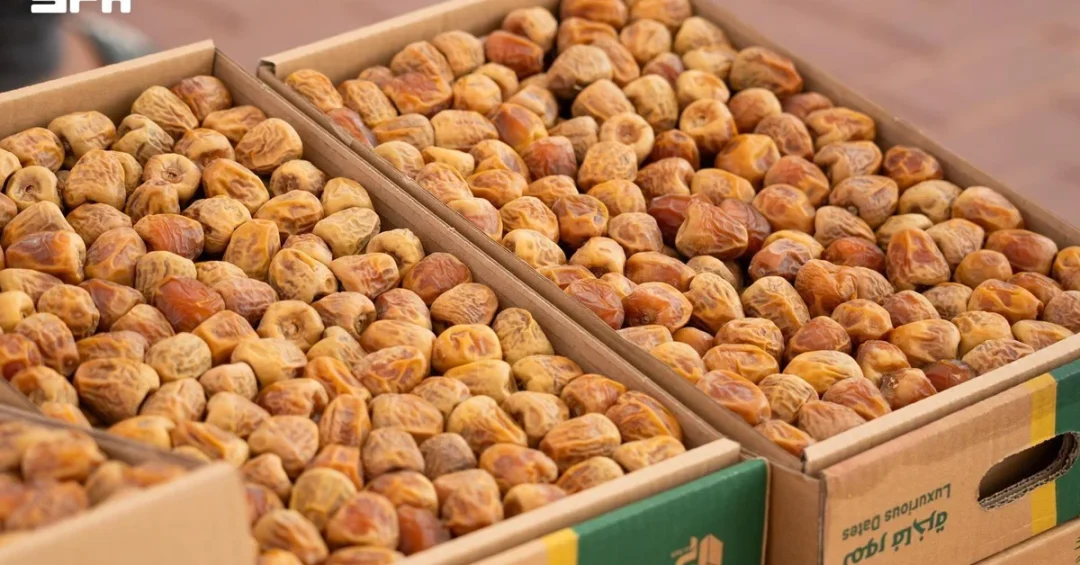
Al-Badayea Dates Market in Qassim Region is experiencing strong commercial momentum, driven by high consumer turnout, diverse date supplies, and active participation from local farmers, marketers, and young entrepreneurs, according to the Saudi Press Agency (SPA). The market, which operates under the seasonal market framework overseen by the National Center for Palms and Dates in cooperation with relevant authorities, aims to improve marketing efficiency, raise service standards, and expand the market reach of premium local produce.
Context and Background
The Al-Badayea Dates Market is part of a broader initiative to modernize Saudi Arabia’s agricultural sector and strengthen its position as a global leader in date production. The Kingdom is one of the world’s largest date producers, with over 30 million palm trees and a rich heritage of date cultivation. The seasonal market framework, coordinated by the National Center for Palms and Dates, is designed to create transparent and efficient trading environments for farmers and buyers, ensuring that the quality of Saudi dates is recognized both domestically and internationally.
This year’s market has seen a notable increase in footfall, with consumers from across the region converging to purchase dates directly from producers. The market features dedicated auction yards and retail zones, showcasing a wide selection of dates led by the signature Sukkari variety. These zones offer consumers diverse options in quality, grading, and packaging at competitive price tiers, catering to a wide range of preferences and budgets.
Key Details
The market is not just a trading hub; it is also a catalyst for local economic activity. Beyond direct agricultural trade, it creates seasonal jobs and supports small, youth-led enterprises specializing in marketing, packaging, and value-added date products. Many young entrepreneurs have set up stalls to sell date-based confections, syrups, and other innovative products, reflecting a growing entrepreneurial spirit in the region. The market serves as a key platform that preserves regional heritage and supports the local economy, aligning with the Kingdom’s Vision 2030 goals of economic diversification and rural development.
Farmers have expressed optimism about the market’s impact on their livelihoods. One local grower noted that the auction system ensures fair pricing and reduces intermediaries, allowing farmers to capture more value from their harvest. The market also provides an opportunity for knowledge exchange, with agricultural experts offering guidance on best practices in date farming and post-harvest handling.
Implications and Impact
The success of the Al-Badayea Dates Market has implications beyond the local economy. It reinforces Saudi Arabia’s commitment to food security and agricultural self-sufficiency, a key pillar of Vision 2030. By enhancing marketing channels and adding value to date products, the market helps reduce food loss and waste, while also promoting healthier dietary choices. Internationally, it showcases the Kingdom’s ability to organize efficient, transparent agricultural markets, which can attract foreign investment and partnerships in the agri-food sector.
Moreover, the market’s focus on youth participation aligns with the national strategy to empower young Saudis as drivers of economic growth. The entrepreneurial opportunities created by the market contribute to job creation and skill development, fostering a culture of innovation and self-reliance. As Saudi Arabia continues to diversify its economy away from oil dependence, initiatives like this are crucial in building a sustainable, knowledge-based economy.
Vision 2030 Alignment
The Al-Badayea Dates Market is a tangible example of Vision 2030 in action, demonstrating how traditional industries can be modernized to drive economic growth and social progress. The market’s success underscores the Kingdom’s dedication to developing its agricultural sector, enhancing rural livelihoods, and promoting the consumption of healthy, locally produced foods. As the market continues to expand, it is expected to become a model for other regions, further strengthening Saudi Arabia’s position as a leading date producer and exporter. Through such initiatives, the Kingdom is not only preserving its cultural heritage but also building a prosperous future aligned with the goals of Vision 2030.
20 Questions
Q1. What is the Al-Badayea Dates Market?
A1. The Al-Badayea Dates Market is a seasonal trading hub in Qassim Region, Saudi Arabia, where dates are bought and sold. It is organized under the framework of the National Center for Palms and Dates to enhance marketing efficiency and support local farmers.
Q2. Who oversees the Al-Badayea Dates Market?
A2. The market is overseen by the National Center for Palms and Dates, in cooperation with relevant authorities. This ensures that the market operates efficiently and meets high standards of service and quality.
Q3. What is the main purpose of the market?
A3. The main purpose is to improve marketing efficiency, raise service standards, and expand the market reach of premium local produce, particularly dates, by providing a dedicated platform for trade.
Q4. Which date variety is highlighted at the market?
A4. The signature Sukkari variety is prominently featured, though the market offers a wide selection of date types. This variety is known for its sweet taste and is highly sought after both locally and internationally.
Q5. What facilities does the market offer?
A5. The market includes dedicated auction yards and retail zones, where consumers can find dates in various quality grades, packaging options, and competitive prices, ensuring a diverse shopping experience.
Q6. How does the market benefit local farmers?
A6. Farmers benefit from direct access to buyers, fair pricing through auctions, and reduced reliance on intermediaries. This helps them capture more value from their harvest and improves their income.
Q7. What role do young entrepreneurs play?
A7. Young entrepreneurs are actively involved in marketing, packaging, and creating value-added date products. They set up stalls to sell innovative items, contributing to the local economy and fostering a culture of entrepreneurship.
Q8. How does the market create jobs?
A8. The market creates seasonal employment opportunities in areas such as sorting, packaging, logistics, and retail. Additionally, it supports permanent jobs for those running businesses around date processing and sales.
Q9. What is the significance of the Sukkari date?
A9. The Sukkari date is a premium variety known for its high sugar content and soft texture. It is a favorite among consumers and commands a good price, making it a key product for the market.
Q10. How does the market contribute to Vision 2030?
A10. The market supports Vision 2030 by diversifying the economy, promoting sustainable agriculture, and empowering youth. It helps strengthen the agricultural sector, which is a key focus area for the Kingdom’s long-term development.
Q11. What is the role of the National Center for Palms and Dates?
A11. The National Center for Palms and Dates oversees the seasonal market framework, ensuring that markets like Al-Badayea operate efficiently and align with national agricultural policies. It also provides guidance and support to farmers.
Q12. Are there any environmental benefits?
A12. Yes, the market reduces food waste by facilitating efficient trade and encouraging value addition. It also promotes the cultivation of date palms, which are well-suited to arid climates and require minimal water, supporting sustainable farming.
Q13. How does the market preserve heritage?
A13. The market preserves the heritage of date cultivation and trade, which has been a cornerstone of Saudi culture for centuries. It provides a venue for traditional practices to continue while adapting to modern market needs.
Q14. What types of value-added products are available?
A14. Value-added products include date-based confections, syrups, pastes, and even cosmetic items. These products offer higher margins and cater to diverse consumer preferences, boosting the local economy.
Q15. How is the market promoted?
A15. The market is promoted through local advertising, social media, and partnerships with tourism authorities. It attracts visitors from across the region, including those interested in cultural and agricultural experiences.
Q16. What is the expected growth of the market?
A16. The market is expected to grow as demand for high-quality dates increases both domestically and internationally. With government support and innovation, it is poised to expand its operations and product offerings.
Q17. How does the market improve consumer access?
A17. By offering a wide range of dates in one location, consumers can easily compare quality and prices. The market also provides information about different date varieties, enhancing consumer knowledge.
Q18. Are there opportunities for international buyers?
A18. Yes, international buyers are welcome to visit the market and source dates directly. The market’s efficient operations and quality assurance make it an attractive destination for exporters.
Q19. What challenges does the market face?
A19. The market may face challenges such as fluctuating weather conditions affecting yields and competition from other regions. However, ongoing investment and innovation help mitigate these risks.
Q20. How can visitors participate?
A20. Visitors can attend the market during its seasonal operation, explore the retail zones, participate in auctions, and engage with farmers. The market offers a unique cultural and culinary experience.
Reader Feedback
We value your thoughts. Please share your feedback on this article.
Your feedback helps us improve our coverage.