


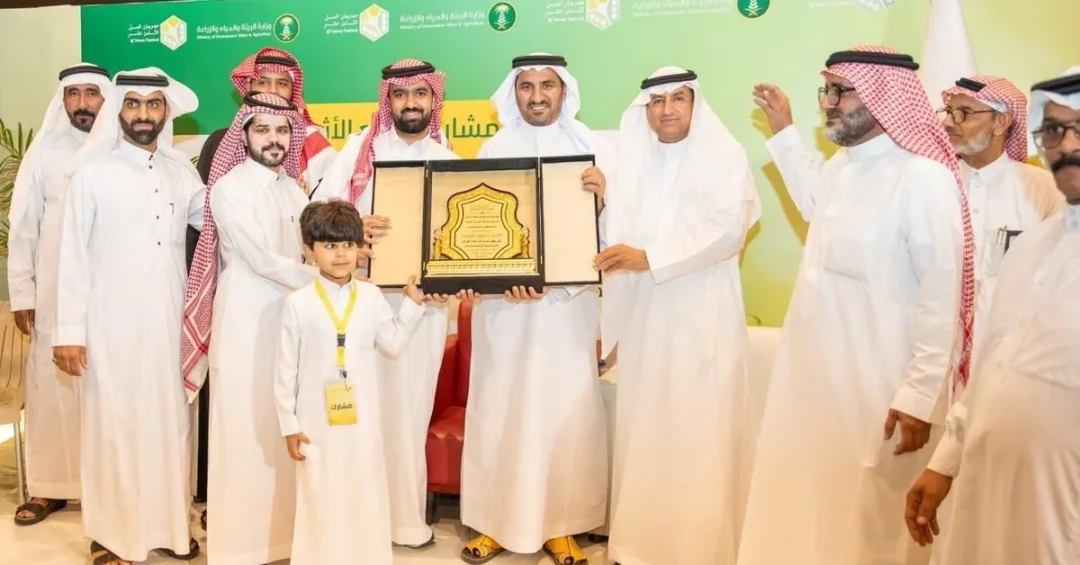
The 18th Honey Festival in Al-Baha concluded with resounding success, drawing nearly 100,000 visitors and featuring 45 beekeepers who displayed approximately 30 tons of premium honey and bee products, according to the Saudi Press Agency. Organized with broad participation from government and private entities, the festival underscored the Al-Baha region’s growing stature as a premier hub for honey production in the Kingdom of Saudi Arabia and highlighted the vital role of the agricultural sector in advancing national economic diversification.
Context and Background
The Al-Baha Honey Festival, now in its eighteenth edition, has firmly established itself as one of the most anticipated agricultural events in the Kingdom. Situated in the fertile highlands of southwestern Saudi Arabia, Al-Baha is renowned for its distinctive flora, which produces some of the finest and most sought-after honey varieties in the region. The festival serves as a strategic platform that brings together beekeepers, producers, government agencies, and consumers, creating a dynamic marketplace that celebrates local heritage while driving modern agricultural commerce.
His Excellency Engineer Fahd bin Muftah Al-Zahrani, Director General of the Ministry of Environment, Water and Agriculture branch in Al-Baha, emphasized that the festival is a cornerstone for supporting beekeepers and promoting national products. He noted that the substantial success of this edition reflects the ongoing efforts to develop the agricultural sector in line with the objectives of Saudi Vision 2030.
Key Details
The festival attracted approximately 100,000 visitors, a testament to its growing popularity and the public’s increasing appreciation for high-quality Saudi honey. A total of 45 beekeepers participated, collectively presenting nearly 30 tons of honey and related bee products, including royal jelly, beeswax, and propolis. The event also featured accompanying activities designed to shed light on the honey industry, showcasing the quality and diversity of the region’s products and providing a vital platform for beekeepers to market their goods and strengthen the presence of national products in domestic markets.
During the closing ceremony, the organizing committee honored participating and supporting entities for their contributions to the festival’s success and their efforts to enhance partnerships aimed at developing this crucial sector. The recognition reflects the collaborative spirit between the public and private sectors that underpins the event’s continued growth.
Implications and Impact
The success of the Al-Baha Honey Festival carries significant implications for Saudi Arabia’s agricultural economy and rural development. By providing beekeepers with direct access to consumers and facilitating networking opportunities, the festival empowers small-scale producers and stimulates local economic activity. Moreover, the event raises awareness about the importance of bees in maintaining ecological balance and supporting food security, aligning with global environmental priorities. On a regional level, the festival reinforces Al-Baha’s position as a destination for agritourism, attracting visitors from across the Kingdom and beyond, thereby contributing to the diversification of the tourism sector.
Internationally, the growing reputation of Saudi honey, particularly the world-famous Sidr honey from Al-Baha, positions the Kingdom as a competitor in premium honey markets. This enhances export potential and showcases Saudi Arabia’s commitment to producing high-value agricultural goods that meet stringent quality standards.
Vision 2030 Alignment
The 18th Honey Festival exemplifies the Kingdom’s broader strategy under Saudi Vision 2030 to diversify the economy away from oil dependency, empower local communities, and promote sustainable agricultural practices. By investing in events that highlight regional specialties and support small and medium enterprises, Saudi Arabia is fostering a resilient and inclusive economy. The festival not only celebrates a treasured natural resource but also serves as a catalyst for innovation, entrepreneurship, and international recognition, further solidifying the Kingdom’s role as a leader in agricultural excellence and cultural heritage preservation.
20 Questions
Q1. Where was the 18th Honey Festival held?
A1. The festival was held in the Al-Baha region of Saudi Arabia, an area renowned for its high-quality honey production and favorable natural environment.
Q2. How many beekeepers participated in the festival?
A2. A total of 45 beekeepers participated, showcasing their products and contributing to the vibrant atmosphere of the event.
Q3. How much honey was displayed at the festival?
A3. Approximately 30 tons of honey and bee products were displayed, reflecting the rich output of the region’s beekeeping industry.
Q4. How many visitors attended the festival?
A4. The festival attracted nearly 100,000 visitors, demonstrating its wide appeal and the public’s strong interest in Saudi honey.
Q5. Who is the Director General of the Ministry of Environment, Water and Agriculture branch in Al-Baha?
A5. Engineer Fahd bin Muftah Al-Zahrani serves as the Director General, and he highlighted the festival’s role in supporting beekeepers and national products.
Q6. What is the significance of the Al-Baha Honey Festival?
A6. It serves as a key platform for promoting local honey, supporting beekeepers, and advancing agricultural development in line with Saudi Vision 2030.
Q7. What types of bee products were showcased?
A7. The festival featured various bee products, including honey, royal jelly, beeswax, and propolis, highlighting the diversity of the industry.
Q8. How does the festival support Saudi Vision 2030?
A8. It contributes to economic diversification, empowers small businesses, and promotes sustainable agriculture, all of which are core objectives of Vision 2030.
Q9. What accompanying activities took place at the festival?
A9. The festival included activities designed to educate the public about the honey industry, showcase product quality, and provide marketing opportunities for beekeepers.
Q10. Who was honored at the closing ceremony?
A10. Participating and supporting entities were honored for their contributions to the festival’s success and their role in enhancing sector partnerships.
Q11. Why is Al-Baha famous for honey?
A11. Al-Baha’s unique geography, climate, and flora, particularly the Sidr tree, produce some of the finest and most sought-after honey varieties in the world.
Q12. What is the economic impact of the festival?
A12. The festival stimulates local economic activity, supports small-scale producers, and promotes agritourism, contributing to rural development and economic diversification.
Q13. How does the festival promote national products?
A13. It provides a platform for beekeepers to market their products directly to consumers, raising awareness and strengthening the presence of Saudi honey in the market.
Q14. What role does the Ministry of Environment, Water and Agriculture play?
A14. The Ministry supports the festival and the beekeeping sector through regulatory oversight, development initiatives, and promotion of sustainable agricultural practices.
Q15. How many editions of the Honey Festival have been held?
A15. The 18th edition was recently concluded, indicating a long-standing tradition of celebrating honey production in the Al-Baha region.
Q16. What are the international implications of the festival?
A16. The festival enhances the reputation of Saudi honey globally, potentially boosting exports and positioning the Kingdom as a producer of premium agricultural goods.
Q17. How does the festival contribute to food security?
A17. By supporting beekeepers and promoting pollination, the festival indirectly aids in maintaining biodiversity and agricultural productivity, which are essential for food security.
Q18. What is the significance of the Sidr honey from Al-Baha?
A18. Sidr honey is highly prized for its exceptional quality, distinctive flavor, and potential health benefits, making it a flagship product of the region.
Q19. How does the festival empower local communities?
A19. It provides economic opportunities for beekeepers and related businesses, fosters skill development, and strengthens community pride in local heritage.
Q20. What can be expected for future editions of the festival?
A20. Future editions are likely to build on this success, further expanding participation, innovation, and international recognition, supporting the goals of Vision 2030.
Reader Feedback
We value your thoughts. Please share your feedback on this article.
Your feedback helps us improve our coverage.